Brexit 10 Years On: Unfulfilled Promises, Performance, and Public Reappraisal
In 2016, citizens of Great Britain voted to withdraw from the European Union, taking an unprecedented step for the
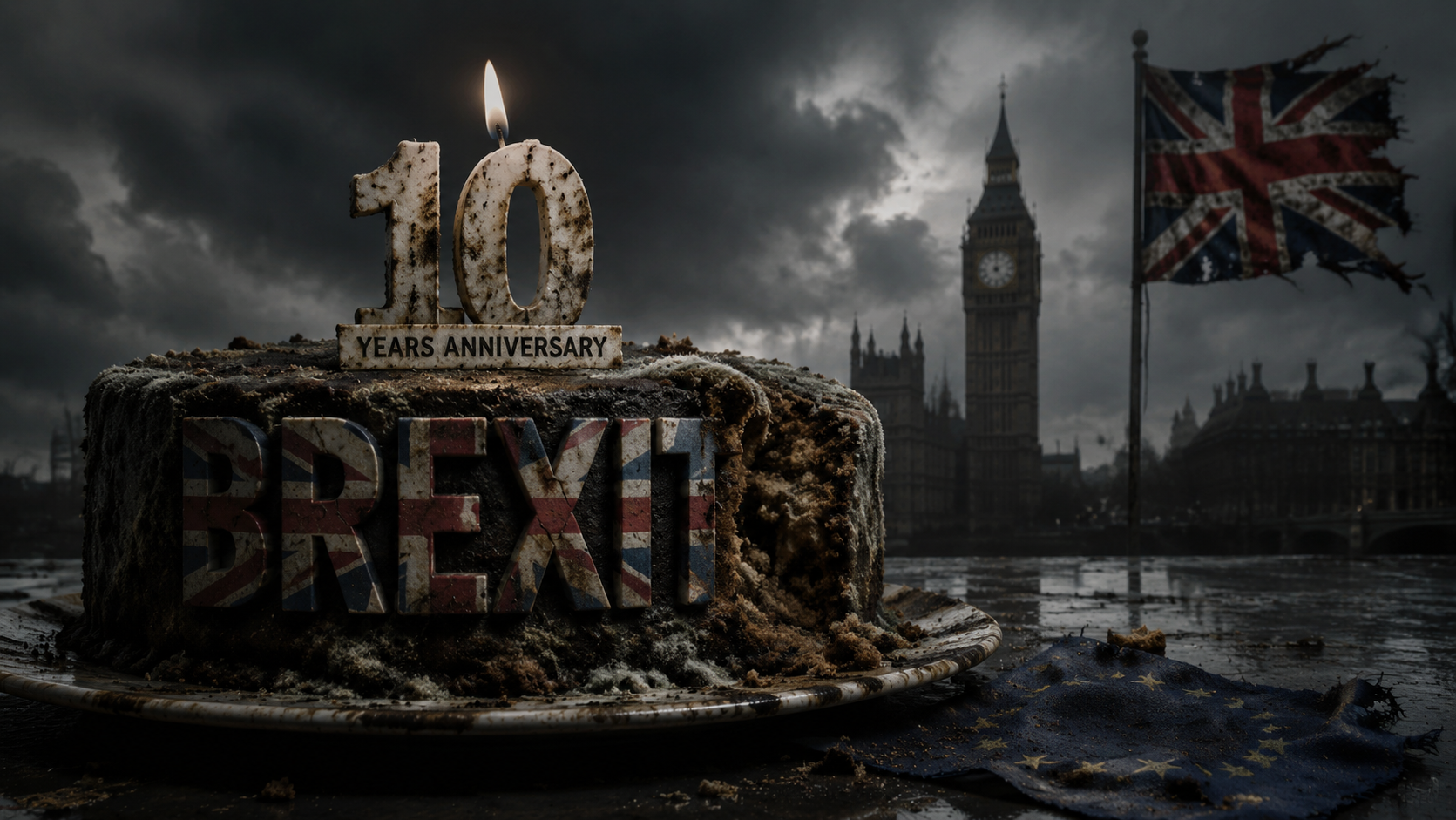
In 2016, citizens of Great Britain voted to withdraw from the European Union, taking an unprecedented step for the nation. People who backed Brexit believed that it would help achieve greater sovereignty of the nation, improve public welfare, and gain better control of immigration. Ten years later, citizens are pondering the outcomes of the move, asking themselves if all the promises made have been fulfilled. The question of how Britain has changed because of leaving the EU remains relevant, considering that the influence of Brexit can be seen even after ten years.
Promises and Expectations before Brexit
A few main promises were put forward in the Brexit campaign. Those who voted for the exit were assured that leaving the EU would help restore Britain’s sovereignty when it comes to controlling laws, borders, and finances. Among some of the best-known promises was one that promised more money to the National Health Service than that going to the EU.
Campaigners also argued that leaving the EU would improve border security. They believed this would reduce migration and create better opportunities for British citizens. These arguments were compelling to voters because they did not see themselves represented by politicians and thought that major decisions should be made in London, not in Brussels.
Performance Since Departure from the EU
The economic performance of the country has become one of the biggest issues associated with Brexit. According to various studies, the country’s economic performance has been below expectations after it departed from the European Union. Businesses had difficulties in making investments due to uncertain conditions regarding trading relationships and markets.
Moreover, businesses reported the occurrence of increased costs related to their operations and trade within Europe due to newly introduced regulations and procedures. Some industries adapted well to the new conditions and continued to operate effectively. However, others struggled to maintain the same level of performance they had achieved before Brexit. Despite the fact that the economy kept growing even after Brexit, many experts believe that economic growth could have been higher otherwise, which remains a key concern in discussions about Brexit 10 years on.
Trade and Investment Issues
Brexit is an issue that received quite a number of strong points for discussion from both sides: the proponents and opponents. The proponents viewed it from the perspective of giving freedom to trade with other nations outside the EU through different trade deals. It is notable that since leaving the EU, there have been a number of international deals concluded by the British Government.
Nevertheless, trade with Europe is very important since the EU continues to be Britain’s biggest trading partner. There are numerous reports on how companies are having trouble with the new processes in the country. In this case, small and medium companies find themselves in a disadvantaged position compared to bigger companies. In terms of investment issues, some reports show that business investments have not met expectations. The OBR estimated that Brexit has reduced UK long-term productivity by around 4 percent compared to pre-Brexit forecasts.
Immigration: An Unexpected Turn of Events
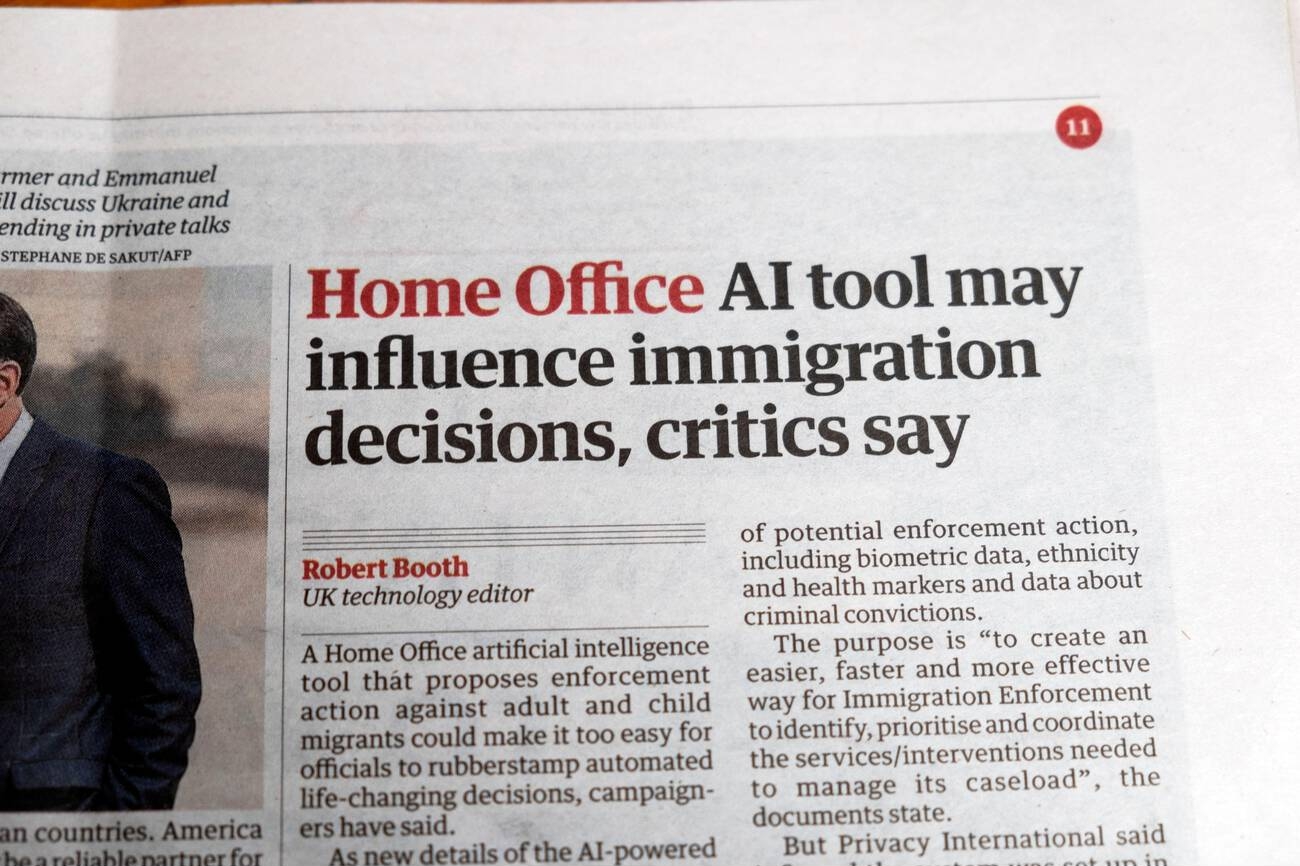
One of the major issues discussed during the referendum was immigration. A lot of people who voted for Brexit assumed that immigration levels would drop once the country left the European Union. But the real situation has turned out differently. Indeed, immigration from EU countries decreased after Brexit because of some amendments made to the freedom of movement policy.
Nevertheless, there has been an increase in immigration from non-European countries due to the demand for new workers to cover the workforce shortage in various sectors. It is clear that, despite some predictions of the opponents of Brexit, immigration levels have not decreased but have become different. Net migration to the UK remained above 700,000 people in recent years, despite post-Brexit immigration reforms.
National Health Service and Pressure on Staffing
It is known that healthcare was crucial during the period of campaigning for the referendum. People expected that quitting the EU would allow allocating additional funds for the National Health Service. However, even ten years later, the NHS is still struggling with numerous problems. One of the largest issues related to the NHS is staff shortages.
Some of the European medical workers left the country due to Brexit, and at the same time, the increase in demand for NHS services put hospitals under pressure. It still has long queues, which affect many citizens. Another source of pressure for the NHS includes its struggle with population growth and the cost-of-living crisis. The government provided additional funding in some areas. However, many healthcare experts believe that the NHS still faces numerous difficulties.
Brexit 10 Years on and Changing Public Opinion
There have been noticeable shifts in public sentiments shifts in public sentiments related to Brexit 10 years on since the initial decision was made. Many voters view the effects of Brexit negatively. They believe it has harmed the economy, trade, and public services. Some people supported leaving the European Union in 2016. Today, they feel disappointed with the results of Brexit. The sentiment is also shifting among generational differences.
Young people generally view cooperation with Europe more positively than older generations. They often support closer ties with European countries. These youths were unable to vote in 2016 but are now active participants in political debates. It is important to note that this change in sentiment does not mean there is a desire for immediate EU membership.
Effects of Brexit and Emerging Political Problems
Brexit had reshaped Britain’s politics. For many years, it had been a dominant topic for election campaigns, parliamentary debates, and intra-party rivalry. Additionally, the issue had caused rifts among major political parties. However, some new political problems have appeared now. Political parties like Reform UK have become popular due to dissatisfaction among citizens regarding the established political system. These developments have arisen because people are concerned about immigration, the economy, and other matters related to their identities.
Meanwhile, traditional political parties still have to address voters’ needs in terms of solving their practical problems. Housing, healthcare, and economic prosperity have taken precedence over any other issues, even if they are constitutional. However, many political problems have originated in the previous decade.
Is There Any Chance of Rejoining the EU for Britain?
In view of shifting public opinion on the matter, some analysts have started speculating about a potential relationship between Britain and the EU. It is known from polls that more citizens tend to favor closer ties with European bodies. Some have even expressed interest in joining the EU one day. Nevertheless, rejoining the EU is not an easy task. Britain would need to meet many requirements and negotiate with EU officials before rejoining the European Union.
Moreover, public approval of the project must continue for several years. Experts do not expect Britain to join the EU anytime soon. Instead, Britain might seek better trade agreements and cooperation in certain fields.
Brexit Anniversary 2026: Lessons from a Decade
Ten years after the referendum, the Brexit case provides valuable lessons regarding political decisions and people’s expectations. Political programs often produce unexpected results. Economic systems, labor markets, and international relationships change gradually, so policymakers cannot transform them overnight. In addition, the case demonstrates how essential long-term planning is. Some problems of the Brexit case evolved slowly over the course of several years, but not immediately after leaving the EU. In general, for many people, the Brexit 10th anniversary is an occasion to reconsider the successes and failures of the process.
A Decade of Contemplation and Uncertainty
As the Brexit 10 years on anniversary approaches, many observers view it as an important turning point in contemporary British history. They see it as a chance to evaluate the long-term effects of the referendum. A decade after the referendum, many people still debate the promises that campaigners made during the Brexit campaign. Different groups continue to disagree about whether politicians fulfilled those promises.
The country experiences difficulties in sustaining economic development; migration flows have changed but have not been terminated; and pressure on the country’s social services persists. Meanwhile, people’s opinions have changed as a result of the emergence of new generations within the political process and their reevaluation of relations between Britain and Europe. The Brexit anniversary in 2026 occurs when Britain is still seeking solutions regarding its future policy.