New IRA Threats: The Problem of Northern Ireland’s Security for Britain
Once again, Northern Ireland’s security has taken center stage as a pressing concern for the UK. While the old
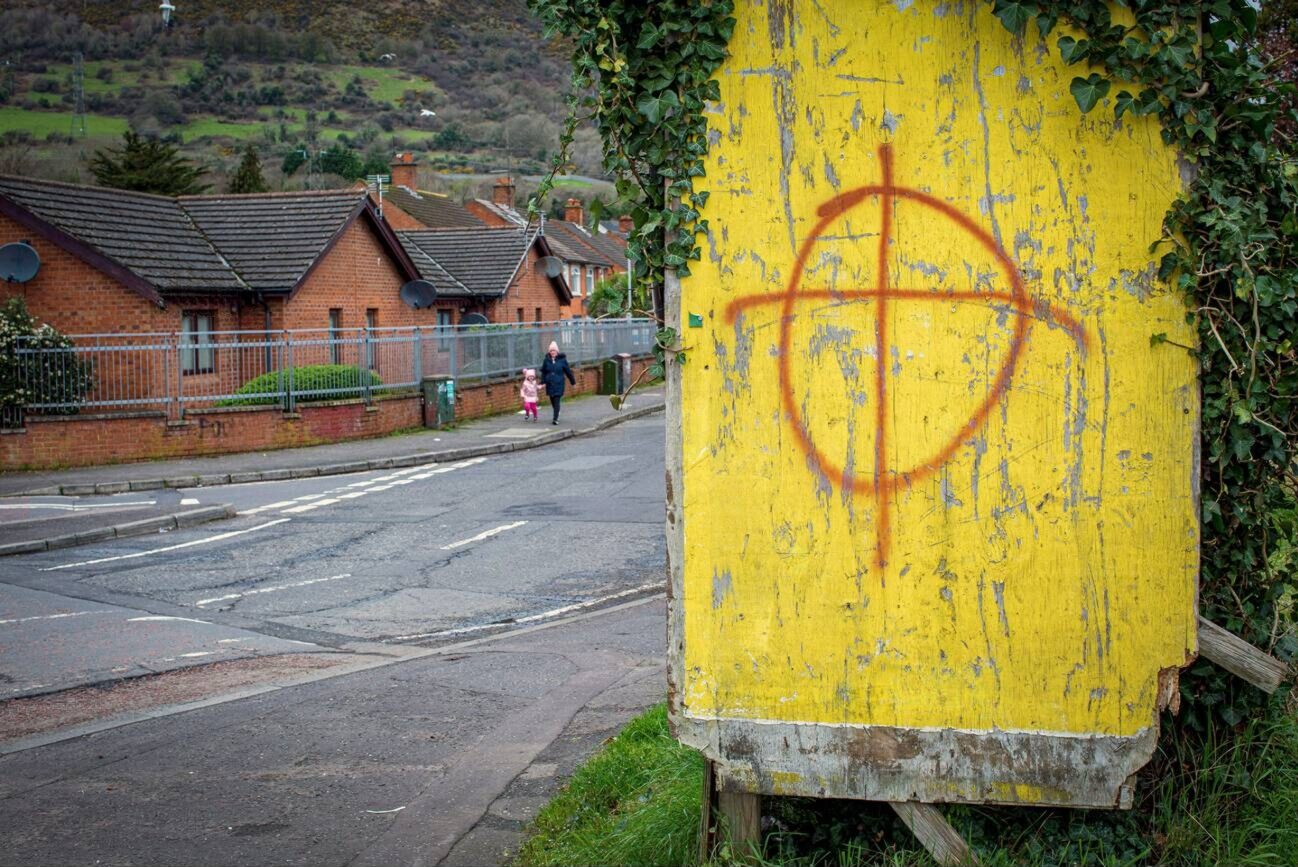
Once again, Northern Ireland’s security has taken center stage as a pressing concern for the UK. While the old IRA from the Troubles era is long gone, several dissident republican factions remain—and among them, the New IRA is increasingly catching the attention of security services on both sides of the Irish Sea. With recent reports of bomb finds and active recruitment efforts, it’s clear that the group isn’t just posturing. They may not have the widespread support they once commanded, but they still pose a real risk—particularly to police officers, security personnel, and public infrastructure. This article takes a closer look at the new IRA threats and what they mean for Northern Ireland today.
Changes in IRA, not Disappearance
For many people, the IRA has been associated with the conflict referred to as the Troubles, which continued for about three decades until the signing of the Good Friday Agreement in 1998. The agreement brought down the level of violence and helped most republican groups give up on the idea of fighting using armed groups.
Not all groups were satisfied with this outcome, and some republican groups disagreed with the political solution and continued to use violence to achieve their goal of removing British rule from Northern Ireland. The largest of these was the New IRA, formed by the merger of several republican groups.
Why the Security Services Continue to Be Alarmed
In assessing threats, the British intelligence services do not rely exclusively on the size of the group but also on its intentions, capabilities, and ability to use weapons. Current investigations reveal that the dissident republicans continue to have explosives, guns, and trained members who can plan the attacks.
Moreover, there have been reports of recruiting young members through local networks and electronic communication. The last two years saw the discovery of explosive material prior to an attack being executed in several operations by the police. This shows that the threats from the New IRA are operational, not just ideological. Many security experts believe New IRA threats will remain a long-term concern for Britain.
New IRA Threats and Political Divisions in Northern Ireland
The prevailing political division in Northern Ireland serves as an arena where extremist groups try to make the best use of it. Issues of national identity, constitutional position, the Brexit deal, and relations with the Republic of Ireland remain dividing factors among some sections of society.
Moments of political stalemate or political crisis present an opportunity for extremist groups to declare the failure of peaceful politics. Dissident republican groups always tend to capitalize on such a narrative to explain why they exist.
While nationalist communities strongly oppose violence, security experts believe that the political issues that remain unresolved still serve as an opportunity for such extremist organizations to propagate their ideologies. Political instability can make New IRA threats more difficult to contain.
New IRA Threats and the UK’s Long-Term Security Approach
The UK government has made huge investments in efforts to avoid a renewal of widespread violence in Northern Ireland. Intelligence work, monitoring, and collaboration with the Irish government will remain integral parts of such a strategy. Both the PSNI and MI5 continue to monitor dissident republican groups closely.
They know that even small attacks can create political tension and undermine public confidence. The British government understands that protecting Northern Ireland requires more than preventing individual bombing attacks. It must also preserve political stability and prevent extremist groups from gaining new support. The government has to ensure the stability of the peace process and avoid giving extremists opportunities to recruit new members.
Limitations of Dissident Republican Groups
Even with the continuing security threats, there is a stark difference between the current situation and the era of the Troubles. While the Provisional IRA was at one point in time made up of thousands of members, had many resources, and enjoyed widespread support among some sections of the nationalist population, the circumstances for dissident republicans today are far from that.
They have fewer members, poor organizational capabilities, and less legitimacy. Most political parties representing Irish nationalists have embraced democracy and peaceful political processes rather than violence.
Security analysts contend that they are incapable of mounting any sustained fight on the lines of that in the past. Despite this limitation, they continue to pose security threats. Even with fewer resources, New IRA threats continue to demand close attention from British security agencies.
Political Complacency
Perhaps one of the biggest risks will come from political complacency rather than military power. History shows that even small extremist organizations can exploit periods of political instability, economic hardship, and institutional crisis.
They often use these conditions to expand their influence and justify violent activities. Northern Ireland has been dealing with political disputes over constitutional matters, identity, and political compromises. If political tensions continue to grow, some extremist groups may try to present violence as an alternative to democratic politics.
They often use periods of uncertainty to promote that message and attract new supporters. Security experts have argued that there needs to be sustained investment in both policing and political stability.
Cooperation between London and Dublin
The security cooperation between Britain and the Republic of Ireland has emerged as one of the major accomplishments of the era following the Good Friday Agreement. Security agencies have strengthened intelligence sharing, joint investigations, and police cooperation in recent years. These efforts have prevented several planned attacks before they could take place.
Security officials in both Britain and Ireland recognize that dissident republican groups operate across the border. They believe close cooperation is essential to respond effectively to these activities. Such cooperation has greatly limited the operational space of the extremist groups over the past two decades.
However, security organizations continue to caution that determined people can still mount attacks on their own wherever they find opportunities. Close cooperation remains one of the most effective ways to reduce New IRA threats.
The Significance of Stopping Radicals in the Future
Security efforts alone will not stop extremist violence. In addition, governments will require longer-term political and social policies to reduce the environment in which radicals operate. Better education, more job opportunities, and stronger community engagement have helped preserve peace since the Good Friday Agreement.
These efforts have reduced support for violent groups and strengthened local stability. Local political leaders have consistently claimed that having strong institutions is much better at reducing violence than relying solely on security measures. Simultaneously, security agencies must be ready to act at a moment’s notice upon detecting any serious threat.
For that reason, many people think that Britain needs both policing and political discussions to decrease the risks of the New IRA. At the same time, New IRA threats require constant monitoring and long-term political commitment.
Political Sensitivity Surrounding Northern Ireland Persists
Northern Ireland still retains its unique position within the political system of the United Kingdom. Questions about sovereignty, identity, and constitutional status still divide political opinion in Northern Ireland.
Despite years of relative peace, many of these issues remain unresolved. Extremist organizations use these unresolved issues to justify the continued use of violence.
However, the vast majority of people reject that argument and continue to support peaceful political solutions.IRA threats represent more than a security challenge. They also remind policymakers that maintaining political stability requires constant attention and long-term commitment.
Peace Is an Ongoing Process
It is almost certain that major conflicts will not erupt again in Northern Ireland; however, that doesn’t mean that the security problem has been solved. The dissident republican movements lack the financial, political, and organizational means the Provisional IRA had.
Nonetheless, they demonstrate their capacity to organize sporadic attacks, enlist supporters, and capitalize on periods of political instability. Hence, the threat from the New IRA should be seen as an ongoing security problem rather than a historical one. New IRA threats will continue to test Britain’s security strategy in the years ahead.
British authorities have reduced the operational capacity of these groups through intelligence cooperation and effective policing. However, lasting peace will also depend on strong political leadership and continued trust within local communities. The experience of Northern Ireland reveals that peace can never be ensured through security measures alone.