UK’s cost of living crisis and foreign policy: A Dilemma for Burnham
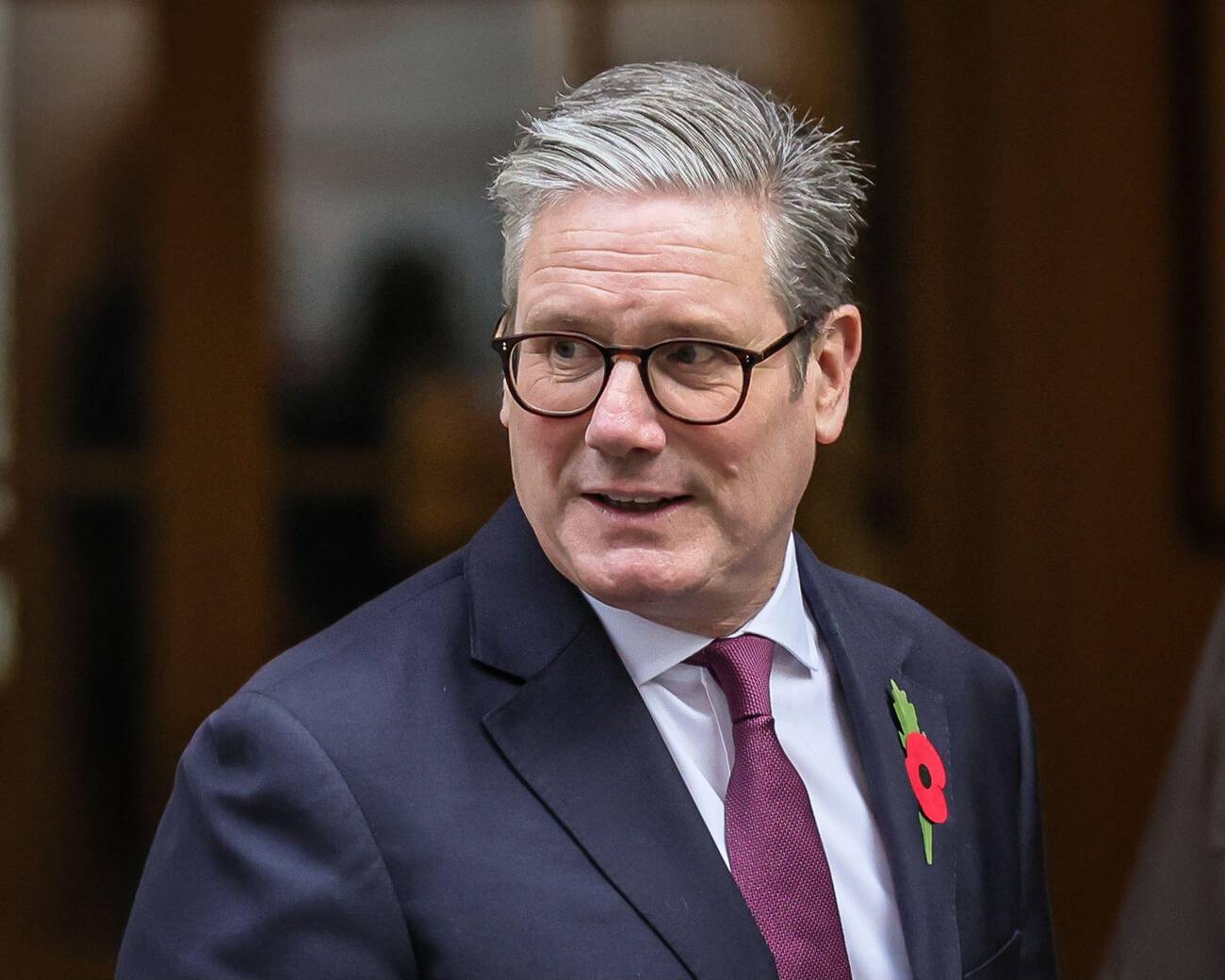
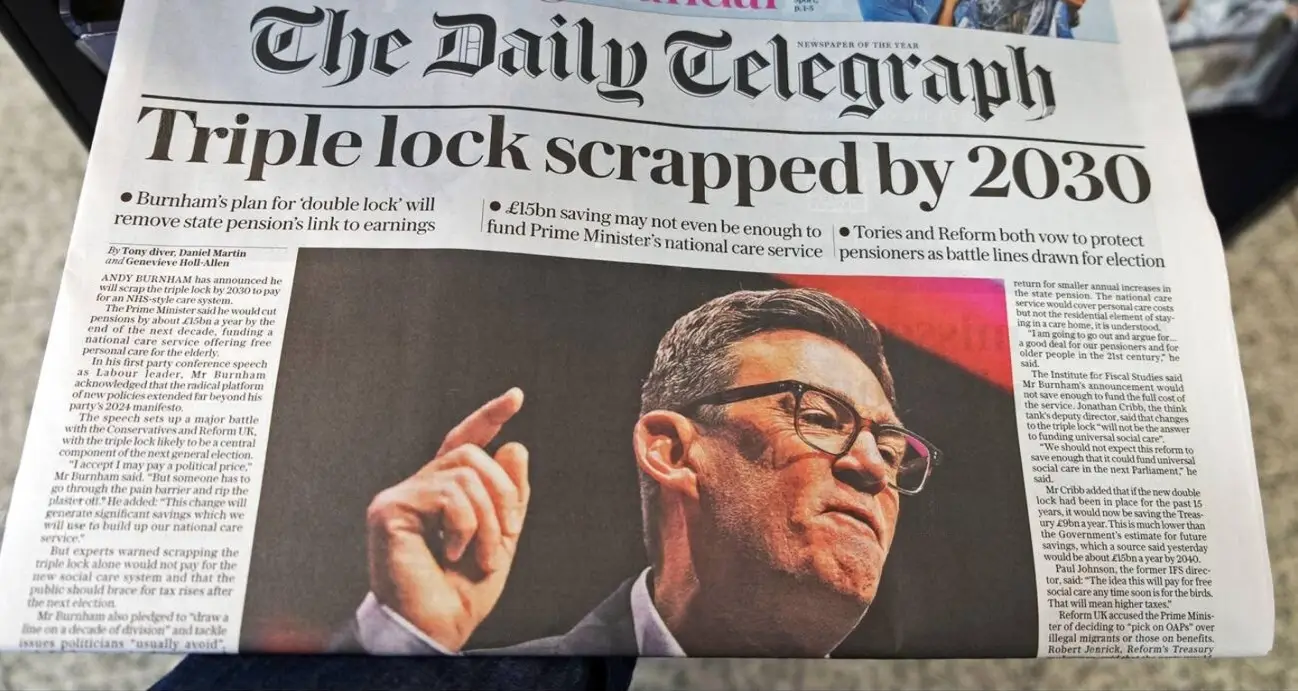
Andrew Burnham is prioritizing the cost of living in the agenda of his government. As part of his nationwide

Andrew Burnham is prioritizing the cost of living in the agenda of his government. As part of his nationwide tour, Burnham wants to listen to the concerns of those who are struggling with high bills and expenses. He is undertaking the tour to examine the cost-of-living crisis, while the country’s participation in the illegal war against Iran is one of the main factors worsening current costs. The current involvement of Iran in global politics impacts energy markets and economic expectations in different ways.
The trade unions connected the events with increased household expenses and demanded that Burnham exert diplomatic pressure on Donald Trump for de-escalation. This brings forward a complex dilemma for the new prime minister. How is it possible to ensure Britain’s international interests amid household economic strain? This article examines the UK’s cost of living crisis and foreign policy, focusing on how Britain’s foreign policy choices can affect household economic pressure.
Cost of Living Tour by Burnham
There is a very evident political motive behind Burnham’s choice of traveling around Britain. He wants to listen to the difficulties people have to deal with in everyday life. In addition, the government has already declared some actions that are to be taken in order to reduce the expenses of households.
Among these are a VAT reduction on electricity and capping of bus fares at £2. Furthermore, Burnham has pledged to take broader steps to fight business exploitation. It is important because international relations have created new challenges for the British economy, as higher prices for energy influence transport, food production, and household expenses.
When Foreign Policy Impacts Your Household Budget
The economic consequences of the conflict can affect British households almost instantly. Energy prices change based on the risk of disruption in the supply chain and transportation channels. The ongoing conflict with Iran has generated these fears. The blockage of strategic energy routes following Middle East tensions has inflicted an devastating blow on the UK’s energy security.
According to The Guardian, the prices of oil have risen considerably during the conflict, and there are warnings of further stress on British households due to the conflict. This connection is made even more evident by trade unions. The ten leading trade unions notified Burnham about the increased pressure on energy and food prices due to the conflict.
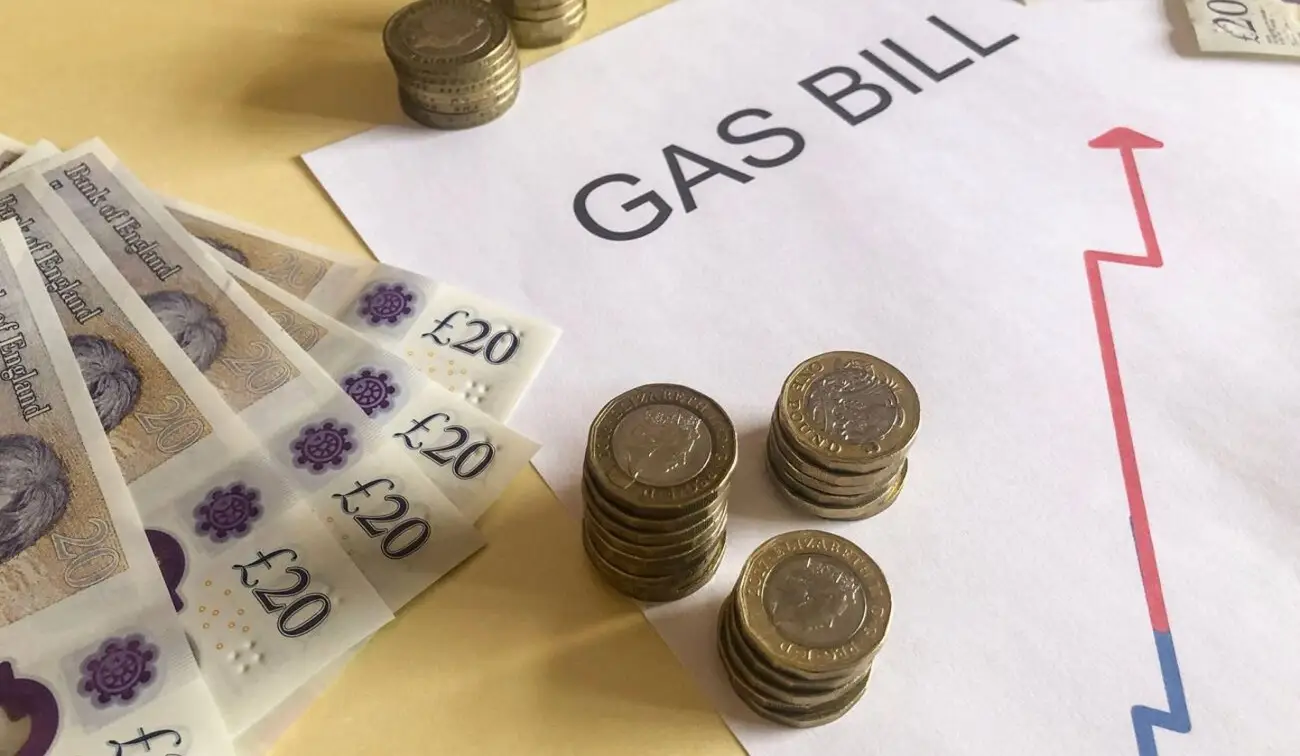
They estimated the impact on the average household budget at an extra £221 in energy prices and the rise in food prices up to £32.80 per month. These numbers came from the unions’ assessment of the situation rather than any governmental prediction.
British Military Base Controversy
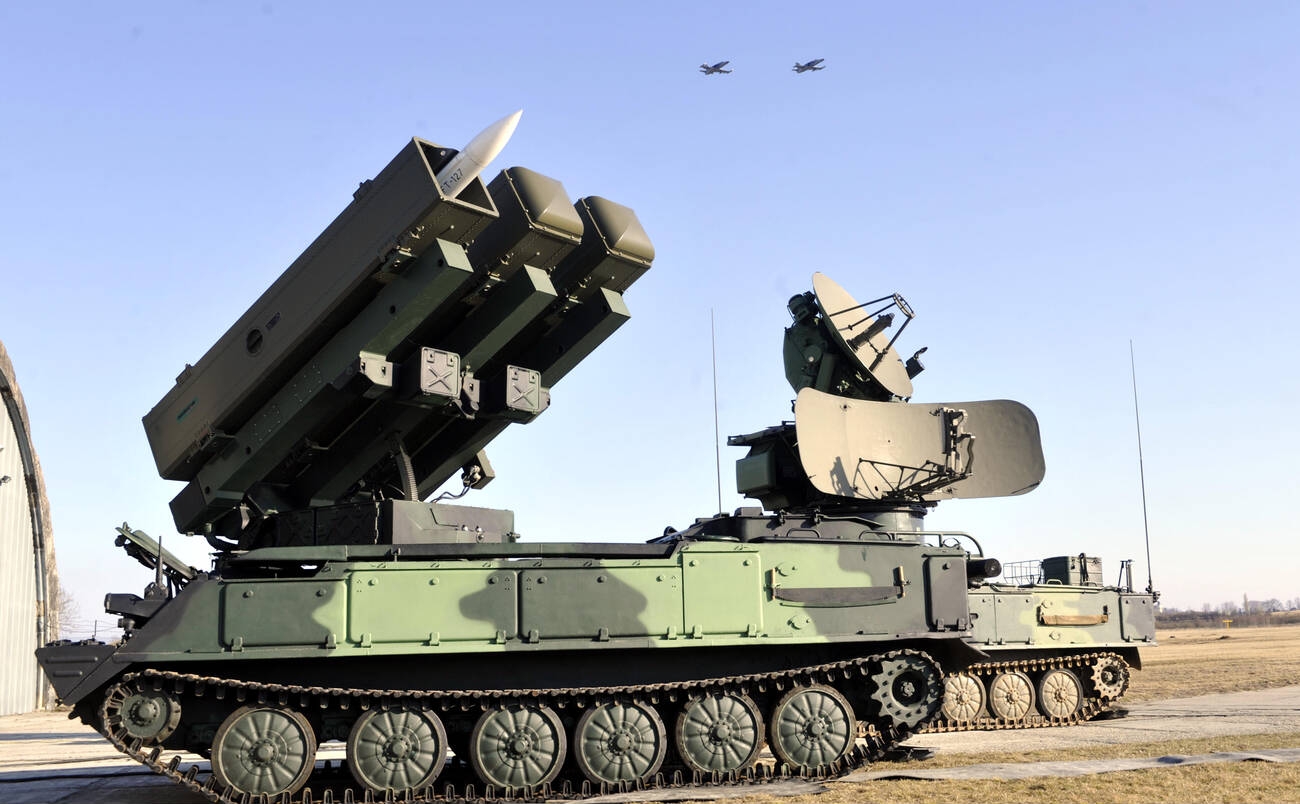
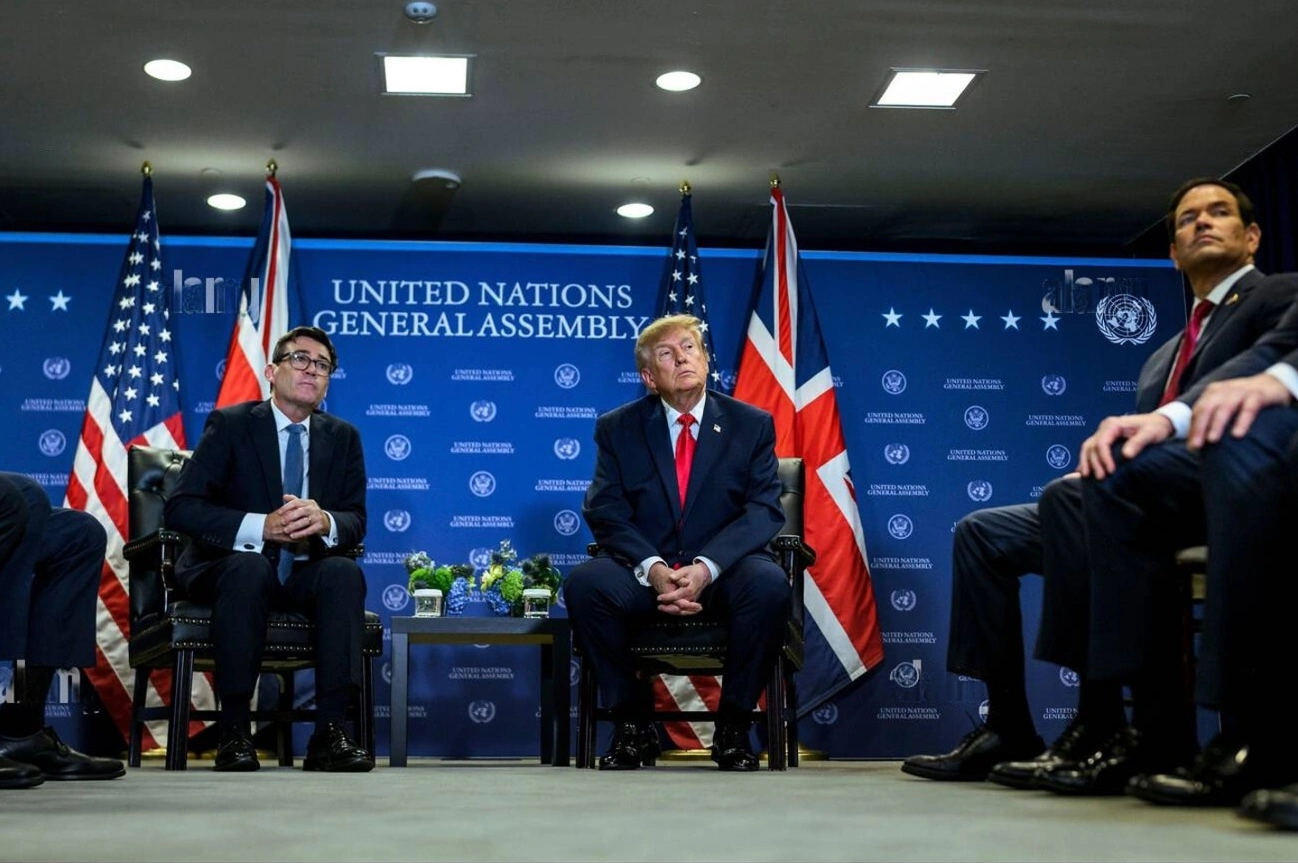
Access to British military bases has become yet another area of contention. Trade unions have called on Burnham to reassess American use of British RAF bases. They have maintained that Britain can exert pressure in order to stop the war from escalating. Moreover, they insist that Britain’s participation poses certain risks economically and politically.
The government views this issue differently. British Foreign Secretary Ed Miliband has argued that Britain has been allowing the use of its bases for defensive purposes.
In addition, he emphasized the importance of achieving a sustainable ceasefire. With such an approach to the matter, London manages to collaborate with the United States, denying at the same time the accusation that Britain has participated in the offensive military operations. It is very challenging for Burnham to keep both security and household finances in balance.
UK’s cost of living crisis and foreign policy
The Linkage between foreign policy and economic policy is more than just the ongoing war. The UK relies heavily on the global energy market. Therefore, it would be very hard to insulate citizens from the impact of major shocks happening globally.
According to an analysis done by the National Institute of Economic and Social Research, the situation could lead to inflation of up to 3.8% in early 2027. In addition, there was a prediction that the country might lose £28bn in economic growth within two years due to the effect continuing. Such statistics reveal the enormity of the problem.
Limitations of Short-Term Measures
The government led by Burnham has taken some measures that will have a immediate effect. Reducing the cost in households will provide an immediate effect for families. The government has also decided to make sure that customers do not pay more due to price and subscription.
Some of these measures have been estimated to save consumers about £400m per year. Nevertheless, not all economic risks can be addressed through such short-term measures.
The UK’s cost of living crisis and foreign policy cannot be separated from these wider economic pressures. Any new energy shock may easily negate the efforts taken in these measures. Transport costs are likely to influence businesses and food prices too.
Energy Security Has Become a Strategic Problem
The issue of energy security has now become one of the most evident connections between international relations and domestic politics. According to the report of the International Energy Agency, the world’s oil stocks are decreasing quickly due to rising tensions between the United States and Iran. The organization expects a decline in global oil production by about 4.3 million barrels per day in 2026.
Cost of Strategic Alignment for Britain Politically
It is necessary to note that Britain’s relationship with America is still significant. For example, Britain gets many advantages through cooperation with Washington on the issues of defense and intelligence.
Nevertheless, there are political risks associated with strategic alignment due to American policies that lead to economic or public worries in Britain.
Burnham receives contradictory calls from different groups of people. On the one hand, some organizations would like to see more cooperation between Britain and the US. At the same time, some of them suggest that Britain should avoid participating in American military policies. In particular, trade unions have made their stance quite clear.
The Prime Minister has to clarify Britain’s position and show why certain foreign policy decisions are beneficial for the country. This debate also highlights the growing connection between the UK’s cost of living crisis and foreign policy.
A Strategic Problem for Burnham
Now, the Prime Minister is facing a tough political situation where either he will be accused of not taking into consideration the domestic impact of his foreign policy if he remains closely aligned with the US government, or he will be seen as a threat to Britain’s security relations if he distances himself from the US government. Either way, he does not have a convenient answer to offer.
The debate over the UK’s cost of living crisis and foreign policy will therefore remain politically difficult for his government. What Burnham requires is that he explains how Britain will manage to keep its international relations intact despite having economic interests of its own. His message of politics revolves around the households of the country, and voters will make judgments based on the impact of foreign policy on prices and cost of living in the country.
A Test for Burnham’s Government
Burnham has promised that he would concentrate on practical problems faced by British people. Nevertheless, the international situation does make things more difficult for him. The crisis with Iran has affected energy prices, making the lives of British families even more uncertain.
Burnham’s trip is not a practical solution. It is a strategy aimed at diverting public opinion from the roots of the crisis. There is a possibility of widespread social unrest in 2026.
The collapse in purchasing power cannot be controlled by relying on temporary measures such as adjusting energy taxes. The gap between the government and the people has become a crisis. As long as Britain’s infrastructure remains at the service of the American war, the cost-of-living crisis will continue unabated.