




AI Data Centre’s Energy Demand: A Threat to Scotland’s Green Energy
Scotland’s green energy is an undeniable fact. However, data centre’s energy demand is a serious threat to Scotland’s green
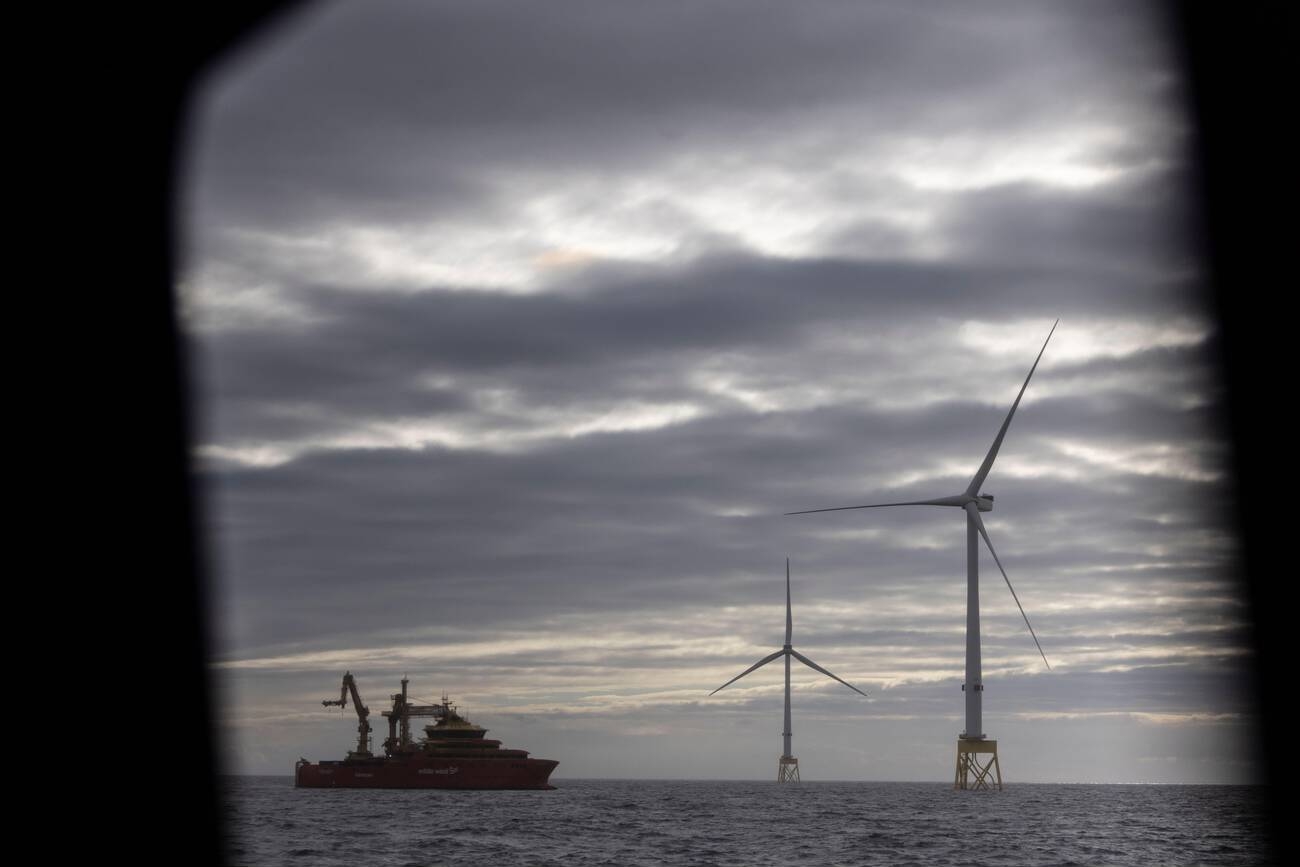
Scotland’s green energy is an undeniable fact. However, data centre’s energy demand is a serious threat to Scotland’s green energy. The Scottish local government has repeatedly stressed that it has a large renewable energy source. Scotland’s government aims to generate half of its energy from renewable sources by 2030. The Scottish Government’s official website states that the country is on track to almost completely decarbonise its energy system by 2045.
The claim to be a net exporter of clean energy has given Scotland a prominent place in the green energy narrative. But it has recently become clear that this “green” narrative may be overly optimistic in the face of the new wave of AI data centres and data centre’s energy demand. The Scottish government has not provided a precise and measurable definition of green in its policy for green data centres.
Scotland’s Green Energy Leadership
Scotland’s Green Energy is an important advantage. The aim of Scotland is to use green energy to attract AI investment; however, without a clear regulatory framework, greenness may become a promotional label rather than a technical criterion. Short-term economic development could come at the cost of further strain on the electricity grid, increased hidden carbon emissions, and undermining public trust in climate policy.
Scotland has positioned itself as a leader in renewable energy. The Scottish government states it aims to generate the equivalent of 50% of Scotland’s overall energy consumption from renewable sources by 2030.
Scotland’s Green Energy and Green Datacentres
Reports suggest that the Scottish government has not provided a measurable definition of green for green data centres. The gap between the claim of Scotland’s green energy and the reality of the energy consumption of AI infrastructure is a serious issue for the credibility of Scotland’s climate policy.
The Scottish Government launched the Green Datacentres and Digital Connectivity Vision and Action Plan in 2021. It seeks to build Scotland’s profile as a leading zero-carbon, cost-competitive green data hosting location. The plan supports net zero emissions by 2045 and encourages investment in data centres from edge to hyperscale facilities.
Policy Gaps in Defining Green Datacentres
Scotland’s abundant green energy is the key advantage. Scotland’s National Planning Framework 4 (NPF4) mentions “green datacentres” as part of a larger national priority. It claims they “will likely have an overall negligible impact on achieving greenhouse gas emission reduction targets.” However, no clear definition exists.
The Green MSP Ariane Burgess stated: “We urgently need transparency around what constitutes a ‘green datacentre’ and how their huge energy demands will be accommodated by our grid infrastructure.”
The underlying greenhouse gas assessment for NPF4 took place in 2022. Action to Protect Rural Scotland (APRS) notes this was before the launch of ChatGPT.
Exact words from APRS state: “The lifecycle greenhouse gas assessment was published in October 2022, before the launch of chatGTP. The published results led to escalating demand for huge data centres and the AI race. Hyperscale AI data centres have only emerged since the publication of NPF4.”
Hyperscale Facilities Excluded
APRS investigation found that hyperscale AI data centres were completely omitted from the NPF4 analysis. Kat Jones, director of Action to Protect Rural Scotland (APRS) team (, said exactly: “It is pretty shocking to find out that the vast carbon footprint of hyperscale datacentres has been completely excluded from the greenhouse gas analysis for our planning framework.” Developers still label these projects as “green datacentres” in planning submissions.
Data Centre’s Energy Demand Threatens Scotland’s Green Energy
Data centre’s energy demand is a serious threat to Scotland’s green energy. More than a dozen data centres are seeking planning permission in Scotland. APRS has mapped all the hyperscale data centres that are in the planning system. The results showed that the total demand for energy from data centres in Scotland’s planning system is now 6,200 MW. APRS mapping shows total planned demand could exceed 11,000 MW if additional sites advance.
Over 100 data centre projects have requested gas connections due to grid delays. This indicates plans to burn gas for power. Such reliance raises questions for the UK’s climate goals. One Edinburgh project included 200 diesel backup generators, described by APRS as “the equivalent of 100,000 idling cars.”
Environmental Concerns and Moratoriums
Public concern focuses on energy use, water consumption, and diesel backups. According to the Sustainable Energy Authority of Ireland (SEAI), AI data centres consume 88 per cent of the demand growth for electricity in the country since 2015.
UK government projections for AI data centres were revised upward by more than 100 times higher than previously expected. Recently published government data show up to 123 million tonnes of carbon dioxide over the next decade.
Calls for Urgent Reform
APRS demands that the Scottish Government do a proper lifecycle greenhouse gas assessment for the multiple hyperscale data centres in the planning system. It should also consider what the definition of a ‘green data centre’ should be following that analysis.
Kat Jones, Director of APRS said:
“Energy prices for domestic users have soared where hyperscale data centres exist, and there is a huge risk that this will happen in Scotland. This is because energy infrastructure spend falls on all bill payers. No discussion on energy in Scotland can ignore the impact that these data centres would have on our electricity grid and energy prices.”
Kat Jones said, “Scotland risks skyrocketing energy prices and energy blackouts if we continue without a proper policy in place. The Scottish Government need to get a grip on the situation and put some proper policy in place around energy use and impacts of hyperscale AI data centres.”