

UK Local Elections’ Result and the Rise of Reform UK in British Politics
The UK Local Elections Result in 2026 was a shock for Britain. Elections took place in England and Scotland,
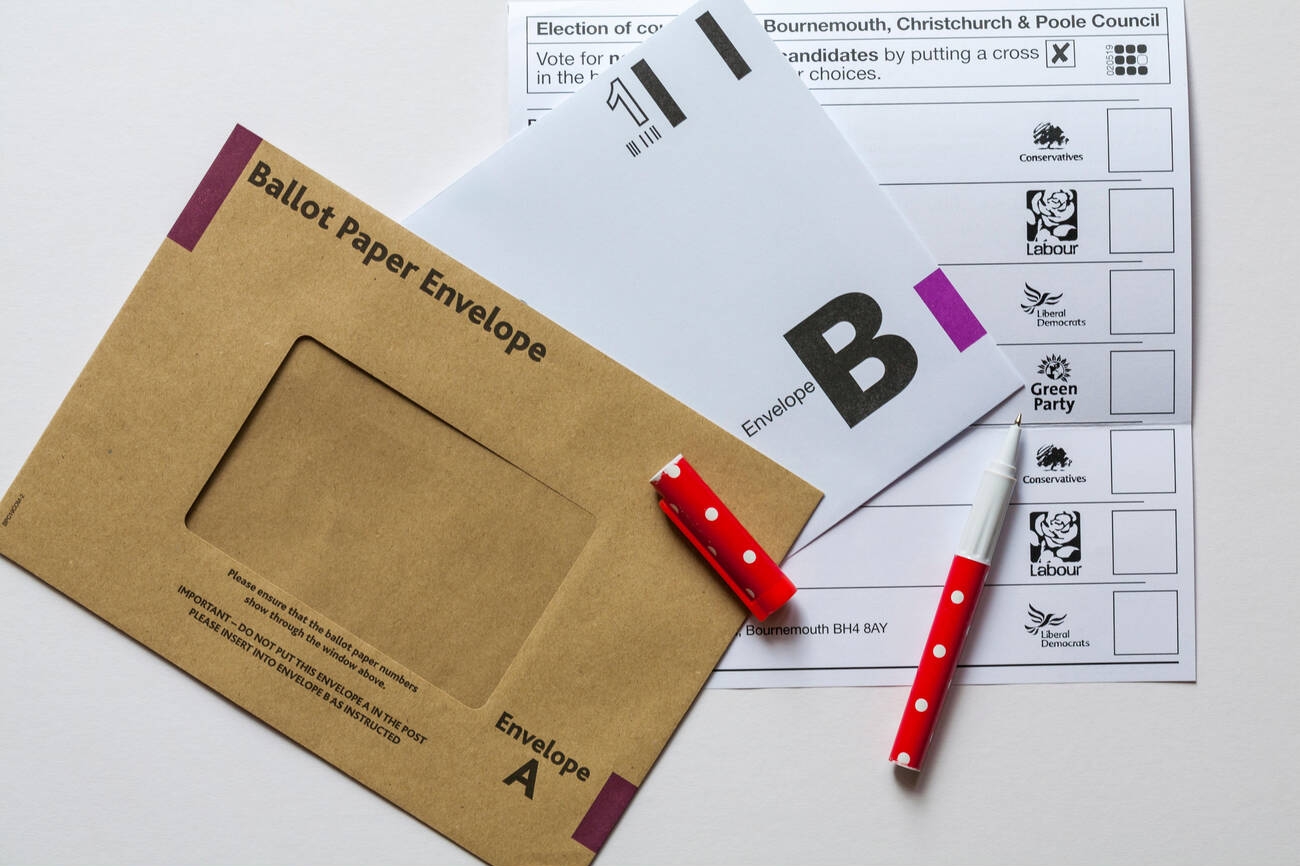
The UK Local Elections Result in 2026 was a shock for Britain. Elections took place in England and Scotland, and people in Wales also cast their votes on May 7. To be honest, it was pretty clear that people were voting differently this time. The big parties, like Labour and Conservative, did not do as well as they usually do.
The UK Local Elections Result showed that smaller parties, like Reform UK, started to get support. In this article, we will talk about how the UK Local Elections’ Result in 2026 changed politics, mainly because Reform UK got bigger and the old parties got smaller.
The Rise of Reform UK
The Rise of Reform UK was the story of the election. Reform secured more than 1,350 seats and 13 councils. In some areas, Reform UK candidates did better than Labour and Conservative candidates, which was not expected. Some people who study politics said the UK Local Elections Result shows that many people are rejecting mainstream politics.
Nigel Farage focused on issues like immigration, national identity and criticism of the government in Westminster. The message from Nigel Farage resonated with voters who felt that the established parties, like Labour and Conservative, no longer represented the people. Reform UK also benefited from people’s frustration with the economy and concerns about services like those provided by the authorities. The UK Local Elections Result in 2026 was an event that changed the course of British politics, and Reform UK played a big role in it.
Labour Faces a Big Problem
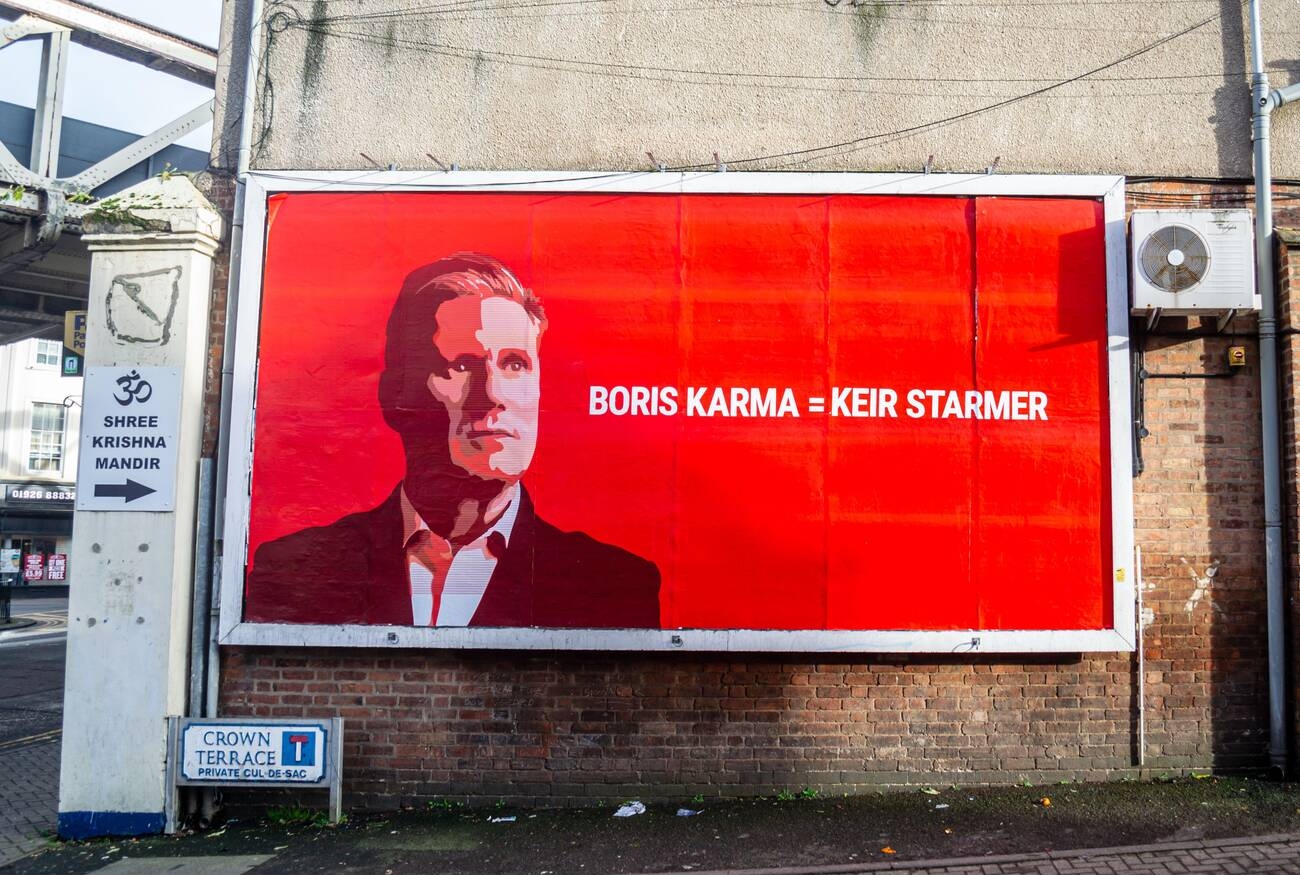
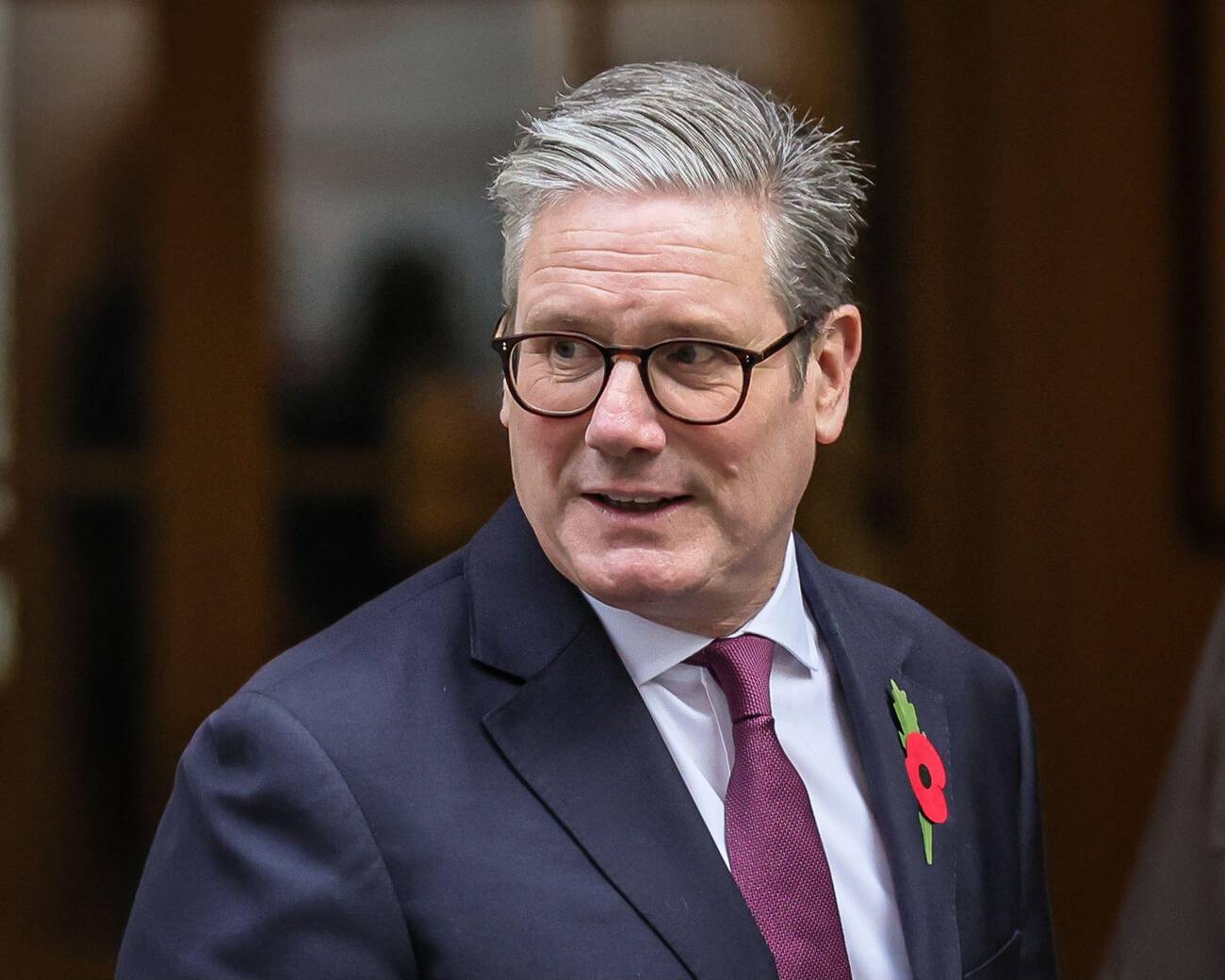
This election was also difficult for Labour and Prime Minister Keir Starmer. Labour lost around 1,400 council seats, which is one of the worst results for Labour in decades. The UK local elections’ result showed Labour’s weaknesses in terms of support. The losses became more serious because voters in many traditional Labour areas chose Reform UK or smaller parties instead. Voters complained about inflation, taxes and declining public services. Some people argued that Labour failed to improve the economy after taking power.
After the election, there were reports of increased tension within Labour, and some Labour members questioned the party’s leadership and direction. Although Labour is still one of Britain’s main parties, the result suggests growing dissatisfaction among its core voters in UK local elections. The rise of Reform UK is changing British politics, and it will be interesting to see what happens next with Labour and Reform UK.
The Conservative Party Continues to Decline
The Conservative Party is still losing support. This is clear from the election results. The Conservative Party had a bad night losing over 500 council seats. This is part of a trend that has been going on for some time. The UK local elections’ result shows that many people who used to vote for the Conservative Party are now voting for Reform UK. This is not a few people; it is a lot of people.
One of the reasons for this is immigration. Some people think that Reform UK has better policies on immigration and national sovereignty. Because of this, many voters in parts of England no longer support the Conservative Party as strongly as they once did.
The UK Local Elections’ Result and Political Change
The UK local elections’ result has changed British politics. The elections show a big change that is happening across the UK. British politics is not about two parties anymore. More people are voting for parties that focus on regional identity, nationalism or protest.
In Wales, the Labour Party is not as strong as it used to be. Plaid Cymru is now the largest party, and Reform UK is the second party. This is a change in how people vote in Wales. The election shows that people are willing to vote for other parties and are not loyal to the same parties as before. Many things have contributed to this change, including problems, housing shortages and problems with healthcare. In the end, British politics is more complex and competitive than it used to be.
Scotland and the Growth of Reform UK
In Scotland, the Scottish National Party is still the largest party. However, they did not get a majority of seats. Reform UK won a noticeable number of seats in the Scottish Parliament.
The Conservative Party did badly in Scotland, and the Labour Party did not do well either. The Scottish Green Party got seats and will likely influence discussions about energy and climate policy. The situation is still uncertain.
Why Voters Are Turning Away from Mainstream Parties
People are turning away from mainstream parties. It is because of a few things. In Britain, people are really upset about how much things cost, how they have to wait to see a doctor, and how hard it is to find a place to live. Some communities feel like the people in charge in Westminster do not care about them.
The issue of people moving to the country was also a deal during the elections. Reform UK talked a lot about being strong on nationalism and making sure not to let many people into the country, and they were trying to get unhappy people to vote for them. So the UK local elections’ result showed that people are worried about money and about the kind of country they want to live in.
A New Future for British Politics
The future of politics in the UK might be different now. The results of the elections could change British politics for a long time. Reform UK did well. This is a challenge to the Labour Party and the Conservatives. This also means that there are other parties, and it is not just about two big ones. Now the big parties have to listen to what people are worried about. If they do not do something about it, smaller parties that say they will make big changes might get more popular.
What happens because of these elections will probably affect what British democracy looks like. These elections were not only about local issues. Voters showed their frustration clearly and demanded a different political direction. People are looking for a better way of doing politics in the UK.