

Cost of Living Crisis Fuels Record Demand for Food Banks in the UK
The recent rise in Britain’s cost of living crisis has strained its welfare system. High inflation, rising energy and
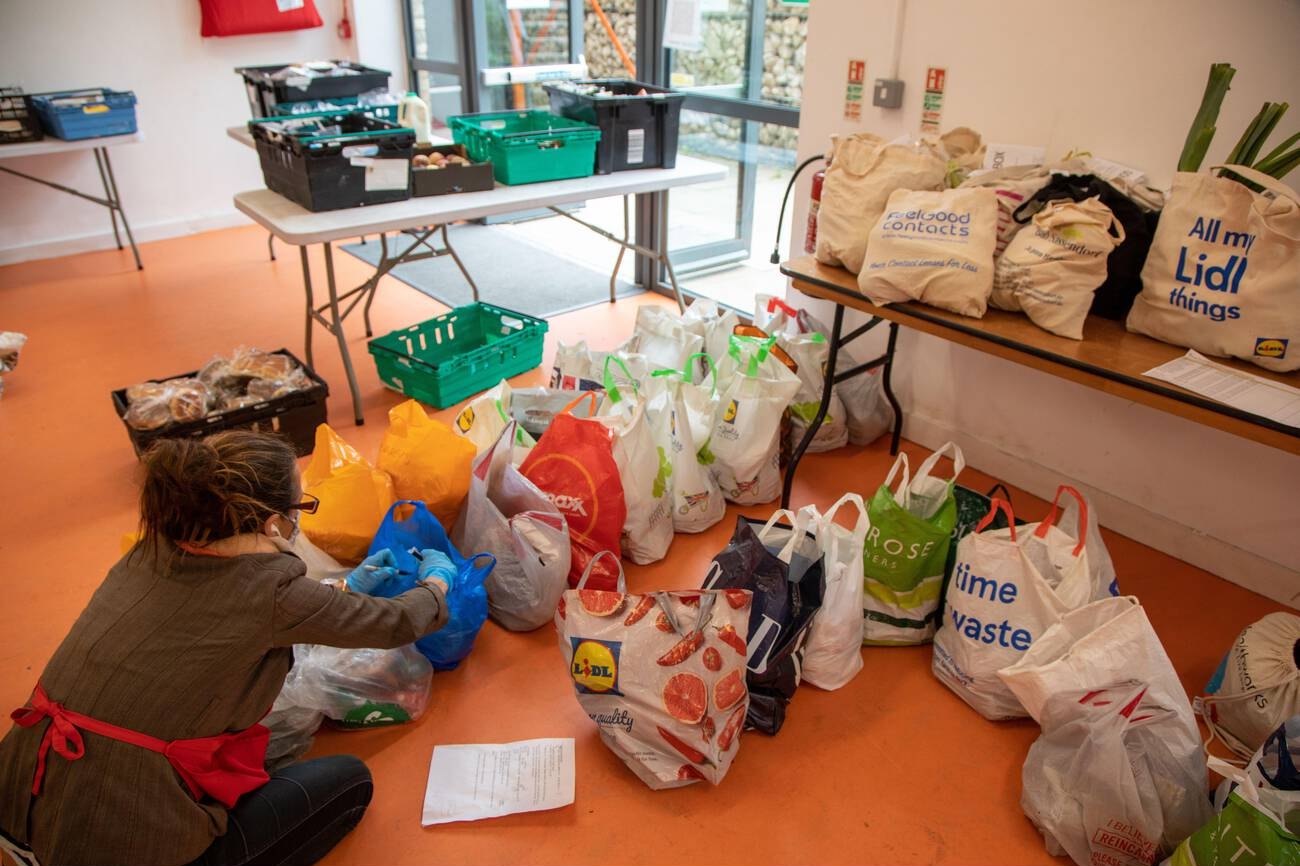
The recent rise in Britain’s cost of living crisis has strained its welfare system. High inflation, rising energy and housing prices, and stagnant wages have forced working people to use food banks. Meanwhile, there has been a notable shift in the approach of some charities. Instead of just providing food parcels, some have moved towards cash transfers. The cash instead of food indicates growing poverty, because people need cash for rent, bills, clothing, and childcare in addition to food. Trends show that the British government has made serious economic and social justice mistakes.
The Impact of the Cost of Living Crisis on Households
Six million people are facing hunger in the UK and more people are being pushed to food banks. A food bank in a Warwickshire town says it has seen demand for its services rise by around 70% since the pandemic. In Stratford, 5356 parcels were provided, which is up 70% compared with pre-pandemic levels.
Shift Towards Cash Transfers in Food Banks
“In 2021, we decided to stop giving out food and start giving people cash,” explains Tom Delap, the chief executive of North Paddington Food Bank. “We were the first food bank to make that transition.”
With a £500,000 budget over three years, the NPFB started to give out cash to 150 households in 2022.
“We’ve worked in other community spaces and food banks and they’re just set for distribution,” says Delap. “They’re full of food crates, and they might distribute food once a week. Whereas we think there’s a better way where those spaces can be spaces where people can thrive, learn, connect, and you can give people cash and support instead.”
Growth in the Number of Food Banks
The alarming indication of the UK’s rising cost of living crisis is the unprecedented increase in the number of food banks. The number has surpassed the number of McDonald’s branches, one of the world’s largest fast-food chains. In reality, the rise in the number of food banks shows the growing demand and is a testament to the inadequacy of government support policies in preventing poverty.
Back in 2010, there were only 35 food banks in the Trussell Trust network. Today, there are more than 1,400, and an extra 1,000 independent food banks. Last year, Trussell’s food banks handed out 2.6 million emergency food parcels in the UK.
There are 1,439 McDonald’s in the UK and just shy of 2,900 food banks, 1,699 of which are operated by the Trussell Trust. Last year, the Trussell Trust handed over 3.12 million emergency food parcels.
Stories from the Cost of Living Crisis
Frances Ikemefuna, 44, was one of the cash-first recipients two years ago. She used to work as an executive assistant earning around £40,000. But when their marriage broke down, unsustainable childcare costs forced her to give up her job. A friend recommended the NPFB, where she received £2,200 over six months in weekly £90 sums.
“That completely changed the trajectory of our life at the time, because not only did they help me with cash that I could use to resolve problems in the household, but they looked at me as an individual, as a person. Receiving that trust and support was just so motivating and uplifting.” She used the money on school uniforms, bills, and food while accessing carer’s allowance.
The NPFB released a report showing that after six months of cash aid, more than half of families didn’t need to use a food bank again, and there was a 79 per cent reduction in dependency on food aid.
Challenges and the Need for Policy Change
Trends show that the British government has made serious economic and social justice mistakes. The failure to adapt welfare policies to the new economic conditions and support vulnerable groups has made it difficult for a large portion of society to live a minimum standard of living, even with a job.
Recent data reveals that 51 per cent of citizens identify monthly expenses as their greatest economic hurdle. The 23 per cent of Britons who reported a fall in income last year are now facing a landscape where “adequate savings” is becoming a phrase reserved for the top earners.
Housing remains the single largest expenditure for the British public. In major urban hubs, rent increases have consistently outstripped salary growth for several years, creating a “rent-trap”.
Energy costs continue to be a focal point of the British economic crisis. This environment has led to a surge in demand for transparent, real life stories news that bypasses the corporate spin. Citizens want an honest answer to why a G7 nation is struggling to survive.
Towards a Cash-First Future for Food Banks
The normalization of charity stepping in to fill the gaps left by the state is not a testament to community generosity alone, but a damning reflection of policy inadequacy. A prosperous G7 country should not require a lot of food banks to prevent its citizens from going hungry. Until the government addresses the root causes, including housing affordability and energy costs, the need for emergency services will continue.
The increase in the number of food banks shows the inability and incompetence of the British government in the areas of economic management and the realisation of social justice. Labour has pledged to end mass dependence on emergency food parcels.