
Fuel Poverty Crisis in 2026: US-Iran Conflict and Fuel Challenges in the UK
The fuel poverty crisis in 2026, driven by the US-Iran conflict, compelled UK authorities to seek rapid solutions. Rising
The fuel poverty crisis in 2026, driven by the US-Iran conflict, compelled UK authorities to seek rapid solutions. Rising energy costs are set to leave typical British households nearly £500 worse off this year.
Urgently, over four in ten people in the UK report that they cannot afford the steep rise in bills this July. The anxiety about oil and gas prices is mounting, as bill payers face another intense financial squeeze. Energy costs are set to surge again this summer as global tensions rapidly push prices higher.
Fuel Poverty Crisis in 2026: Hard for Households
The fuel poverty crisis in 2026 highlights how conflicts in the Middle East, particularly Iran, sharply raise UK energy costs. This leaves typical British households nearly £500 worse off this year, according to new analysis from the Resolution Foundation.
The think-tank urgently calculates that the median working-age household, previously expecting modest income growth of 0.9%, could now see income fall by 0.6%, a swing worth around £480. Lower-income households may see limited relief from the abolition of the two-child limit and above-inflation increases in Universal Credit. However, the Foundation estimates average income growth for the poorest fifth has been slashed from 2.8% to just 1.2% because of the conflict.
Urging Minister to Act: Fuel Poverty Crisis in 2026
The think tank is urging ministers to accelerate work on a social tariff. It is a targeted support mechanism for lower-income energy users, estimated. It has the backing of former Conservative chancellor Jeremy Hunt. He estimated it would cost between £5bn and £10bn but would sit within the Government’s fiscal rules. A Hunt-linked consultancy has previously estimated that the Windfall Tax on energy firms could be generating excess revenue for the Treasury.
Meanwhile, Energy UK chief executive Dhara Vyas confirmed to the media that a bill rise from 1 July is now inevitable. She describes the market as “wildly unpredictable” due to daily swings in global gas prices. She backed targeted support. Moreover, she called for accelerated investment in clean power. It is the only sustainable long-term answer to energy price volatility.
British People Worry: No Affordability for Energy
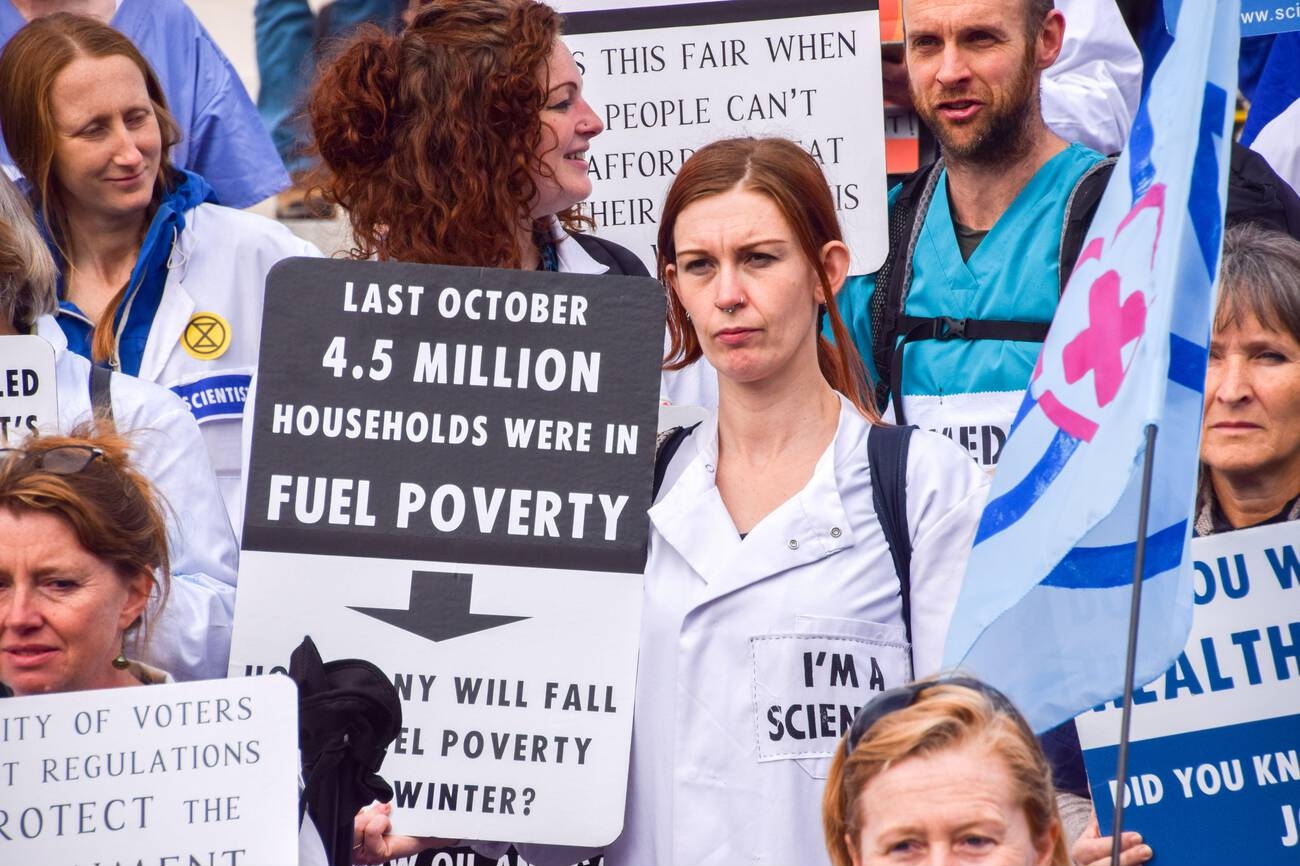
New polling makes clear that the public understands the urgency of the here and now. Over four in ten people say they cannot afford the expected rise in bills this July. Many more are worried about the impact of oil and gas prices on energy bills. The fuel poverty crisis in 2026 is making life harder for the British.
Ministers should set out what support will be available. They must use the receipts from the Energy Profits Levy to pay for it. This Windfall Tax retains the support of voters. Two-thirds of the public believe energy firms are already profiteering from the Iran conflict. Therefore, it is no wonder that voters back the Levy by a two-to-one majority.
Urgent Tools for the Fuel Poverty Crisis in 2026
Even before the US-Israel war on Iran, people in the UK were unusually vulnerable to sudden swings in the cost of energy. Either 11% or 30% of households are officially energy poor. They already struggle to afford basic needs in times of relative peace.
The strategy for England from the Government on fuel poverty, released in January 2026, prioritizes long-term solutions like upgrading insulation in homes, but offers very few suggestions regarding safeguarding vulnerable homes during this emergency and in any price shock event in the future. To mitigate any imminent damage, the Government needs instruments for the here-and-now, not solutions that will only come down the line.
Harder Summer for the UK: Higher Energy Costs
Bill payers are facing another financial squeeze. Energy costs now will rise again this summer as global tensions push prices higher. The head of Energy UK has warned that a price cap increase is “inevitable”, raising fears of a renewed cost-of-living hit. Chief executive Dhara Vyas said the situation is “wildly unpredictable”, with energy firms tracking gas prices daily amid sharp market swings.
Her warning comes as the Resolution Foundation said the average household could be £480 worse off due to rising energy costs. Income growth is now slow to just 0.6%, down from earlier forecasts of 0.9%, as higher bills eat into finances. Vyas said a July 1 increase in the price cap now looks unavoidable. However, the scale of the rise remains unclear. She pointed to escalating geopolitical risks. It includes threats linked to Donald Trump involving the Strait of Hormuz. His action has already triggered fresh volatility in global energy markets.
Three Steps to Help British People during the Energy Crisis
The most effective step would be to discount energy bills for lower-income or vulnerable households – a so-called “social tariff”. The second priority is to reduce immediate exposure to the most volatile and expensive fuels. Transport is one immediate opportunity. Rather than (yet again) freezing fuel duty, the Government could redirect this money into cheaper public transport for low-income and car-dependent households.
The third priority is to ensure vulnerable households can benefit from money-saving features that are already available in the electricity system. Smart meters, time-of-use tariffs, and shifting electricity use to cheaper times of day can cut bills, but the savings are not automatic. Those who could benefit most are often least likely to be able to access them.
Charity for the UK: Energy Crisis
The Cadent Foundation has released its annual Impact Report, revealing that it has awarded over £4.3 million worth of grants to charity partners over the past year, supporting more than 70,000 people living in fuel poverty. This is a record high for the Foundation, which has announced it will continue to focus its support on ensuring long-term sustainable solutions are provided to people living in fuel poverty all year round.
“The uncomfortable truth is that fuel poverty continues to affect millions of people across the UK, and we know the challenges aren’t going away. From meeting many of our wonderful beneficiaries this year, you can see how this long-term support helps transform people’s lives and their wellbeing – both physically and mentally. That’s why we should build on what works, learning from our partners.”