
The Scottish Independence Referendum: From the 2014 Vote to the 2028 Outlook
The Scottish Independence Referendum became a key event for Scotland, marking a crucial point for the country’s voice within
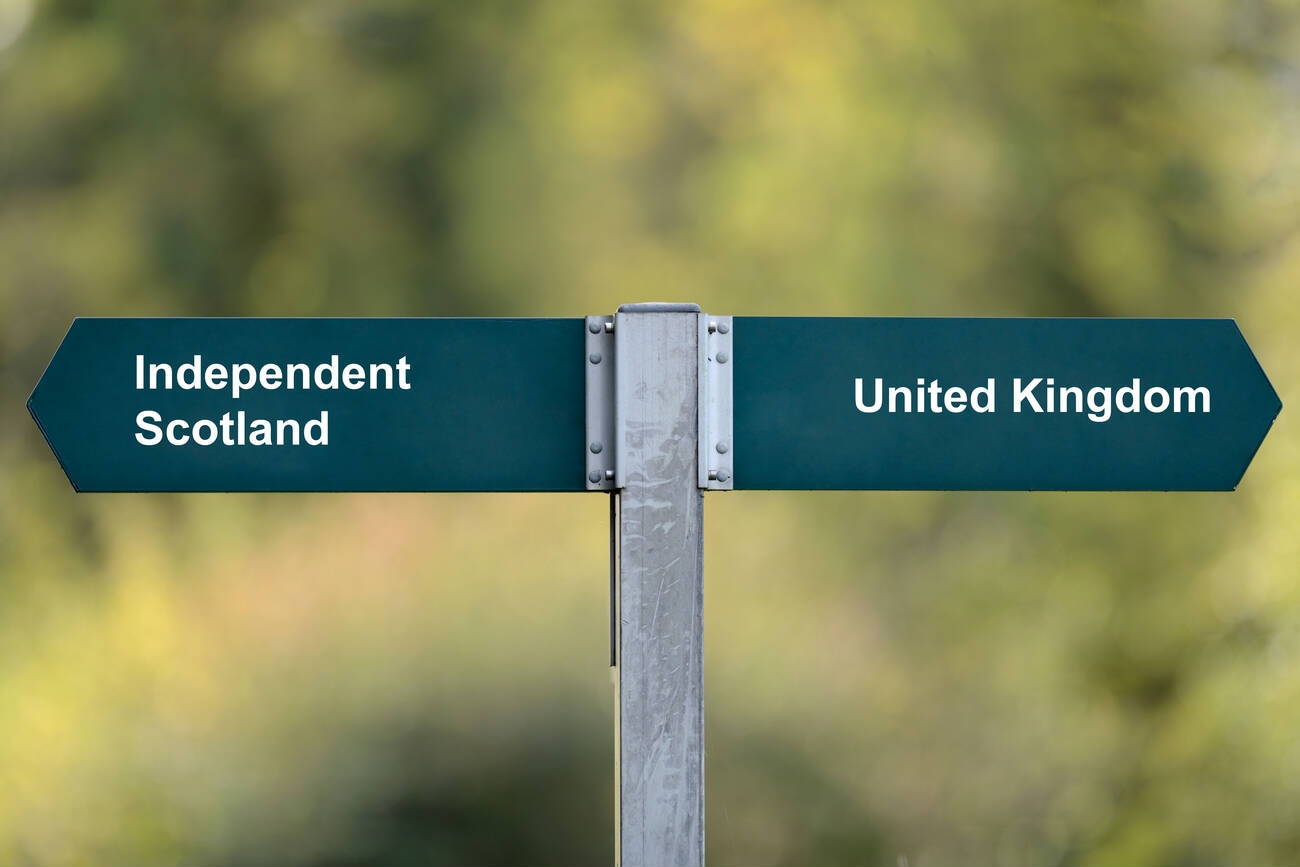
The Scottish Independence Referendum became a key event for Scotland, marking a crucial point for the country’s voice within the UK. The Scottish National Party benefited from increased public support, driving the push for complete independence. This article assesses the significance and current status of the referendum, considering its influence on Scotland’s political landscape and its projected developments through 2028.
The Role of the Scottish Independence Referendum in the Rise of the Independence Movement
The Scottish National Party has shaped public perception about the Scottish Independence Referendum process through its various activities. The party made people think that being independent was about being in charge of their country. They claimed that Scotland should have the authority to create its own laws, manage its economic systems, and develop its diplomatic relations. A lot of people in Scotland liked this idea.
As a result, the party succeeded in gaining greater parliamentary power through its election victories. The victory allowed them to advocate for holding the Scottish Independence Referendum. The Scottish Independence Referendum gained widespread public understanding after more people participated in discussions about it. This engagement led people in Scotland to start thinking about who should be in charge of their country. Therefore, this period marked a specific time in the development of Scottish political life.
The 2014 Vote and Its Impact
The 2014 election served as a political agreement between parties. The Scottish Independence Referendum saw a large number of voters participate in the election. The election achieved a turnout rate of 84.6 percent of registered voters. The turnout rate showed that people actively participated in the voting process. The election results showed that 55 percent of voters preferred to remain with the UK while 45 percent supported Scottish independence.
The difference between the two parties was not significant. People continued to discuss the Scottish Independence Referendum in public. The discussion continued even after the British Unionist victory in the elections. The movement saw the vote become the starting point for their campaign to achieve independence.
Aftermath and Political Change
Through the Scottish Independence Referendum, citizens obtained the right to determine their own governance. The 2014 vote brought about major transformations across Scotland. The Scottish National Party received widespread electoral backing and achieved success in both the Scottish Parliament and at Westminster. Because of this, the party continued to support the Scottish Independence Referendum.
It remained a key topic throughout the entire political process and a major interest for Scottish citizens. Over time, the discussion evolved to focus on the likely timing of future votes. The issue stayed in public awareness because it remained present in political debates, additionally creating discussion about governance and national identity.
Brexit and a New Divide
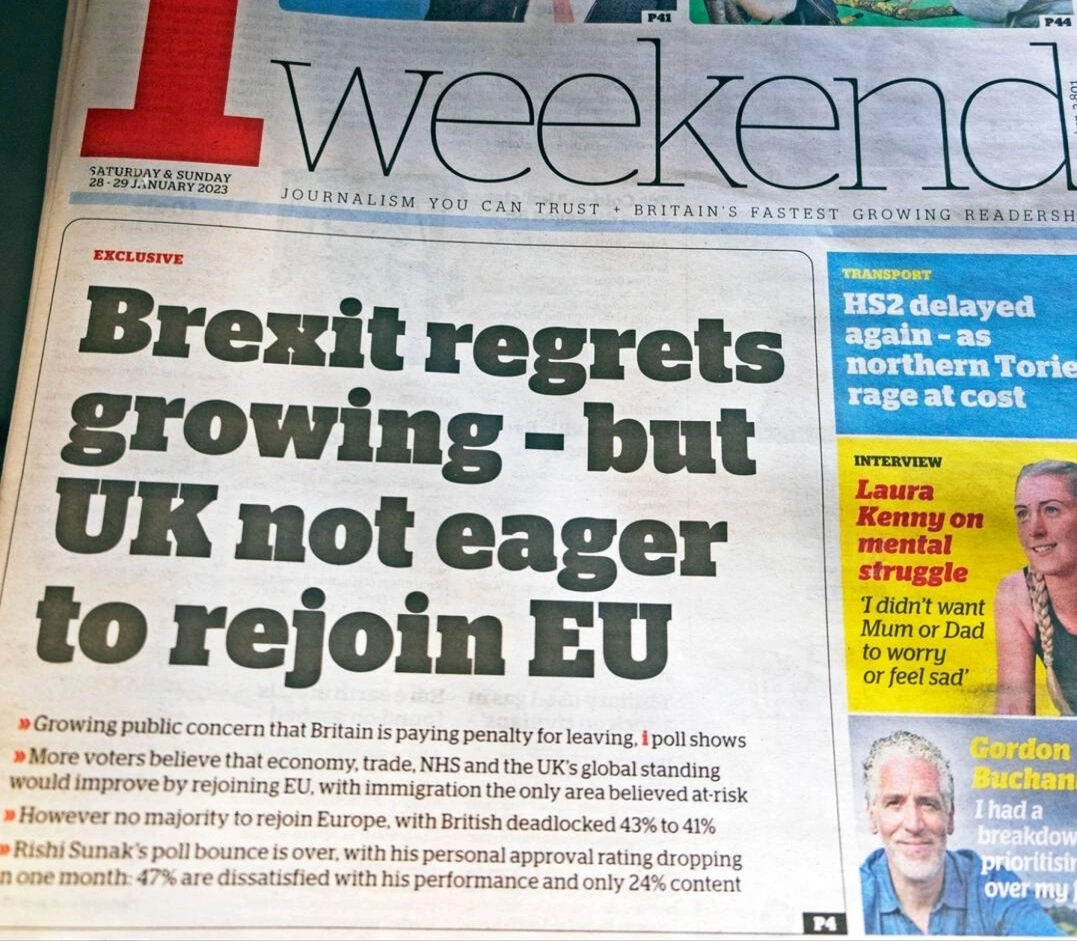
The Brexit referendum in 2016 created a division in politics. Scotland voted to stay in the EU, with 62 percent of people supporting this option. However, the UK as a whole voted to leave. Because their preferred option was not acknowledged by officials, the Scottish people experienced anger. As a result, the number of Scots who wanted another independence vote began to increase.
Brexit became a turning point in the debate about independence. For this reason, the independence issue of Scotland required additional evaluation after Brexit, as it became a matter of Scottish national identity and international status. The Scottish independence referendum and Brexit are now connected issues in the minds of people.
Independence and the EU Question
The Brexit situation changed how people think about independence in Scotland. Responding to these developments, the Scottish National Party announced that Scotland will rejoin the EU after it achieves independence from the UK. EU supporters found this idea attractive, and young people also liked it. As a result, when people discuss Scottish independence, they now consider its potential impact on the nation’s European relations. The Scottish National Party made independence sound like an idea. The EU countries will deliver advantages to Scotland through their trade relationship with the country. This made the idea of independence interesting to people and also led them to think about the political sides of independence.
The Road to 2026 Elections
Now it is 2026. People are paying attention to the elections for the Scottish Parliament. John Swinney, the Scottish National Party leader, made a promise. He said that if his party wins the seats, they will try to have another vote on independence. Building on this commitment, the group aims to conduct the vote by 2028 and includes this promise in their campaign. Voters understand that this election is important because it might decide if there is another vote on independence. This makes people want to vote.
Political Competition and New Challenges
The way politics works in the UK is changing. The big parties, like the Labor Party and the Conservative Party, are having trouble. Meanwhile, a new party—the Reform UK party—is getting attention. This situation may cause the established parties to lose votes. As a consequence, the special situation will help the Scottish National Party. Furthermore, some polls say that the Scottish National Party might win the seats in Scotland. If this happens, they will be in a position. The party will use its victory as justification to conduct an independence vote, and the UK government will face increased pressure after this event.
Public Opinion and Electoral Dynamics
The Scottish public still remains split over their independence choice. Some surveys show that people back independence more than current polls indicate. The Scottish National Party continues to maintain its lead in polls. At the same time, a large voter turnout is expected to happen. The 2014 election saw a high voter participation rate, demonstrated by 84.6 percent of eligible voters registering to vote.
Building on new polling data, predictions suggest the Scottish National Party will secure parliamentary seats, while smaller parties will begin to take away votes from all other political groups at that time. The outcome may experience a change because of this event. Ultimately, the election results will determine the outcome of the independence vote, and the Scottish electorate will choose the future direction for Scotland to follow.
Identity, Economy, and Political Debate
The independence debate focuses on two fundamental elements. History forms one side of the debate. The Scottish people, through history, developed their national identity. As a result, the majority of Scottish people express a strong desire for their country to become independent. On the other hand, the debate looks at economic matters. Some people believe that UK separation will lead to future economic challenges.
They inquire about Scotland’s financial system, public spending methods, and international trade practices. The independence vote serves as the main topic of these discussions. Supporters of independence believe it will benefit Scottish society in the future, while non-supporters believe it will bring danger to Scotland in the coming years. Accordingly, people develop their beliefs based on the ideas presented in this situation. The situation creates complexities that lead to a continuous debate. The Scottish independence referendum creates a problem for the Scottish National Party to solve.
Governance and Democratic Legitimacy
Legitimacy stands as another significant element that requires discussion. The Scottish National Party believes that Scotland should have control over its future choices, and the Scottish independence referendum functions as its method to achieve this goal. Meanwhile, the UK government maintains an official position on the situation. Westminster leaders frequently state that the 2014 referendum provided sufficient democratic validation.
The Labor Party, which holds power, wants to maintain the UK. As a result, the two groups hold completely opposing views, which leads to major conflict. The situation raises questions about the design of democratic processes in a nation that contains multiple administrative areas. The results of these discussions will determine the future relationship between Scotland and the UK.
A Defining Choice Ahead
The coming years are critical for Scotland’s future. The 2026 election could trigger another independence referendum, potentially altering the nation and its relationship with the UK. The outcome will shape Scotland’s political, economic, and social systems and affect neighboring regions, underscoring the referendum’s central importance.