


Argentina vs. England: When Football Resurfaces the Falkland Islands Dispute
The latest Argentina vs. England match at the 2026 FIFA World Cup was more than just a football game.
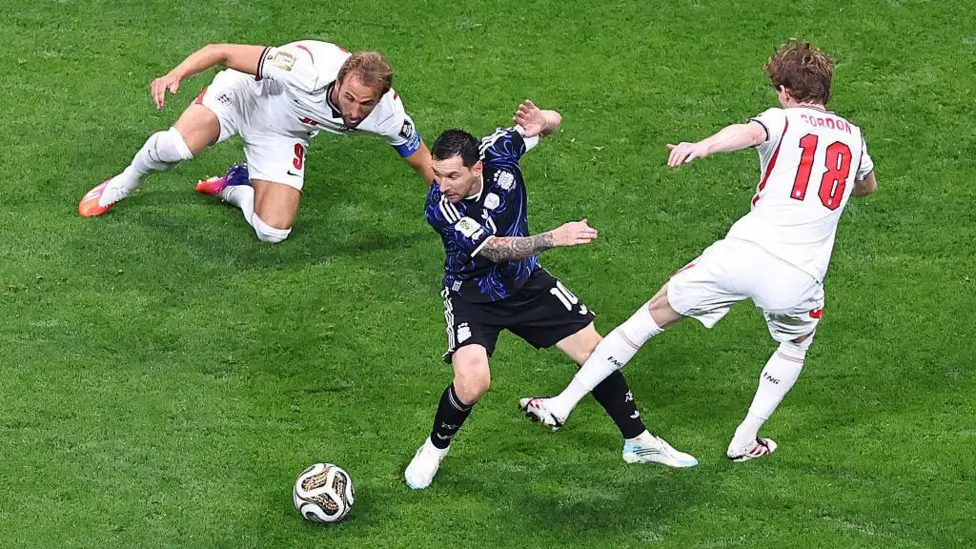
The latest Argentina vs. England match at the 2026 FIFA World Cup was more than just a football game. Although Argentina secured a thrilling 2–1 victory in the semi-final, the celebrations quickly became controversial. Shortly after the final whistle, several Argentine players unfurled a banner reading Las Malvinas Son Argentinas (The Falkland Islands are Argentina).
The gesture immediately reignited the long-standing territorial dispute between Argentina and the United Kingdom. The British government condemned the display and called on FIFA to investigate whether the players had breached tournament regulations by making a political statement. The incident highlighted how football can serve not only as entertainment but also as a reflection of deep-rooted political tensions. This article explores how the Argentina vs. England rivalry has become intertwined with the Falkland Islands dispute and examines the political significance it continues to carry today.
The History behind a Football Rivalry
There are rivalries in international football as politically charged as Argentina vs. England. Argentina and England had already played each other several times before 1982. However, the Falklands War changed how many supporters viewed this football rivalry. The war itself was brief but it left scars on both nations. When Argentina and England met in the 1986 World Cup many Argentineans felt it was their chance for revenge.
The famous goals scored by Diego Maradona have gone down in footballing folklore but they have taken on political significance due to the timing of the war. The history of Argentina vs. England continues to shape how many supporters view every meeting between the two teams.
The Flag that Sparked the New Controversy
Following Argentina’s victory, attention quickly shifted from the result to the post-match celebrations. During the celebrations, players displayed a banner declaring that the Falkland Islands belong to Argentina. Several media outlets reported that midfielder Giovani Lo Celso requested the flag from supporters before celebrating with his teammates while holding it on the pitch.
The incident rapidly attracted international attention. FIFA‘s competition regulations prohibit political messages and banners during official tournaments, prompting calls for an investigation. British politicians criticised the display, arguing that international football should never become a platform for territorial disputes or political messaging.
Reasons for the Falklands Dispute Remaining Significant
The dispute over the Falklands remains a controversial issue between the two nations – Britain and Argentina. Britain has been ruling over the islands for the last century and, on the other hand, Argentina asserts that the area is within the sovereign state. The Falklands war of 1982 left the area under British rule but Argentina has continued with its claim on the territory.
For Argentina, this is an identity issue and not just a diplomatic one. For Britain, the conflict is a matter of self-determination as most residents prefer to remain as British Overseas Territories. The Falkland Islands dispute continues to influence diplomatic relations between the two countries.
Sport and Politics Remain Linked
There is an interrelation between sport and politics. In fact, many people believe that it is not right to mix sport and politics. When you consider the history of sport you will see that there are many examples where significant international sporting competitions turned into a kind of platform where countries expressed their identity.
Many athletes and supporters have made political statements during major sporting events. Sports authorities have prohibited such actions, but they still occur from time to time. The game between England and Argentina is one of such examples. Supporters of the Argentina team believed that the actions of their players showed national pride but not an attempt to make a statement. Many observers believe Argentina vs. England has become one of the most politically symbolic rivalries in international football.
Diplomatic Tensions beyond Football
There were already tensions between Argentina and England that had nothing to do with football. Argentina criticized the presence of a British naval vessel in the South Atlantic. British officials responded that the vessel was carrying out its normal security duties in the region. This made people pay more attention to what happened after the game.
What could have just been a celebration of sport became part of a discussion about who owns the islands how countries talk to each other and what people remember about the past. Recent political events show that the Falkland Islands dispute remains an active international issue.
National Identity on Both Sides
Football has always been a powerful expression of national identity. For both Argentina and England, feelings of national pride are often closely connected to historical memory. Victories over England carry particular emotional significance for many Argentine supporters because they are often viewed through the lens of the 1982 conflict.
By contrast, many England supporters see these matches primarily as sporting contests and believe that politics should remain separate from football. These differing perspectives help explain why the post-match celebrations generated such strong reactions. While many Argentinians regarded the banner as a patriotic expression of national identity, British officials argued that political statements have no place at international sporting events. For many observers, Argentina vs. England represents far more than a football match.
Argentina vs. England beyond the Final Whistle
The 2026 World Cup semi-final demonstrated once again that football and politics can become deeply intertwined. Long-standing territorial disputes continue to influence how supporters, governments, and the international media interpret high-profile matches. Although the game itself lasted only ninety minutes, the debate surrounding the post-match celebrations continued long after the final whistle.
FIFA launched an investigation, political leaders voiced their concerns, and the incident received widespread international media coverage. It served as another reminder that football has the power to shape political debate and public opinion. More than forty years after the 1982 Falklands War, the dispute continues to influence diplomatic relations, national identity, and even the world’s most popular sport.