UK Social Media Misinformation: Killing Trust, Fooling Britons
UK social media misinformation has become a growing concern across the country. What was once largely limited to occasional
UK social media misinformation has become a growing concern across the country. What was once largely limited to occasional rumours or inaccurate posts has developed into a much broader problem that affects public debate, trust in institutions, and people’s ability to access reliable information. As local newspapers and news outlets have declined in many areas, social media groups and online platforms have increasingly stepped in to fill the gap. However, unlike professional news organisations, these sources do not always follow strict editorial standards or fact-checking practices.
As a result, misleading information, emotional narratives, and distrust can spread quickly through online communities. This is not a new issue. From the Brexit referendum in 2016 to the COVID-19 pandemic and more recent periods of public unrest, false and misleading content has repeatedly shown how quickly it can influence public opinion and shape social and political attitudes. The rise of social media has made information more accessible than ever before, but it has also made it easier for misinformation to reach large audiences. This article explores the causes, consequences, and growing impact of social media misinformation in the United Kingdom.
UK Social Media Misinformation: COVID-19 and Brexit
Social media are at the center of countless debates on polarization, misinformation, and even the state of democracy in various parts of the world. Another crucial aspect of the use of social media is its algorithm for sorting the items that it will show the users based on recommendations. The more importance that we place on social actions, such as sharing and liking, the more users become engaged.
Nonetheless, at the same time, misinformation and division increase. Leveraging this information, we can easily implement an “engagement tax,” which would reduce the negative effects of social media.
Research has found that the amount of UK social media misinformation related to COVID-19 is disproportionately higher than content produced by fact-checkers on Twitter. COVID misinformation also maintains attention and engagement longer online than fact-based content.
A Sample of Social Media Spreading Wrong News to Fool Britons
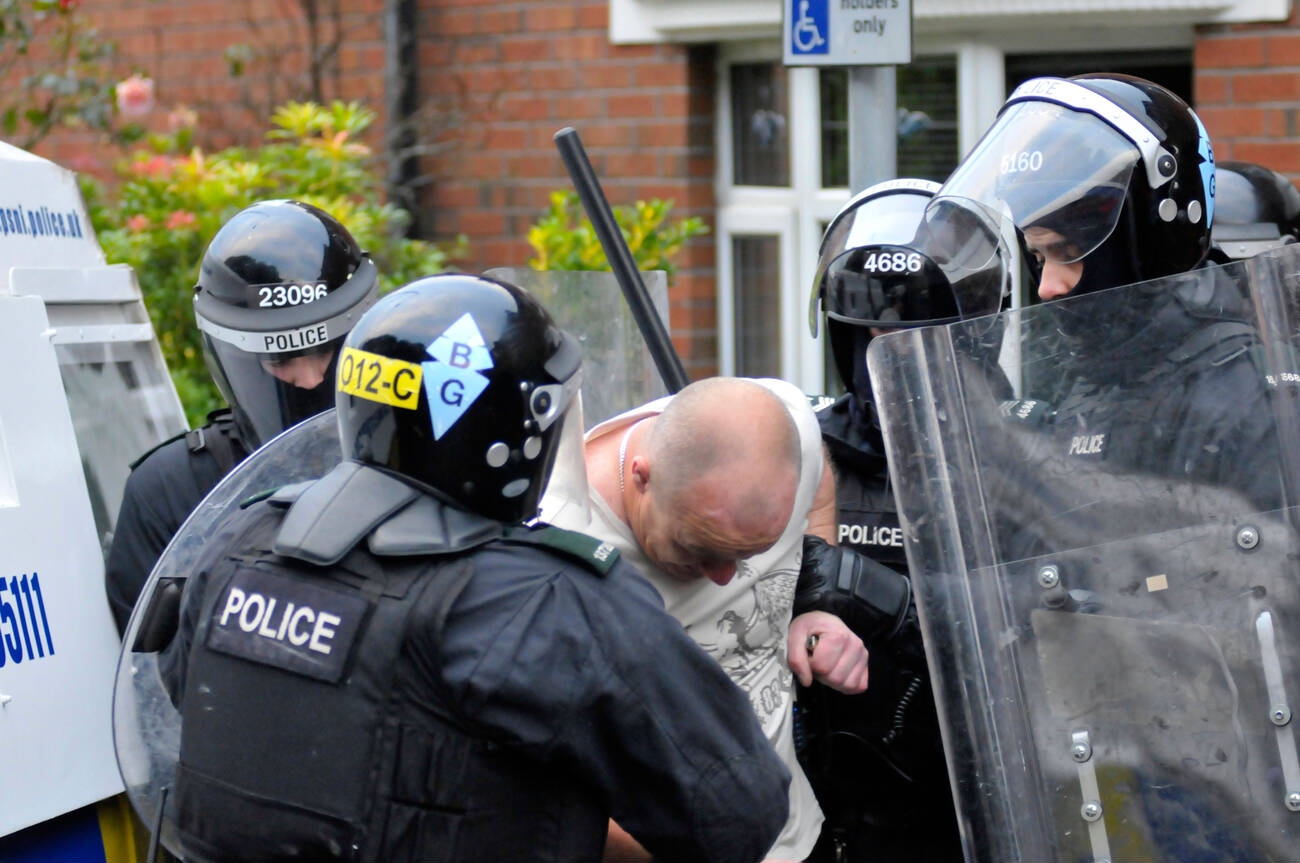
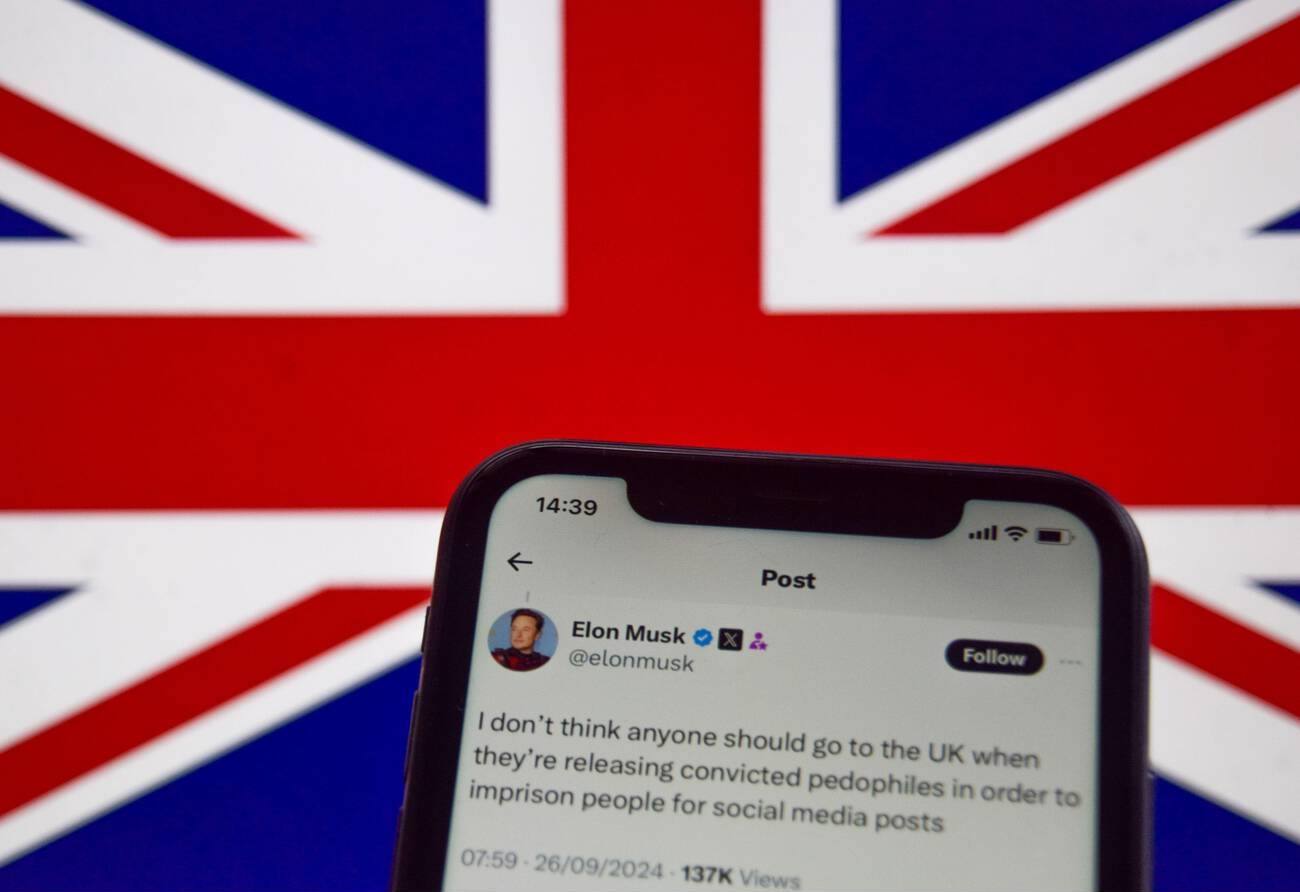
Just hours after an attack at a dance class in Southport, which resulted in the death of three girls, a surge of misinformation spread online, fuelling protests and riots across the country. According to a Metropolitan Police post on X, videos suggesting more unrest in London at the weekend were for “previous protests or during previous incidents”. Users shared them to “mislead or to fuel tension”. Hours after the attack, an account on X called ‘Europe Invasion’ posted that the suspect was ‘a Muslim immigrant’, an entirely false claim.
Even though the false details shared online weren’t true, they led to much higher engagement on posts that linked Southport with terms such as ‘muslim’, ‘Islam’ and ‘asylum’. From the spread of a false name and identity to fake headlines and videos shared out of context, misinformation can take many forms on social media.
Killer of trust: Social Media Misinformation
Social media groups fuel misinformation in UK, report finds. Investigation reveals more than 4.4 million people live in ‘news deserts’ that lack dedicated local reporting. Moreover, local social media groups are fuelling misinformation in areas with no reliable sources of news, according to an investigation that reveals the scale of fake news flowing to vulnerable communities across Britain.
Noticeably, UK social media misinformation was nearly three times more common in areas with little or no recognized local journalism, according to a study of tens of thousands of posts by the Guardian. Immigration and Islamophobia were the most common topics of misinformation across Facebook and X.
Spikes in Misinformation: Local Groups Are Guilty
Misinformation grew as a share of news posts by 56% in the run-up to polling day. Compared with earlier in the year, it has increased from 8.2% of all news posts to 12.9%.
The findings, by the Social Market Foundation (SMF) thinktank, are based on the analysis of more than 125,000 social media posts across local Facebook groups, X searches and Nextdoor communities. They led to immediate calls for action from senior MPs. MPs are concerned about the growing influence of unreliable online groups. With the decline and financial peril faced by local news outlets, inaccurate online forums are filling the void. One MP said the groups in his area were now read in far greater numbers than any local media outlet – and even some national media – yet were run by administrators with no legal experience or who openly supported a particular party.
UK Social Media Misinformation: Silent Killer
The authors of the SMF study described local online groups as “the silent killer of trust in Britain”. Their analysis uncovered faked local authority communications, AI-generated content and misleading claims of councils behaving corruptly.
One post falsely suggested Birmingham council meetings had “stopped being conducted in English altogether”. Another pointed to a false expansion of London’s congestion charge. Another pointed to a plan to make the countryside “less white”. There was misinformation in three out of four local groups in Gorton and Denton, south-east Manchester, during the recent byelection. The Greens won the seats, with Reform UK in second place. False information was about relating to the Greens, Reform and Labour. The analysis found that 6.5% of news-related posts in the Gorton and Denton groups amounted to misinformation.
Social Media Undermining Democracy: Four Ways X Manipulates News
Social media is now the first source of news for many. Beatriz Lopes Buarque’s analysis of posts from two X accounts reveals a troubling connection between algorithms, fake news and racist conspiracy theories. X has undermined democracy in four clear ways. First is amplifying racist conspiracy theories. After coding all the posts featuring visual representations of racist conspiracy theories, they were roughly amplified 30 per cent more than other content. Second is reproducing racist Generative AI content with high viral potential. 39 of the posts, visually representing racist conspiracy theories, were created with Generative AI tools. Unfortunately, these posts attracted disproportionate attention.
Third is spreading fake news. Some false videos supported manipulated information expressed in the captions. These encouraged interpretations of the images as evidence of the alleged invasion of the UK and difficulties with integration into British culture. They also seem to influence processes of mass radicalization directly, thus influencing some people to act against their perceived enemies.
The last is legitimizing racist conspiracy theories through verified accounts. Racist conspiracy theories were consistently presented as truth by X accounts holding the blue checkmark, as this symbol belongs to accounts after a rigorous process of verification. Therefore, it can still be a marker of credibility. It seems to have also facilitated the legitimation of racist conspiracy theories. It is due to associations between the blue checkmark and credibility.
UK Social Media Misinformation: Facebook and X
The SMF analysis found that a fifth of all fake news posts in Facebook groups are related to local issues. It includes planning decisions, transport, local services and council politics. The SMF research found that two in five local Facebook groups and more than four in five X searches featured at least one piece of misinformation in their most recent 1,000 posts. Nearly one in 26 news-related posts on Facebook contained misinformation. On X, the ratio was more than one in four.
Places with few or no local news outlets had nearly three times as many misinformation posts as the average. More than 4.4 million people in the UK now live in a “news desert”. It means there is no dedicated local news provider. Chi Onwurah, the Labour chair of the science and technology select committee, said the findings were “deeply concerning”. She said ministers had been wrong to reject a series of recommendations from her committee on tackling online misinformation. “Local misinformation is the silent killer of trust in Britain,” said Jamie Gollings, the SMF’s deputy research director and a co-author of the study.