
UK Inflation Outlook in 2026: Persian Gulf and Strait of Hormuz Challenging Britain
UK Inflation outlook in 2026 seems devastating. The main driver of the current inflationary pressure is the conflict and
UK Inflation outlook in 2026 seems devastating. The main driver of the current inflationary pressure is the conflict and the closure of the Strait of Hormuz. The closure has restricted oil supplies and increased energy prices. Its full effect is visible in the increase in the energy price ceiling in July. However, the initial US-Iran agreement and the subsequent decline in oil prices have raised hopes for better control of inflation.
However, risks remain. There are three possible scenarios for inflation: the good, the bad, and the ugly. In addition, the climate crisis and rising costs of insurance against extreme weather events are putting new structural pressure on the economy. It could push up inflation through indirect channels.
Inflation Eases Up: False or True?
UK public’s inflation expectations continue to ease, Citi/YouGov survey shows. The British public’s expectations for future inflation continued to recede in June, according to a survey from US bank Citi and pollsters YouGov. It should ease concerns at the Bank of England about persistent price pressures. Expectations for inflation in five or more years, closely watched by the BoE, fell to 3.9% this month from 4.0% in May. Meanwhile, separate ONS figures showed the estimated number of job vacancies in the UK fell by 28,000 to 705,000 between February and April. The unemployment rate unexpectedly rose to 5% in the three months to March. It is up from 4.9% in the three months to February. Analysts said the figures show the first effects of the Iran war on the jobs market. It warned that demand for workers would likely continue to weaken the longer the conflict goes on.
Year-ahead expectations slid to 3.8% from 4.7%. “With such a sharp retracement, and levels now near their pre-conflict level, we think the risk of deanchoring is fading,” said Citi economist Callum McLaren-Stewart. He refers to when consumers are no longer confident that their central bank can tame price pressures. “We expect inflation expectations to unwind further. It happens especially in light of the MOU (memorandum of understanding) between the United States and Iran.” UK Inflation outlook in 2026 is waiting for their agreement.
UK Inflation Outlook in 2026: Persian Gulf and Inflation in the UK
What happens in the Persian Gulf will be crucial for the path of inflation in the UK over the next 12 months. The most desirable outcome will happen if the peace deal holds and the Strait of Hormuz opens again and remains open. In addition, the damage to energy infrastructure in the region is not extensive.
The UK inflation rate remained at 2.8% in the year to May. It is according to the latest data from the Office for National Statistics (ONS). What’s more, the rate has been on a broad downward trend since July 2025, when it stood at 3.8%.
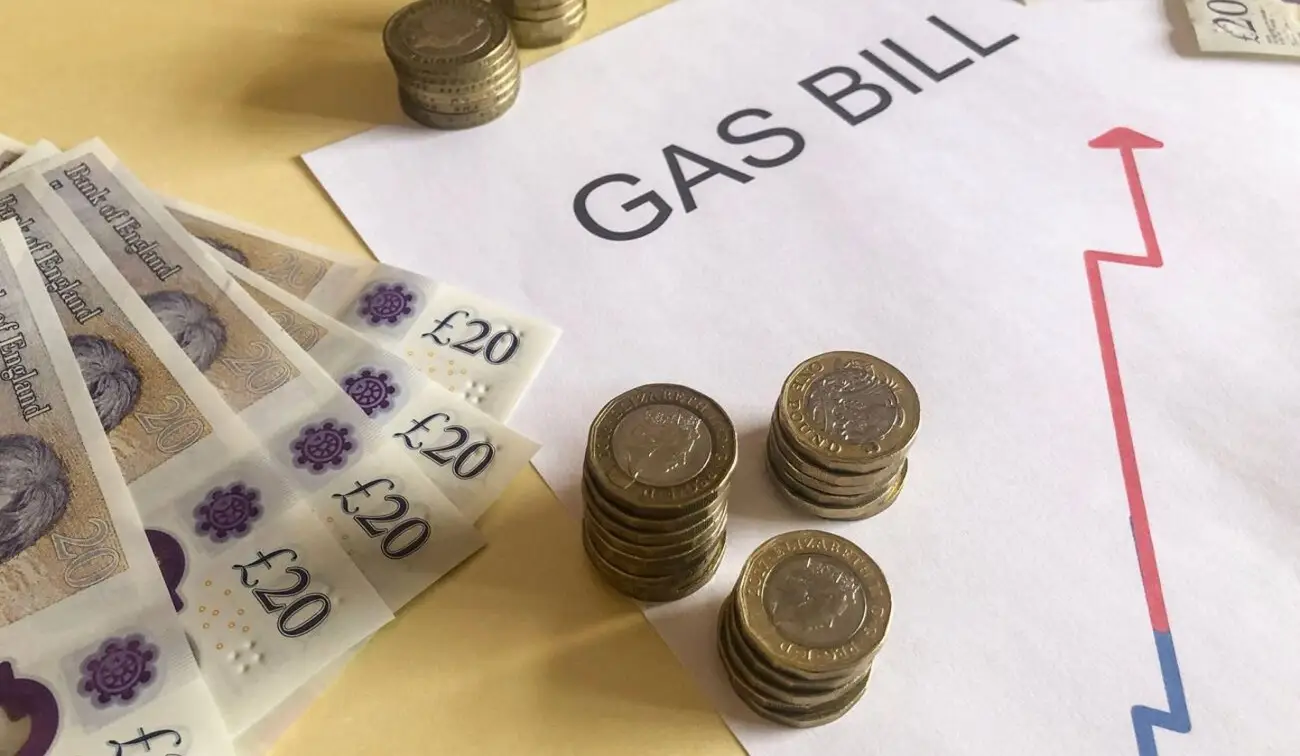
This trend is misleading. Before the Israeli/US attack on Iran at the end of February, the consensus was ‘Inflation would fall to 2% by April’. But the impact of the closure of the Strait of Hormuz and the Middle East hostilities quickly become apparent. Monthly inflation in both March and April averaged 0.7%, implying an annualised rate of over 6%. The monthly figure for May is much more normal at 0.2%: an annualised rate of 2.4%. But the main impact on energy prices has been delayed until the Ofgem (Office of Gas and Electricity Markets) price cap rise in July. On its own, it will cause an increase in the consumer price index (CPI) of 0.7%. However, the UK Inflation outlook in 2026 seems unpredictable.
Inflation and Middle East conflict: Supply of Oil
UK Inflation outlook in 2026 depends on Hormuz. The closure of the Strait of Hormuz to shipping has driven up oil prices over the past three months. The behaviour of inflation in the first months since the start of the conflict seems to be the initial ‘impact effect’ of the closure of the Strait of Hormuz. The world’s supply of oil experienced a 20% reduction. The longer-run effects depend on how long the strait’s closure remains. It also depends on how much of the energy infrastructure in the region was destroyed during the conflict.
Reopening the strait and restarting the flow of oil and its transport represent both a technical and logistical matter. The production of oil needs to start again. Production of liquid natural gas (LNG), alongside the supply chains underlying its transport, refining, and distribution, should start again. Analysts have warned, however, that if the deal collapses, oil prices may rebound, which could cause inflation to rise.
Three Alternative Scenarios for Inflation: Good
In the Good Scenario, the Strait of Hormuz opens again and remains open. The damage to energy infrastructure in Iran and the Gulf is not vast. In the good scenario, intact energy infrastructure means that once the production is restarted and the supply chain issues are sorted, the oil price will be back. It would be like what there was before the Israeli/US attack.
But even in the good scenario, the fact that the strait was closed for over a quarter will pose problems in the coming months. Energy storage levels are at historic lows. The flow of oil and LNG will not resume at scale for several months. Energy shortages are almost inevitable in the third and possibly fourth quarters of 2026. Moreover, prices may well increase further or remain elevated before they start to come down.
Three Alternative Scenarios for Inflation: Bad and Ugly
In the bad scenario, the Strait of Hormuz is reopened and remains open, but the damage to the energy infrastructure is extensive. Even when the oil and LNG start flowing, there is less of it for a period of years. This means that oil prices will remain higher, and so the decline in inflation will be slower.
In the ugly scenario, the Strait of Hormuz remains closed. If the closure of the strait remains for most of 2026, then the supply shortages will become very real. Moreover, they can be expected to lead to a much higher oil price. Oil is not the whole story: there are many other commodities, such as fertiliser, which come out of the Persian Gulf. All of these will lead to shortages that will become increasingly apparent the longer the strait remains closed. A crisis in food production is one very real possibility.
UK Inflation Outlook in 2026: Good, Bad, Ugly Scenarios
The good and bad scenarios share a common path until the end of 2026: inflation peaks at around 4% in November. Thereafter, the paths diverge: in the good scenario, inflation falls and reaches 2.7% by May 2027. Under the bad scenario, it falls less slowly and is still at 3.3% next May.
Under the ugly scenario, inflation increases to 7% and remains high. This scenario is the hardest to model with confidence: the inflation shock here is almost certainly larger than the one following Russia’s full-scale invasion of Ukraine, so that inflation may rise to much higher levels.