Northern Ireland Unrest: A Sign of Deeper Social and Political Problems
Once again, Northern Ireland has shown that achieving political and social stability may prove to be very challenging. The
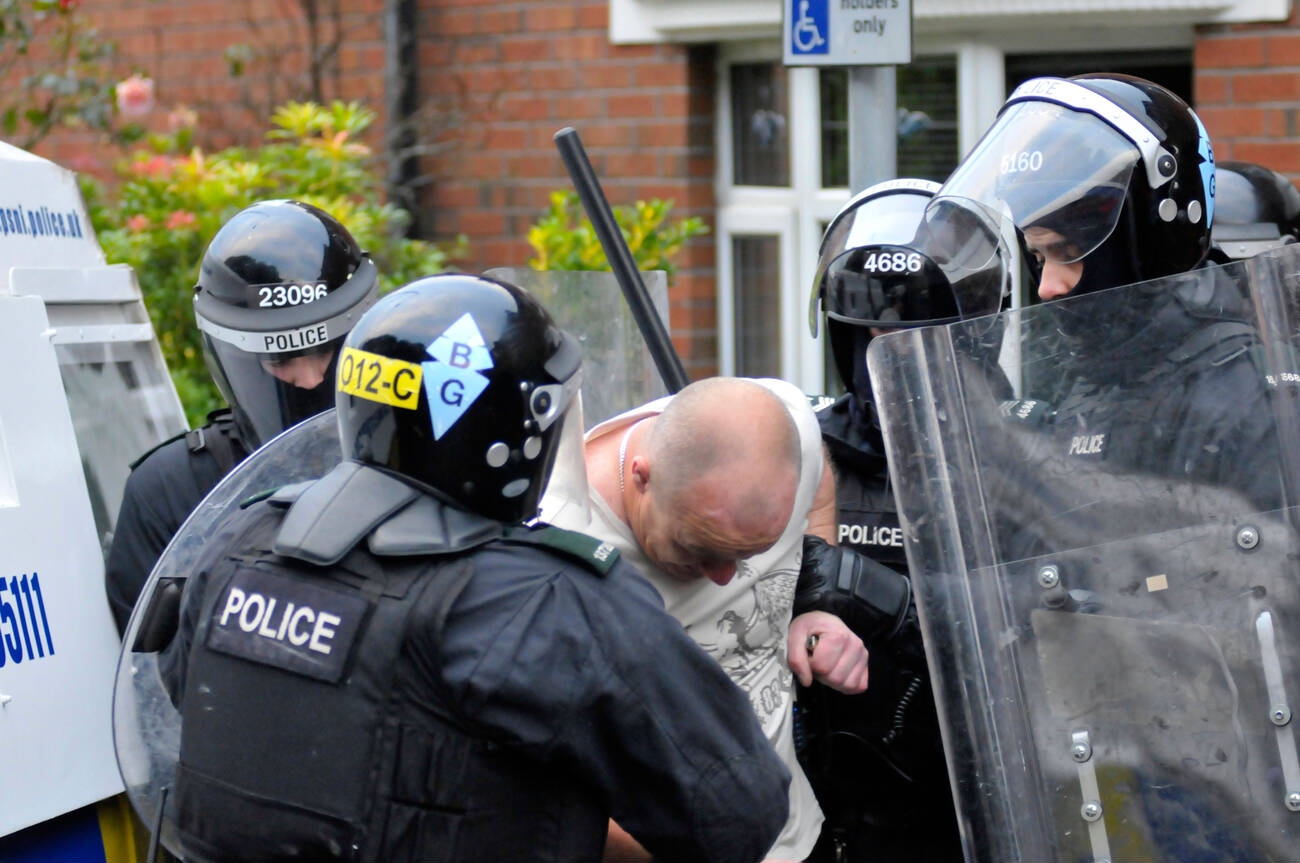
Once again, Northern Ireland has shown that achieving political and social stability may prove to be very challenging. The recent wave of violence in Belfast started when an immigrant allegedly assaulted somebody on the streets. A simple act of crime soon transformed into anti-immigration and racist disturbances. Police used water cannons, plastic baton rounds, and other crowd-control measures, showing that the unrest had grown far beyond a local disturbance.
The situation brought to light the broader issues related to crisis in Northern Ireland, the problems of order, integration, and relations between different communities. A UK official called the wave of violence racial thuggery. Thus, questions arose about the reasons that caused such disturbances to happen. Clearly, this is the result of long-standing social and economic problems, and the recent events are evidence of those problems. This article examines the causes, consequences, and wider social implications of the recent Northern Ireland unrest.
From a Criminal Act to Public Disorder
The current unrest started after the discovery of an alleged stabbing crime in Belfast. Following this incident, there were protests in different parts of the city. The nature of these protests soon began to take a very different form. Witnesses and reports indicated that some protesters targeted minority groups, including immigrants. Property destruction, clashes between protesters and police forces, and violence against homes raised worries among locals.
Efforts made to deal with the matter saw the involvement of substantial resources by authorities. This included the use of riot equipment such as plastic bullets and water cannons. It is rare to see the use of such measures, indicating how serious the issue has become.
The Influence of Anti-Immigrant Views
Anti-immigrant views have played an important role in the worsening of crisis in Northern Ireland and the situation in Belfast. Public debates about migration have created growing tensions across different parts of the UK. In Northern Ireland, this topic may often overlap with the pre-existing social and political differences between people.
Social problems and economic insecurity may intensify the tension in society. People who feel marginalized and think that state institutions do not help them might be easily influenced by the anti-migrant speech. The recent Northern Ireland unrest provides a good example of the speed at which social frustration may lead to the targeting of minority groups.
Government Response to the Northern Ireland Unrest and Issues of Leadership
The government authorities criticized the violence very harshly and promised to punish those who were involved. Emergency measures restored order in the affected areas. But, there is an opinion that all these efforts deal only with the symptoms of the disease. Many observers say that this pattern repeats itself. A crisis happens, violence increases, authorities deploy emergency measures, and officials promise stricter control. It seems like this is what calms down people for the moment, but there is no tackling of the root causes. There are serious issues of leadership and prevention involved here.
Historical Rifts and Social Vulnerability
The history of Northern Ireland is one that has many layers and complications. Years of political conflict, identity politics, and social rifts have created a number of problems in society that still remain. While there have certainly been positive developments over the years since the peace process, a great deal of basic tension continues to persist.
It is not uncommon for societies to find themselves divided in various ways according to culture, religion, and politics. These divides can contribute to the potential for social instability, particularly under conditions of stress. Economic troubles and political turmoil can contribute to this risk. The Crisis in Northern Ireland must be viewed through this historical view. This history also helps explain the persistence of the Northern Ireland unrest.
The Economic Factor and Social Frustration
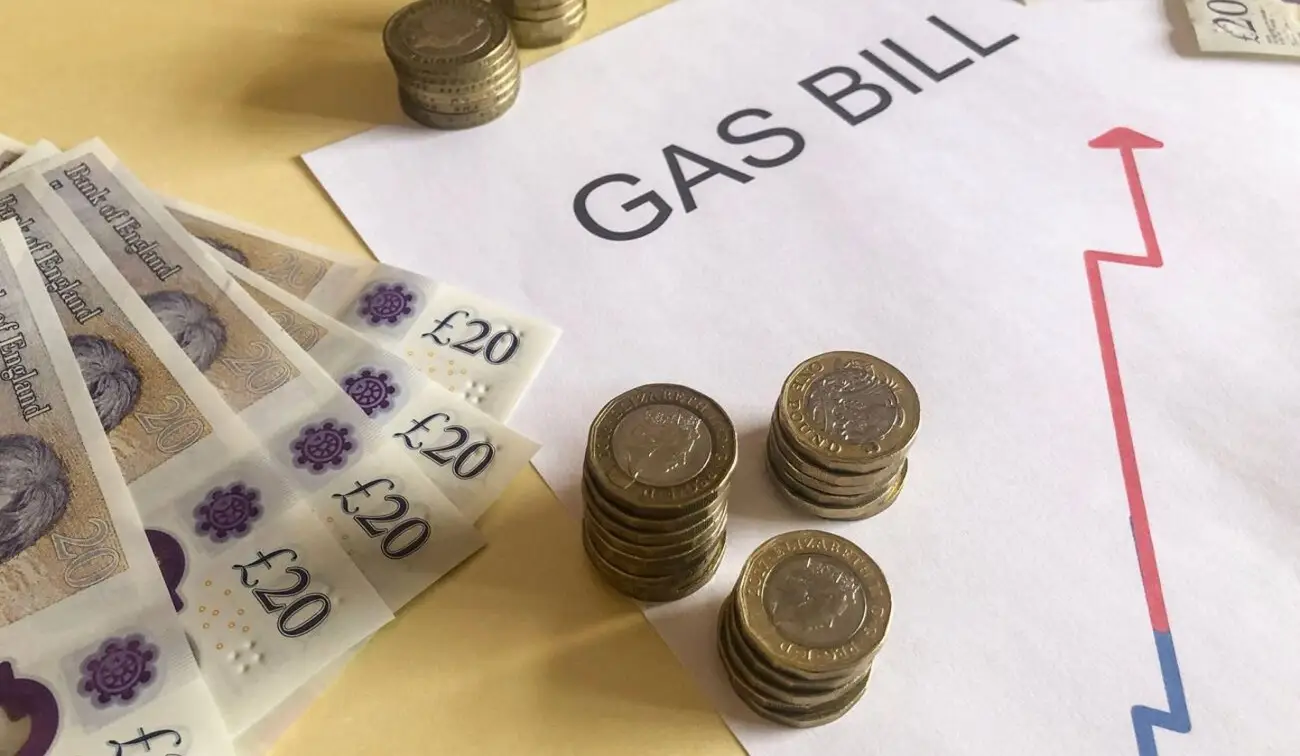
The economic aspects of this problem also need to be considered. The increase in prices affects the living standards of British people in various regions. A lot of citizens face problems with housing, energy bills, and accessibility of services in general. Official statistics show that 12% of people in Northern Ireland, around 232,000 individuals, were living in relative poverty in 2024–25. Sometimes people feel neglected by the local authorities and face economic hardships and infrastructure problems.
All these factors can create frustration in society, and some politicians use that frustration to blame migration for wider social and economic problems. But many scholars agree that there are other underlying factors behind the current economic situation. Otherwise, it will be impossible to resolve social tension and conflicts.
Importance of Social Trust
Social trust is vital in ensuring stability. Stable communities need to be those where members of society have confidence in government systems and feel included in policy making. However, people may lose trust when governments and institutions fail to listen to their concerns.
The ongoing unrest shows that the members of society feel separated from policymakers. As a result, it leads to more people becoming supportive of such stories and having ill feelings towards minorities. To create social trust, police presence alone is not enough. It takes investments in education, homes, jobs, and general community development. Moreover, local leaders should ensure that dialogue is made possible between various groups.
Going Beyond Security Fixes
Security interventions continue to be necessary in periods of unrest. It is the role of the police to safeguard citizens and prevent violence. But for lasting peace to take root, deeper social concerns need to be addressed.
Northern Ireland confronts societal issues that go beyond the maintenance of public safety. Moreover, these challenges continue to shape the Northern Ireland unrest. They include economic disparities, political dissatisfaction, divisions based on ethnic identity, and opposition to immigrants. The policymakers need to understand that they all form a complex web. A security-only fix will only create a brief peace.
Restoring Trust during the Crisis in Northern Ireland
The latest disturbances in Belfast is a precursor to the more fundamental issues facing Northern Ireland. Though the government managed to control the situation, many of the problems continue to exist. Furthermore, the current Crisis in Northern Ireland reflects challenges that have been building for years.
The disturbances raised issues such as immigration, lack of trust, economic stress, and politics. As the Northern Ireland unrest shows, governments can no longer rely on policing measures alone to maintain stability. Maintainable stability is dependent on improved social cohesion and community involvement. Therefore, without resolving the sources of discontent, future disturbances may occur again. The real issue facing Northern Ireland is restoring trust before another outbreak occurs.