


Nigel Farage’s Resignation and Reform UK’s Rise: Political Tactic or Sign of a Bigger Problem?
Nigel Farage’s resignation has raised fresh questions about the future of Reform UK and the direction of British politics.

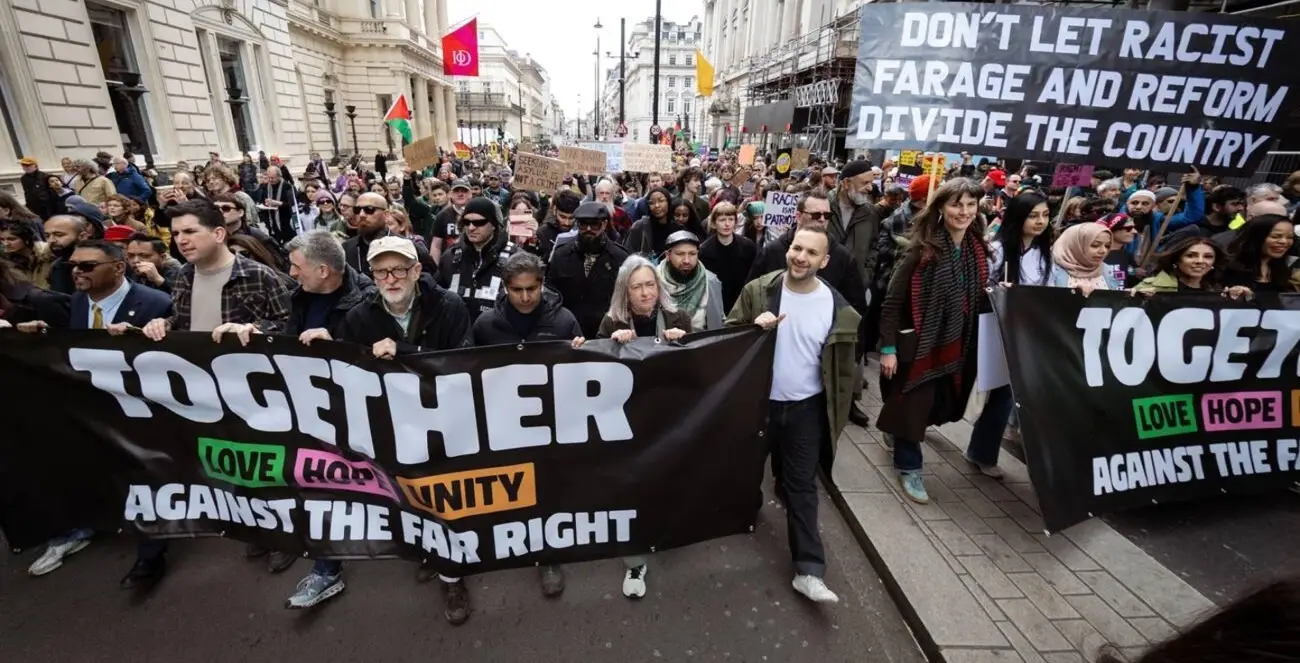
Nigel Farage’s resignation has raised fresh questions about the future of Reform UK and the direction of British politics. Political scientist Greg Simons argues that Farage’s departure reflects deeper problems within Reform UK and the wider political establishment, including growing public distrust and a loss of credibility in mainstream politics.
1. What does Nigel Farage’s resignation mean for the future of Reform UK and its growing influence in British politics?
I think that it means very little. Farage was what you would call controlled political opposition. It was his job and task to draw votes from genuine political opposition through the facade of his opposition to the establishment political class. The party shall find someone else that is ‘reliable’ for the task.
2. Was Nigel Farage’s resignation a carefully calculated political tactic, or does it reveal deeper problems within Reform UK?
His resignation likely came because his persona and deception became compromised. This meant he was now a liability to the political system so he needed to fall on his sword. It was most definitely a careful political calculation. It not only reveals problems and flaws in the Reform UK Party, but in establishment mass politics in general.
3. How could Nigel Farage’s resignation affect Reform UK’s strategy and its chances of attracting more voters at future elections?
Farage’s political brand was compromised, so they needed to jettison him. They shall find someone else that is able to talk the talk and be visually appealing to the UK voting public that is critical of mainstream establishment politics.
4. Does Reform UK’s rise reflect genuine public support for Nigel Farage’s political agenda, or is it mainly a protest against the Labour and Conservative parties?
This is a matter of political marketing, Reform UK’s rise reflected a public demand and need for a political party that seemed to challenge the mainstream orthodoxy of neo-liberal politics.
Therefore, Reform UK intended to be a magnet for those that would vote against the political establishment, such as Labour and Conservatives. Farage was the face of this goal, someone that on the surface did not appear to be political establishment and mainstream.
5. Could Nigel Farage’s resignation create a leadership crisis within Reform UK, or might it actually strengthen the party’s political position?
The crisis in Reform UK is actually wider than this one party, it is connected to the crisis of mainstream establishment politics that no longer represents the will or interests of the UK public who are becoming detached politically and against the mainstream. This is an exercise of musical chairs as a form of desperate crisis management to reset the facade to continue the political game a bit longer.
6. What does the rise of Reform UK tell us about the future of British politics, and could Nigel Farage’s resignation mark the beginning of a major political realignment?
It reveals the erosion and decline of mainstream liberal democracy in the UK and the desperate countermeasures to try and slow this decline. However, the system politically, economically and socially is not sustainable and shall eventually collapse.
The first part of the decline is the loss of credibility and legitimacy of the system in the eyes of the public. Reform UK was intended to prevent the rise of genuine political opposition that was actually against the agenda and intent of the political establishment.