
Disaster in UK Wildfire in West Midlands: Lack of Preparedness and Government Accountability
The UK has been confronted with a UK wildfire disaster due to extremely hot and dry weather conditions, which
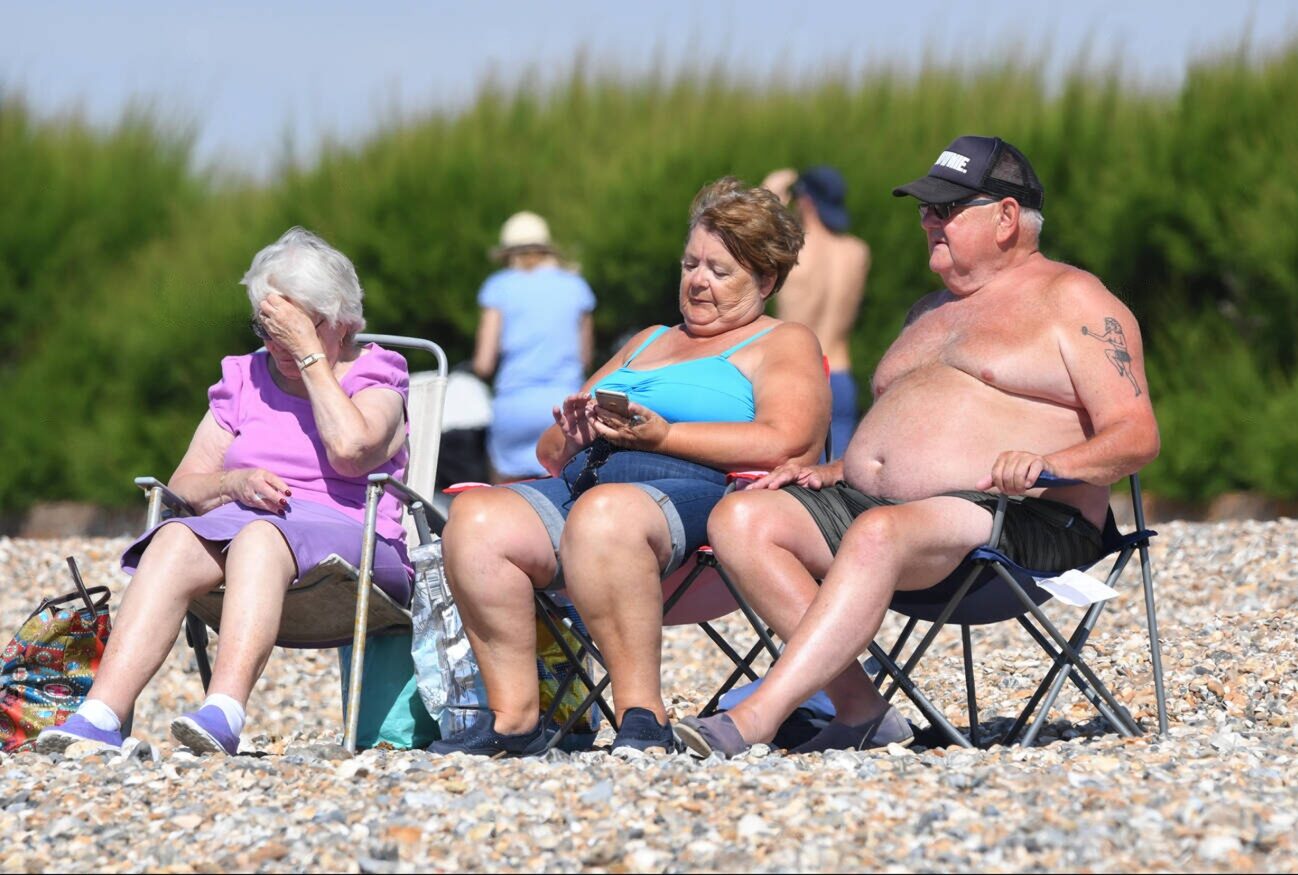
The UK has been confronted with a UK wildfire disaster due to extremely hot and dry weather conditions, which led to fire outbreaks in various parts of the country. Stourbridge in the West Midlands became one of the most evident examples of the magnitude of the issue. The fire broke out in dry grasslands and quickly moved towards woodland and the houses.
As a result of the fire, 19 houses were completely burned down, and 18 others were damaged. In total, 54 people had to receive medical care, including the firefighters. The UK heatwave has therefore created a wider public safety concern. The number of fires in England and Wales already exceeded the last annual record of 1,017. The article examines the challenges wildfires pose to communities and emergency services in the UK and the government’s accountability.
UK wildfire: Scale of the Disaster in Stourbridge
The fire started in the grassland under conditions of very hot and dry weather in Stourbridge. Strong winds coupled with dry plants facilitated its spread, and the fire also moved to houses and forests, making it compulsory for the occupants to vacate their houses. The disaster had many effects. The fire destroyed 19 houses and damaged another 18. Over 50 individuals needed medical attention. Some firefighters also needed treatment at the hospital. The difficult weather conditions also put a heavy strain on emergency services, as firefighters had to respond to several emergencies across the area.
UK heatwave: Britain’s High Temperatures Create Danger
The Stourbridge incident does not stand alone. Britain has been having an exceptionally hot summer. As a matter of fact, this is the fifth heat wave that Britain has had in the year. On 13th August, temperatures peaked at 38.1°C at Kew Gardens. Hot, dry earth is highly conducive to grass and vegetation fires. When a fire outbreak occurs, it spreads quickly across open ground, while winds may blow sparks to residential areas and woods. Such circumstances have turned Britain’s heat wave into a much more serious issue than just meteorological news. It has turned into a question of public safety. The UK heatwave has made this danger more visible across the country.
Fire Services Feeling the Heat
Firefighters have been under tremendous strain during the present crisis. There have been more than 1,000 wildfires this year in both England and Wales. The number has been above the previous highest number of 1,017 fires reported in 2025. But the situation is not just about the number of fires.
Fire crews have to fight in extreme heat conditions and deal with multiple fires at one go. Some fire services have even required support from other areas and the military. The growing UK wildfire problem has placed additional pressure on emergency services. This brings up the issue of Britain’s future firefighting capabilities. As a recent report in the Financial Times mentions, the number of firefighters in England is down 41% from its peak in 2009. At the same time, fire emergencies are up 19% in the year to March 2026.
Heatwave in the UK – A Sign of Climate Change Problem
The heat has altered the environment in which British emergency services work. For Britain, most systems appear to have been designed around milder summer weather. The current UK heatwave has put this idea into question. Higher temperatures have been linked to a greater likelihood of extreme heat and wildfire conditions in many cases.
The Stourbridge incident has therefore brought up again the discussion about the country’s capacity to adapt to climate change. It is important to remember that each fire may have started for several different reasons. Human activity may also be a cause of wildfires. However, heat, drought, and dried plants help fires to spread more quickly. These conditions can make a UK wildfire much harder to control.
The Response by the Government
The Prime Minister, Mr. Andy Burnham, himself described Britain as a “tinderbox” in the present crisis. The military has sent help to affected areas. Authorities have also banned disposable barbecues for a limited period. They have warned people across England and Wales about the risk of wildfires. All of this may prove helpful in minimizing the immediate danger.
At the same time, such a response indicates that the government has recognized the seriousness of the situation. Nevertheless, emergency responses cannot take the place of preparedness. What remains to be seen is whether Britain can evolve an effective system for handling the worsening heat and fire conditions.
Prevention Is the Biggest Issue
The biggest problem when it comes to politics is how to address prevention. The response tends to be very strong once there is an ongoing disaster. It is much more difficult to plan for risks prior to their becoming disasters. Fire chiefs have issued warnings about the increasing size of wildfires. There have been problems with staff and equipment as well.
The British government has pledged increased funding for wildfire equipment and training, with a pledge of £97 million. However, the increasing frequency of these fires shows that Britain needs something beyond emergency funding. Britain needs to have a national policy on fire prevention. Such a policy could reduce the risks associated with a UK wildfire.
Human Toll behind the Figures
Figures cannot convey all that has happened in Stourbridge. The spreading fire forced residents to leave their homes as it reached residential areas. Families have lost all of their possessions. Moreover, there will be some difficulties after such disasters occur. Evacuated people will need temporary sheltering and financial help with reconstruction. Communities will also have to cope with destroyed landscapes and infrastructure. This example proves that the UK wildfire problem is not limited to the scope of emergency services discussion only.
A New Preparedness Strategy is needed for Britain
Britain will not be able to prevent every wildfire that occurs. However, it can limit the damage that such fires may do. This is possible only through preparedness prior to the next heat wave. Fire services require a sufficient number of personnel who can handle multiple fire breakouts at once. In addition, they require adequate transport, water, planes, and communications.
Local governments should have detailed evacuation plans for those areas that are regularly subject to wildfires. Moreover, the British government needs improved interaction between its climate change policies and emergency response plans. The current British heat wave has proved it. The UK heatwave has shown why these preparations cannot wait.
Political Accountability
It is necessary to praise the firefighters because they worked under very hard conditions and saved communities while putting their lives at great risk. Burnham and other political leaders have rightly done this. Nevertheless, political leaders must answer whether they had prepared adequately for such an event.
Why was there such pressure on the fire service? Have the warnings about the possibility of wildfires been considered in the plans? Is Britain ready to deal with several big fires simultaneously? This does not mean undervaluing the accomplishments of firefighters but distinguishing the two spheres – responding to emergencies and political accountability.
Time to Show Accountability
The Stourbridge incident has revealed the vulnerabilities of communities experiencing very high temperatures and dry conditions. Nineteen houses have been burned, and 18 others have been affected in some way. Over 50 individuals had to seek medical assistance. On top of that, Britain broke its annual record regarding wildfires.
It is true that the emergency response has highlighted the courage of firefighters and other emergency service providers. However, Britain cannot depend only on the bravery of these individuals. What the country requires is more prevention, more equipment, and a sufficient number of personnel to deal with multiple disasters at once.
Scientists consider climate crisis and global warming to be the main cause of the problem. However, UK Officials refrain from directly pointing to this issue. Moreover, the officials’ superficial reaction indicates a failure in planning and preparedness. Officials ignored years of warnings about the increased risk of fire during drought conditions. Neglecting prevention and the lack of adequate investment have exacted a heavy toll on the people in the affected regions. The government must be accountable for the UK Wildfire disaster.