


How UK Military Jets Embody Britain’s Modern Strategy Against Russia
The UK has recently taken huge steps against Russia, both economically and militarily. Economically as well as militarily, the

The UK has recently taken huge steps against Russia, both economically and militarily. Economically as well as militarily, the UK and other allies have frozen massive Russian cash, some of which could be remitted to Ukraine. Militarily, UK military jets have spearheaded NATO flybys in front of Russia’s borders. Together, they send stack-up messages. Economic sanctions aim to limit Russia’s ability to finance its war effort, while armed intervention signals preparedness and integration into alliances. The essay examines the reasons, risks, and implications of Britain’s twin strategy.
Economic Coercion by Asset Freezing
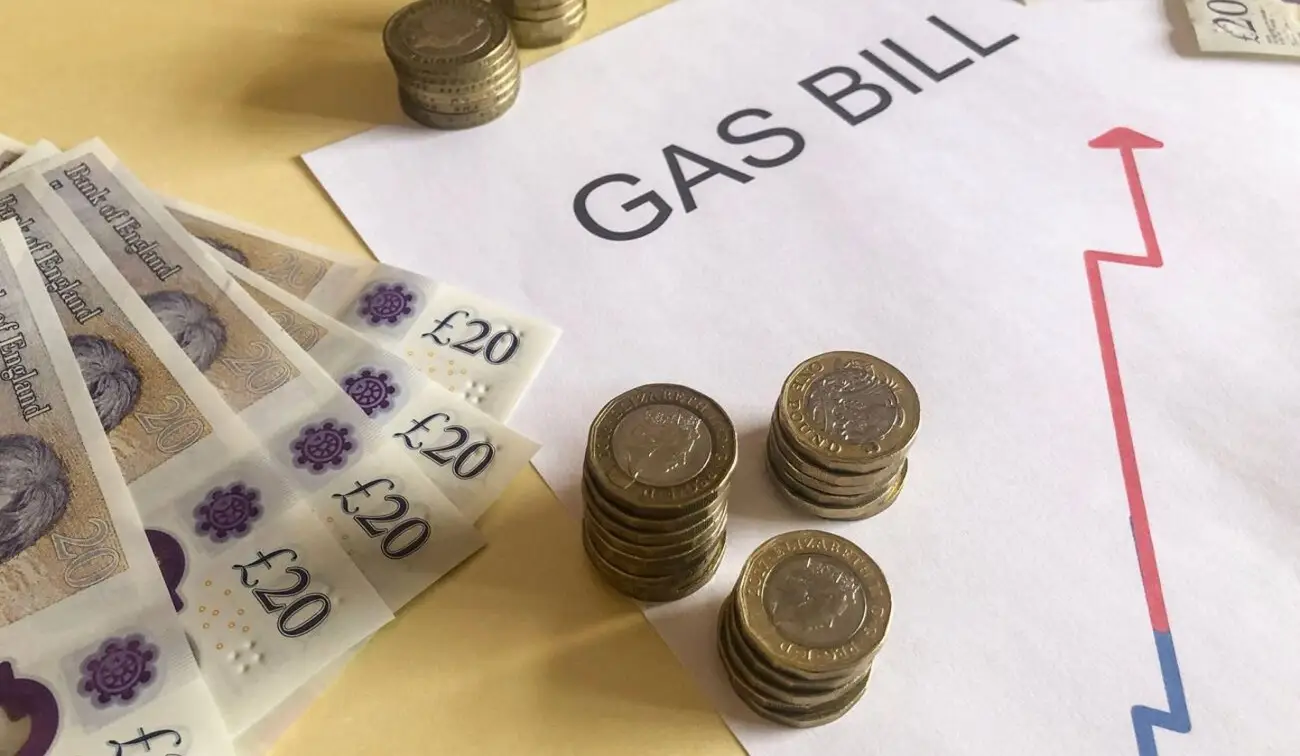
As war breaks out, Britain and its allies have shut off massive amounts of Russian cash. Regardless of the amounts reported, it is clear that Russia has been denied access to substantial funds. Allocating some of this cash to Ukraine is real aid for reconstruction and defense. Freezing assets is a form of pressure that avoids resorting to military force. It is targeted at the Russian government and certain private enterprises, thereby reducing Moscow’s capacity to fund military intervention abroad. Experts view such steps as indirect and as limiting Russia’s options for waging the war.
Strategic Significance of Utilizing Russian Assets
Freezing Ukraine’s assets is a move from passive to active economic sanctions. The strategic and moral justification for the UK is that Russia must be punished at a cost. Domestically, it employs Russian funds rather than taxpayers’, thus more populist. Moscow still sees it as aggressive, putting pressure on other nations’ relations. This is another example of economic levers combined with military action, employing a two-layered approach to influence Russia’s choices.
Military Signaling Through Joint Patrols with UK Military Jets
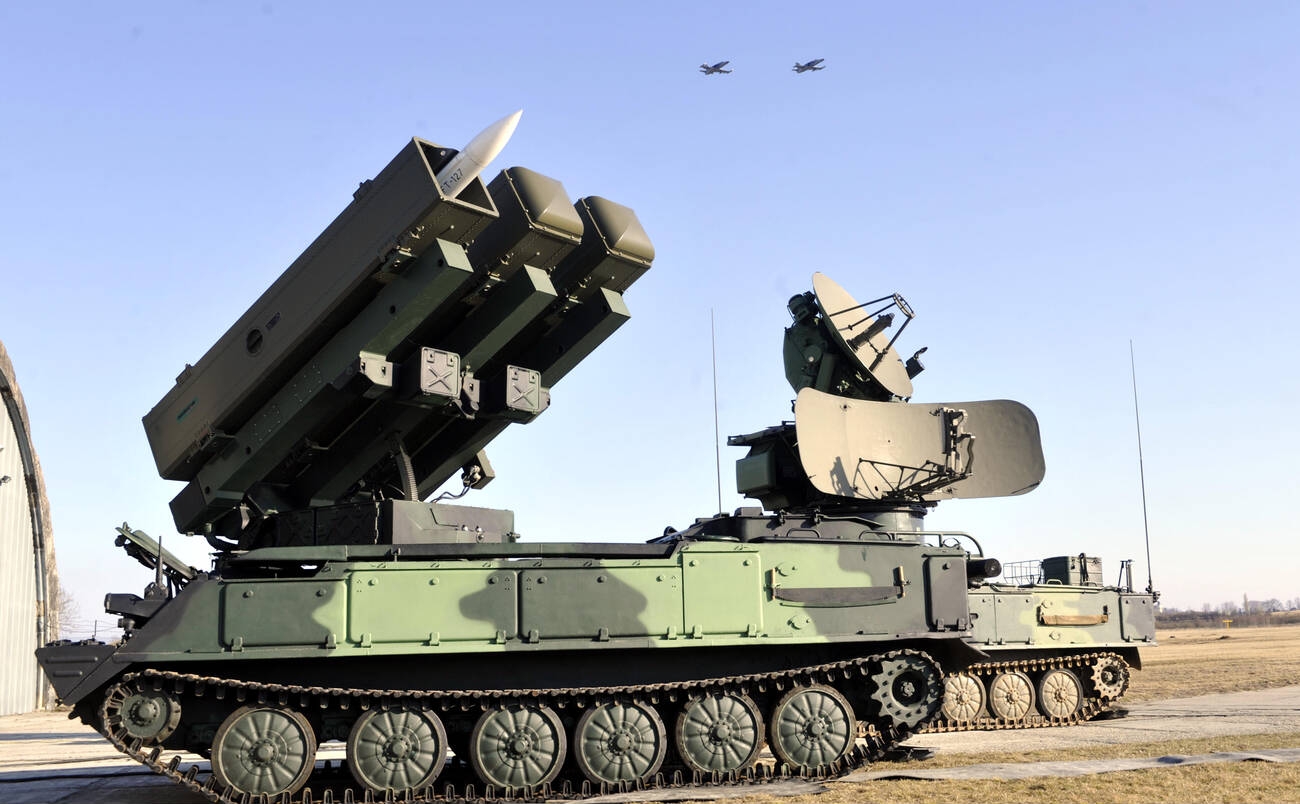
At the same time, UK military jets have conducted sorties alongside NATO allies against the Russian border. The patrol flights seek to deter aggression, promote allied solidarity, and demonstrate the alliance’s solidarity. Sorties lasting 10–12 hours or more are also customary with US, German, Norwegian, and British fighter aircraft. Statistics are not released, but the truth is that Britain is leading these efforts. These patrols increase training, increase interoperability, and demonstrate NATO’s capability to act as one. In the meantime, the UK’s military jets’ presence is observed as a strategic message to Moscow, showing readiness.
Deterrence and Alliance Unity
UK military jets providing cover for NATO operations constitute collective defense. The flights guarantee allies and are designed to do the job properly; violence will be dealt with collectively. Military experts say these exercises give pilots from across the world a chance to gain hands-on experience flying alongside one another, which is the requirement of the time for air defense. The fact that UK military jets are simply in proximity to the Russian border is deterrence without an actual attempt to do so. Britain is demonstrating its commitment to alliance unity and European security in these patrols. These patrols facilitate both strategic messaging and tactical exercise.
Economic and Military Strategy Combined
Britain’s use of economic sanctions and UK military jets is the ultimate hybrid tactic. Economic levers choke Russian bargaining position in the long term, and ground forces deter short-term goading. Together, the measures constitute a multi-dimensional pressure point short of outright war. Harmony with NATO’s allies guarantees unity. This is what France, Germany, and the US have adopted in forming a collective front. Analysts think the syncretism of the steps also entails compromising peace by increasing the risk of escalation, with collective steps viewed as an open threat to Russia.
Risks of Escalation
The twin-track policy is efficacious but dangerous. Isolating finance from Russia will discourage others from economic precedents. Occasional UK military jet flybys off the coast of Russia can lead to crashes or mistakes. History has proven such perils. Russian and British aircraft flew in proximity to each other at risk at one stage, demonstrating how routine patrolling can easily get out of control. Close coordination and communication must be maintained to avoid unintended crises without compromising deterrence.
European and International Reactions
Britain’s European friends overall are supporting its move. France and Germany have, as already mentioned, frozen assets and partnered on patrols, and the US also backed London’s move. Around the world, there are all kinds of responses: governments are apprehensive about challenges through the law, and Russia reacted to sanctions and NATO patrols. Despite the outrage, Britain remains committed to defending international law and democracy. The joint threat of economic and military retaliation is a clear message: The West stands together as prepared to retaliate against aggression but not to fight a war.
Domestic Opinion
The British public attitude is favourable but not polarised. Most people support using Russian money to help Ukraine, while others fear political or legal backlash. The use of UK military jets is also problematic: for some politicians, caution and national interest prevail, while others prioritize international security and national credibility. Britain’s policy, therefore, has to balance the advantages of domestic popular opinion and foreign objectives. The government wishes to sustain popular backing while also demonstrating global leadership and leadership in NATO security.
Future Considerations and Strategic Implications
In the coming years, Britain’s two-track policy will continue. Sanctions or independent economic policy action would likely be the reaction to NATO reconnaissance being succeeded by British tactical air. An ongoing hybrid response can limit Russia’s room for maneuver and preserve alliance cohesion. But extended patrols and sanctions are risky. Russian retaliation or miscalculation can drive events toward war. Britain and its allies must use pragmatic diplomacy and a calibrated response to maintain pressure without triggering hostilities. It is the textbook definition of the new hybrid deterrence, a blend of dollars, militarism, and signaling.
Balancing Deterrence and Diplomacy
The employment of economic sanctions and British fighter planes by Britain is a new hybrid strategy. By combining economic actions with military sabre-rattling, Britain is trying to pressure Russia while being in a position to demonstrate NATO unity. Victory is a slippery concord. Policymakers should maintain credible yet limited deterrence and exercise restraint to keep actions from escalating into confrontation. The dual-track policy adds the extra importance of economic and military instrument convergence in international security. It can complement Western pressure on Russia without increasing the risk of war if handled well.