
Andy Burnham’s Labour Conference: Will “Hope Again” Really Shape Britain’s Political Direction?
The Labour Party will have its annual conference in Liverpool at a time important for Andy Burnham and his
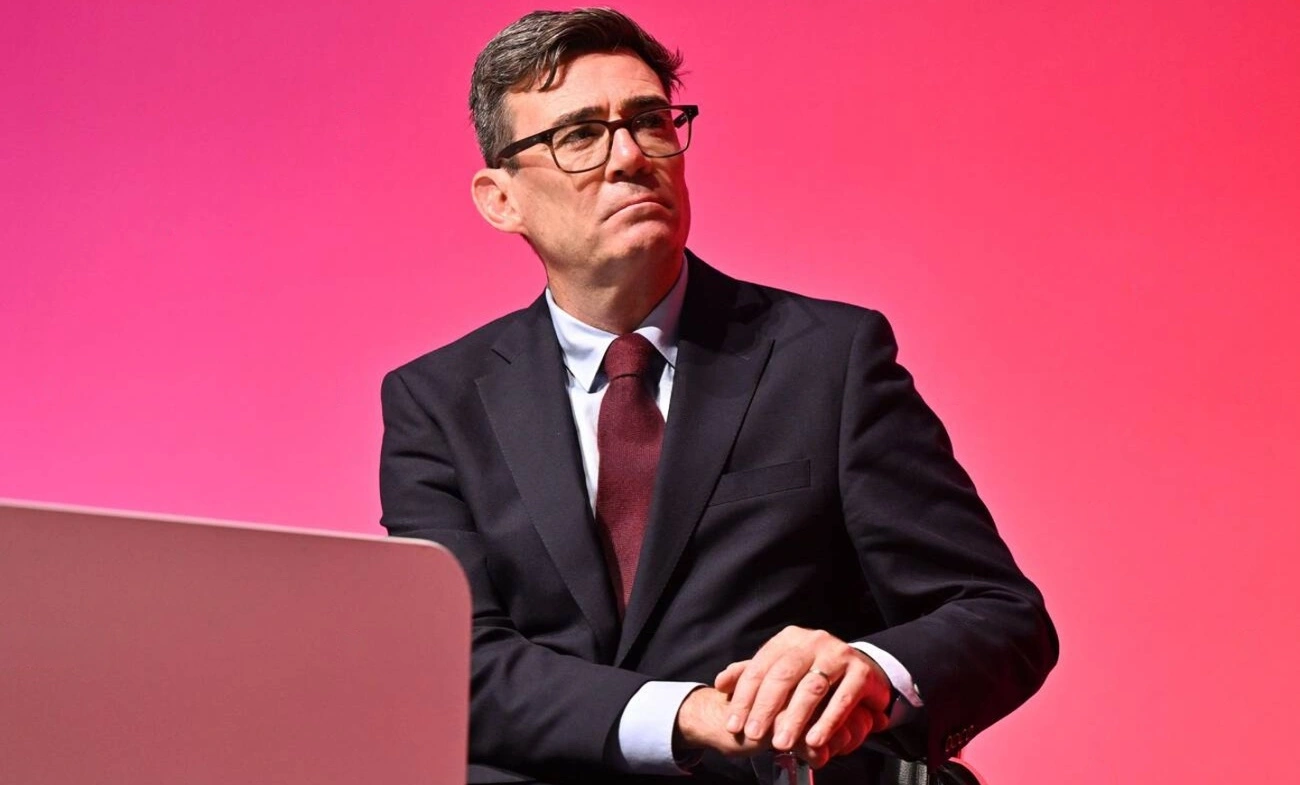
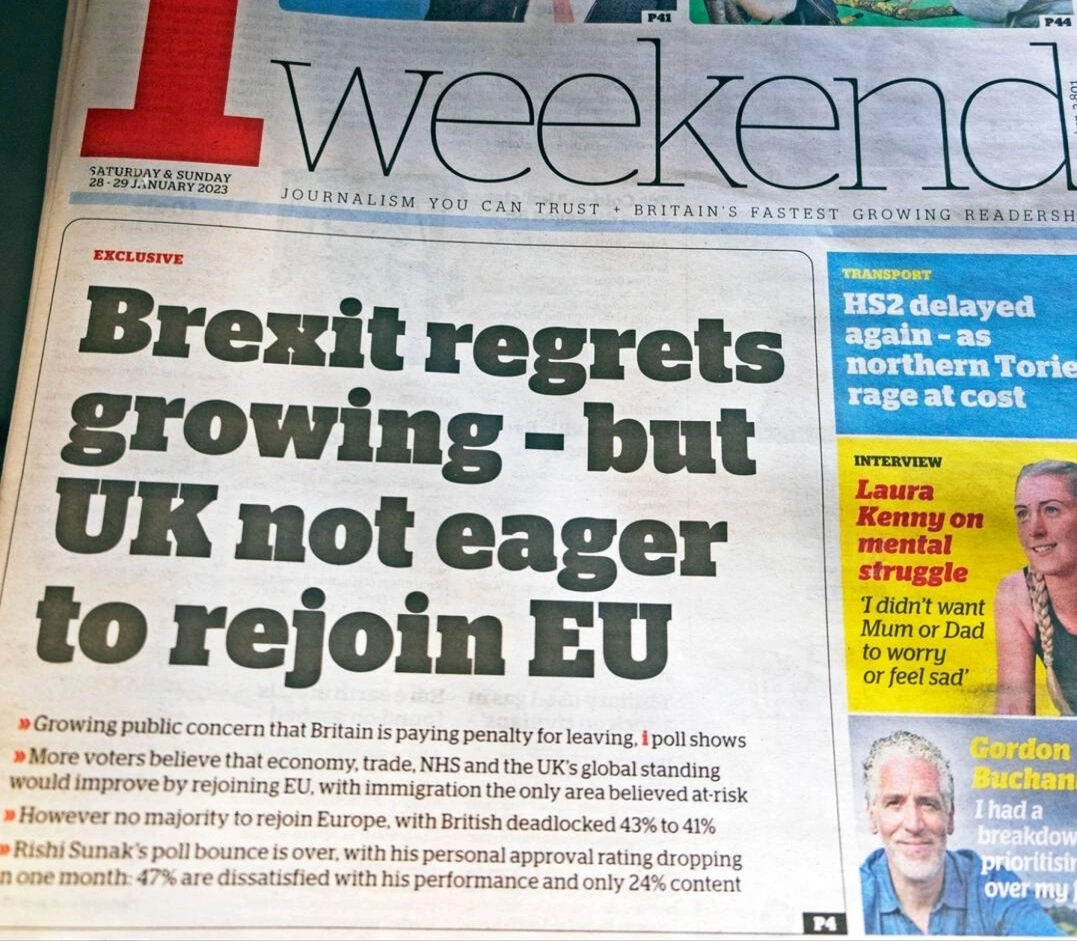
The Labour Party will have its annual conference in Liverpool at a time important for Andy Burnham and his government. This will be the first big Labour conference for Burnham, who is the prime minister and the leader of the Labour Party. Burnham has framed his conference as the occasion when the previous decade of political chaos in Britain since the Brexit will be left behind and the country will get its new political direction.
Hope, affordability, increased public management of vital services, and empowering local communities make up Burnham’s message. Labour’s “Hope Again” slogan is at the centre of that message. The article will explore Andy Burnham’s Labour Conference and how his agenda of “Hope Again” will shape policy decisions in terms of economy, cost of living, immigration, public services, housing, and devolution.
Labour’s “Hope Again” Slogan and the Quest for New Direction
The main thrust of the conference will definitely be on Labour’s “Hope Again” slogan. Burnham has used this slogan since he became the party’s leader. He argues that the country can find its way back to greater stability after ten years of political struggle.
The government has promised a new direction for the country. It has also proposed a ten-year programme to make life more affordable and give regions and communities more power.
The main problem that will be faced by the government is going from slogans to reality. Many voters are likely to welcome a government that focuses on making everyday life more affordable.
They may also value better public services and regional development. These all, however, need massive investment of public money. The government will have to work under financial limitations, especially at a time when the cost of borrowing is a major issue.
The Cost-of-Living Test
Cost of living will no doubt be among the most significant topics that Burnham will need to address at Andy Burnham’s Labour Conference. The prime minister has recognised the issue as one of the country’s main concerns. He has also promised measures to provide some temporary relief. Measures discussed by his government have included taking away VAT from electricity charges and the return to a £2 bus fare cap.
Trade unions are also calling for urgent measures to address their concerns. This could put pressure on the government to do more on energy bills, wages and household finances. However, the government has to strike a balance since additional measures to help families may prove costly to the government and will require an explanation of how these costs can be covered.
The North and the Question of National Balance
Regional inequality is another major part of Burnham’s political message. His experience as mayor of Greater Manchester strongly influences his approach to devolution. Before becoming prime minister, he proposed a stronger role for regions and even outlined plans for a “No 10 of the North”. He has argued that local communities should have more power to influence economic development and public services.
The approach could strengthen Labour’s appeal in northern England, where Burnham has built much of his political identity. However, the government also has to show that its regional strategy applies to the whole country.
A strong focus on northern England could raise concerns in London and the south. This could happen if voters feel that government investment is becoming too geographically unbalanced. Burnham therefore needs to present devolution as a national strategy rather than simply a northern political project.
Immigration Remains a Difficult Question
Immigration represents another major challenge for the conference. Harriet Harman has argued that Burnham must address the issue in his keynote speech and show how his government intends to control both Britain’s borders and the streets. Her comments reflect a wider concern inside Labour about the political consequences of failing to present a clear position on immigration.
The issue has become more difficult following continued Channel crossings. Sky News reported that 781 migrants crossed the Channel in a single day earlier this week, described as a new record for 2026. The issue has therefore remained highly visible ahead of the conference.
For Burnham, immigration creates a complicated political problem. Labour needs to maintain unity among different groups within the party while also responding to public concerns about border control. Avoiding the issue could allow opposition parties to define the debate for Labour at Andy Burnham’s Labour Conference.
Gaza and Pressure from Labour’s Left
Foreign policy could also expose divisions inside Labour during Andy Burnham’s Labour Conference. Burnham has inherited a debate over Britain’s approach to Israel and Gaza. Campaign groups including Momentum and the Palestine Solidarity Campaign have pushed for Labour to support a stronger position, including describing Israel’s actions in Gaza as genocide and imposing a full arms embargo.
Burnham, however, has argued that most delegates will support the government’s existing position on Israeli settlements. He has pointed to the changes made by Foreign Secretary Ed Miliband, including measures concerning goods from illegal West Bank settlements and concerns over the E1 development.
The disagreement shows a broader challenge for the new Labour leadership. Burnham wants to present the party as united and focused on governing. At the same time, different factions continue to demand stronger positions on international issues.
The Shadow of the Previous Labour Government
Burnham has repeatedly presented his leadership through Labour’s “Hope Again” slogan, as a break with the previous decade. He has described the coming period as a chance to move beyond the political turbulence associated with Brexit and to establish a new national direction.
However, changing the political message does not automatically remove the structural problems inherited by a new government. Weak growth, pressure on public services, high living costs and limited financial resources remain difficult issues.
Burnham must therefore show that his government can produce results rather than simply offer a different political tone. This distinction matters because voters finally judge governments through their daily experience.
Cheaper essentials, better housing, stronger public services and greater regional investment would provide measurable evidence of change. Without such results, the contrast with the previous government could remain largely rhetorical.
Andy Burnham’s Labour Conference as a Test of Political Credibility
Andy Burnham’s Labour Conference will give the prime minister a valuable opportunity to explain what his government wants to achieve and how it intends to achieve it. The conference comes before the October Budget and ahead of the government’s planned 10-year strategy, making the timing particularly important.
The challenge is therefore not simply to produce an optimistic speech. Burnham needs to connect his promises with specific policies, funding arrangements and measurable targets.
The same applies to issues such as immigration and foreign policy, where Labour faces internal disagreements and pressure from outside the party. The conference can help Burnham establish a coherent political narrative. Yet the strength of that narrative will finally depend on what follows. If the government can convert its promises into concrete actions about living costs, housing, public services and regional development, its new direction will become easier to assess.
A Political Message That Needs Policy Behind It
Andy Burnham’s Labour Conference has a clear political message. Andy Burnham wants to stop talking about the turbulence of the past decade, give Britain a new direction and persuade voters that the country can regain confidence. His plans for affordability, public services, housing and devolution form the main domestic elements of that message.
At the same time, several difficult questions remain unresolved. The government must deal with immigration, manage disagreements over Gaza and respond to pressure from trade unions. It must also finance its domestic ambitions while maintaining fiscal discipline.
The conference will therefore test whether Labour can turn optimism into a detailed governing programme. Labour’s “Hope Again” slogan may help Burnham communicate a sense of renewal, but the government will need to show what that hope means in practical terms.