

Andy Burnham’s First Military Deployment: Britain’s New Role in the Middle Eastern War
Not long after his appointment as Prime Minister of Great Britain, Andy Burnham made his first military deployment outside
Not long after his appointment as Prime Minister of Great Britain, Andy Burnham made his first military deployment outside of the country. Britain agreed to send military assistance to Saudi Arabia, which is currently under attack by Iran-supported Houthi fighters in Yemen. In particular, Burnham’s government decided to send an RAF Voyager aircraft, which will be providing air-to-air refueling for the Saudi aircraft.
According to the British government, the deployment is temporary, and it will be reviewed from time to time. Nevertheless, Burnham’s first military deployment shows a complete repositioning of the British government in relation to the current conflict in the Middle East. It came as a result of the official request from Saudi Arabia. Burnham’s first military deployment also marks an important moment in his government’s foreign policy. The paper looks at Burnham’s first military deployment and the danger of Britain’s involvement in the Middle East war.
Reasons Why Britain Joined the Saudi-Houthi War
The most obvious reason why Britain entered into the war between Saudi Arabia and the Houthis is because of the renewed war between Saudi Arabia and the Houthis. The Houthis have been attacking Saudi Arabia with missiles and drones, including one that attacked Riyadh and was intercepted by Saudi air defences. The Houthis have also moved closer to the Red Sea and Bab Al-Mandab Strait.
Saudi Arabia later sought help from some of its partners in defence. Britain reacted positively and offered the services of a Voyager tanker to assist in air-to-air refueling. The aircraft will operate from RAF Akrotiri in Cyprus to provide support to Saudi aircraft undertaking defensive missions. It should be noted that Britain is not going to offer any assistance to Saudi Arabia in attacking the positions of the Houthis in Yemen.
From a Limited Deployment to Burnham’s First Military Deployment
The UK government has described Burnham’s first military deployment as “limited. It will involve one aircraft for a few weeks, with the mission subject to review. On paper, there are obvious limitations that the deployment puts on Britain’s role.
The question here lies in what might happen if the crisis deepen. A limited military deployment often creates room for more aid to be provided if the situation worsens. In such a case, Saudi Arabia may call for more weapons for its air defence, manpower, or any other type of support.
Britain’s Long-Running Cooperation with Saudi Arabia
The recent decision by the British government has been informed by Britain’s long-running cooperation with Saudi Arabia on defence. For a long time now, there have been strong relations between the two nations in terms of military cooperation and training, and Britain continues to be one of the major military partners of Saudi Arabia.
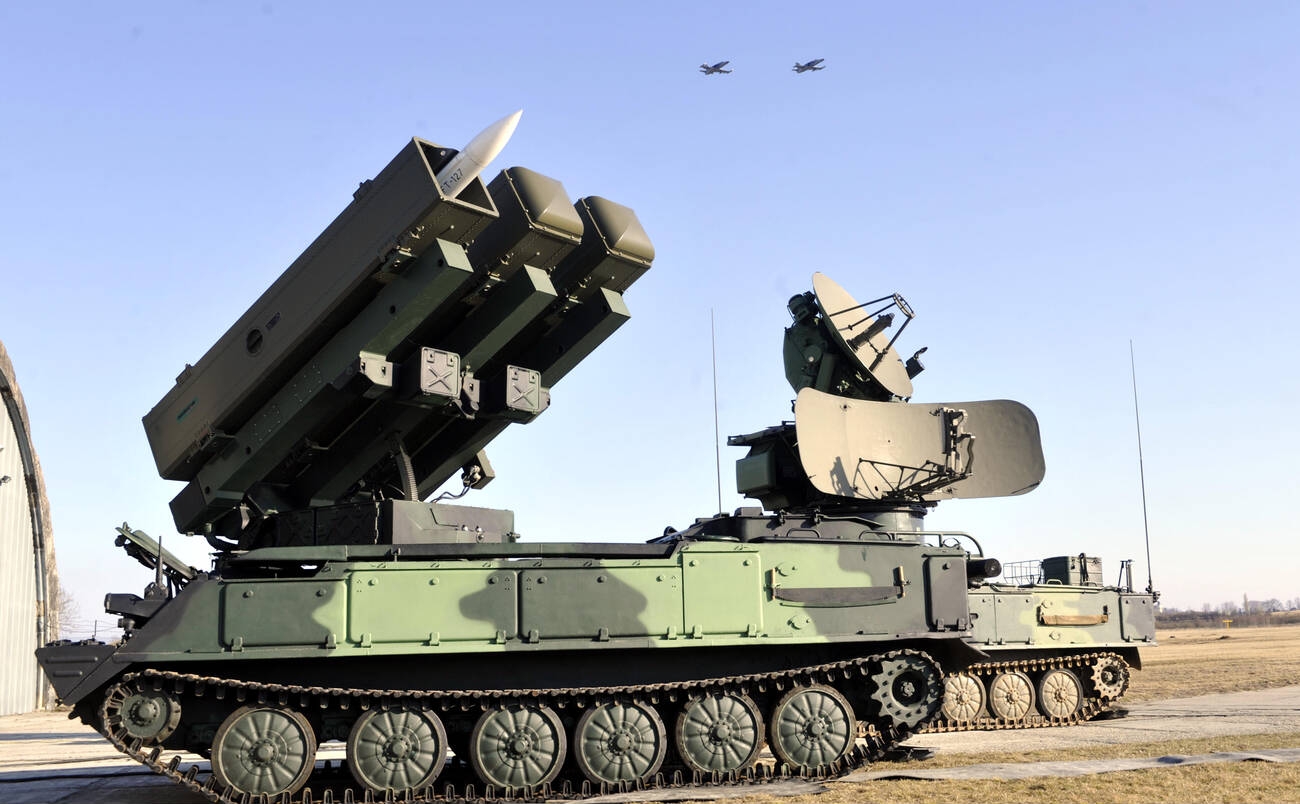
Already in 2026, Britain had sent the Sky Sabre air-defence system to Saudi Arabia together with British troops to help protect the kingdom against the threats of missile and drone attacks.
The new task thus does not amount to the introduction of new military cooperation between Britain and Saudi Arabia amid the ongoing crisis in the region. Instead, it adds another element to an already existing cooperation.
This cooperation brings about both opportunities and challenges for Britain. Burnham’s first military deployment reflects this existing relationship.
Experience with the Yemen War
British participation in the Yemen war is not a new issue. The involvement of Britain in the conflict began in 2015 when Saudi Arabia intervened in its neighbour’s affairs. The relationship has faced criticism from humanitarian organisations due to the human costs of the Yemen war.
The background of the Yemen conflict is relevant to the current choice since it illustrates how tricky it could be to draw a line between defensive involvement, logistical support, and participation in a full-scale military operation.
The current British government claims that the mission has a completely different goal. British planes will assist Saudi planes in intercepting missiles and drones aimed at them, not assisting their operations against the Houthis.
However, the experience of Yemen helps understand the reason for possible skepticism about Britain’s involvement in the Middle East war.
Regional Escalation of the Situation
First of all, the issue of a growing connection between several regional conflicts is worth discussing. The Houthi conflict is directly related to Iran, Saudi Arabia, Yemen, and the security of shipping in the Red Sea area.
The bigger problem involving Iran also becomes another source of uncertainty. It is crucial to consider the situation in the Bab al-Mandab Strait. Indeed, the Houthis have secured their positions in the region, but the attacks on ships and energy installations may impact international commerce and the oil market.
The Bab al-Mandab Strait represents an essential part of international shipping routes. Specifically, about 12% of global trade passes via this strait. For the UK, the economic aspect of the issue is very important.
Energy Security and the Cost of Living
It is not solely because of military reasons that the government’s argument stands strong. British policymakers have claimed that instability in the Persian Gulf region would lead to increased prices and energy disruptions.
The Ministry of Defence has made the link between regional instability and rising prices, as well as energy disruption and extra costs for British companies. Thus, it is going to be tough on Burnham to calculate what military involvement in securing energy sources would mean.
Burnham’s government is under great pressure on issues concerning family budgets, inflation and energy prices. Thus, protecting strategic energy routes can also be used as a way to protect national economic interests.
Pressure on Britain’s Armed Forces
Another problem that needs to be taken into consideration is the ability of the British armed forces. At present, the RAF, Royal Navy and British Army are involved in a wide range of operations. These include NATO activities as well as other international missions.
The inclusion of one more mission abroad raises the question of resourcefulness. A small-scale operation involves planes, men, support, and logistics. If the mission expands, it will place even greater demands on the military.
An Awkward Choice for Burnham
Burnham takes office at a time when there are domestic challenges for the government. These include dealing with issues such as the cost of living, public services, borrowing, and uncertainties within the economy. The involvement of the country’s military forces in the aid provided to Saudi Arabia presents another area that relates to foreign policy and defence.
According to the government, this involvement will be in favour of the country since it will help to protect its interests and promote stability in the region. However, it also notes that the aid is defensive and temporary. This will be an awkward choice since critics may ask how the mission can gradually involve Britain in the conflict. Burnham’s first military deployment will therefore face close attention.
Britain’s Role and the Issue of Mission Creep
The key issue at hand is not whether Britain should deploy a single tanker aircraft. Rather, the key issue is how Britain determines the extent of its involvement. The mission itself has a clearly stated purpose – the RAF Voyager will refuel Saudi aircraft during their defensive maneuvers. According to the government, the mission will be limited in duration and reviewed periodically.
However, wars in the region do not usually remain the same. If the attacks continue, Saudi Arabia will need more help. If the attacks spread beyond military targets, energy facilities and transport routes could also come under threat. In that case, Britain could be forced to deepen its involvement. Therefore, Britain’s involvement in the Middle East war must have clearly defined limits.
A Test for Burnham’s Government in the Middle East
Burnham’s first military deployment is a significant move on the part of the new government in terms of its foreign policy towards the Middle East. The action itself is not large-scale, but it implies the direct positioning of Great Britain alongside Saudi Arabia in a quickly changing situation. It can increase Britain’s involvement in the Middle East war.
The declared goal of the government is a defensive one. The government intends to help Saudi Arabia defend itself against missiles and drones launched by the Houthis. It also aims to help secure trade and energy routes in the region. The action, however, gives rise to more complex problems related to Britain’s position in the region as a whole.
Yemen shows how difficult it can be to separate military actions from their consequences. A regional conflict can make those consequences harder to control, making Britain’s involvement in the Middle East war a more complex issue.