




UK-US Pharmaceutical Trade Agreement: Innovation versus NHS Challenges
The recent UK-US pharmaceutical trade agreement is perhaps one of the most controversial policy developments in Britain. In fact,
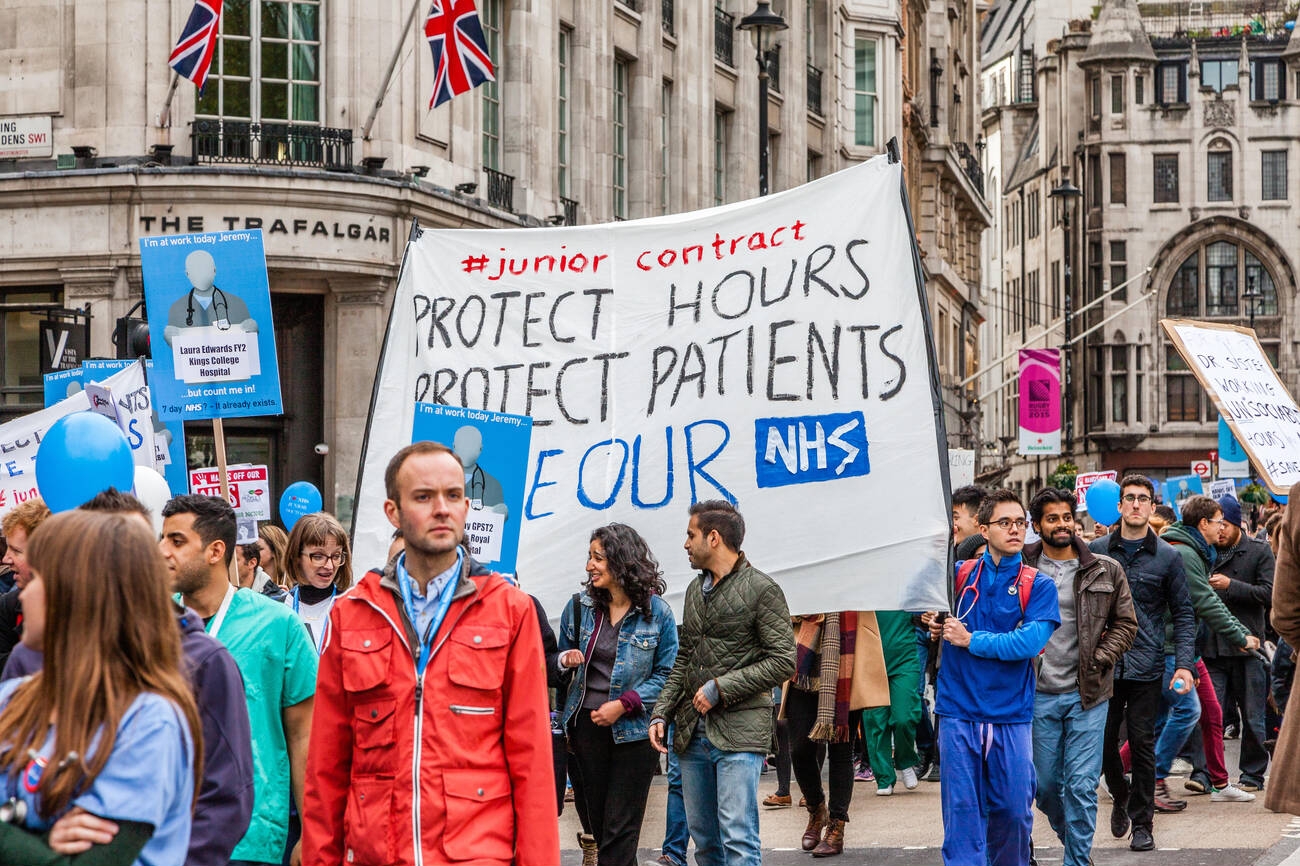
The recent UK-US pharmaceutical trade agreement is perhaps one of the most controversial policy developments in Britain. In fact, the agreement between international trade and healthcare spending has been noticed by politicians, economists, healthcare providers, and patients. Under the agreement, the United States will not impose tariffs on British pharmaceuticals and medical devices. This policy will remain in place for the next three years. In turn, the UK government has promised to increase spending on innovative medicines.
Some of these medicines may come from American pharmaceutical companies. Supporters of the agreement say the UK life sciences industry can benefit from it. They also believe patients will gain better access to improved treatments. On the contrary, the UK healthcare system, which has been facing problems already, can get even more challenged. This article critically examines the potential advantages, financial risks, and wider consequences of the UK–US pharmaceutical trade agreement for healthcare provision, pharmaceutical innovation, and public expenditure in the United Kingdom.
A Trade Agreement with Implications for Healthcare
While most trade agreements only involve tariffs and exports, this particular deal has implications for how Britain could manage its healthcare funding in the upcoming years. The government plans to increase NHS spending on innovative medicines. It aims to raise this investment from about 0.3% of GDP in 2026 to at least 0.6% by 2036.
The government supports this initiative because increased investment would help patients access advanced treatments more easily. These treatments include care for cancer, rare diseases, and other long-term illnesses. British drug producers may also find new opportunities in the future. They could gain better access to the world’s largest healthcare market. Pharmaceutical products are one of the leading areas in terms of exports.
Why Does the NHS Have a Hard Financial Choice to Make?
The biggest problem related to the deal is not about medical treatment, but its financing. Many experts believe this situation could deepen the NHS funding crisis. In general, healthcare experts support giving patients access to innovative medicines when strong clinical evidence confirms their effectiveness. They argue that treatment decisions should rely on proven results from medical studies.
The main challenge is finding enough funding to pay for those treatments. Without increasing the budget of the NHS considerably, the authorities will have to pay for new medicines from their current budget. They will have to cut spending in some areas. This is the only way they can compensate for the money spent elsewhere. Primary care, mental health services, community healthcare, preventive medicine, and social care can all fight for limited funds.
Financial Constraints Are Only Set To Increase
The NHS had entered into this pact amid several pressing financial constraints. The waiting list in hospitals has remained very high, and the shortage of workforce persists among many healthcare facilities. According to NHS England, millions of patients are still on the waiting list for treatment, while there is a shortage of doctors, nurses, and specialists in hospitals. Inflation has increased the cost of medicines across the healthcare system.
It has also pushed up spending on medical supplies, energy, and staff salaries. The financial stress adds to any new financial burden. Some healthcare economists have suggested that increased pharmaceutical expenditure in the absence of an increased NHS budget can put more pressure on frontline healthcare services. These pressures continue to highlight the NHS funding crisis across Britain.
The Advantages of Increased Availability of Innovative Drugs
Those backing the agreement contend that there is no need for individuals to wait for years before receiving access to innovative medicines that save lives. Innovation in the field of medicine has significantly changed the treatment of cancer, auto-immune diseases, rare genetic conditions, and a number of other chronic conditions. New drugs tend to increase chances of survival and improvement in people’s quality of life, while minimising the effects associated with complications.
Thus, the increased availability of the mentioned drugs could provide certain advantages from the point of view of people’s health. Many analysts believe that closer cooperation between the two governments could encourage further investment in the British pharmaceutical market. This investment could also support future research and industry growth. The contribution of Britain’s life science sector to its economy is valued at over £100 billion per year.
The Hidden Cost of Spending More on Drugs
Though there are clear benefits of the agreement, many health care professionals claim that every financial decision has its opportunity cost. There are certain budgetary constraints on health care spending, and the increase in one sector can affect another unless the government supplies more funding. Many healthcare experts believe that higher spending on branded medicines leaves less funding for other services.
As a result, GPs, preventive healthcare, diagnostics, social care, and hospital improvements may receive fewer resources. It seems that many more people receive help from these health services than from just a small portion of high-priced drugs. Some economists believe that in addition to examining the efficiency of new drugs, it is necessary to examine their influence on overall healthcare finances.
The Pharmaceutical Companies Controversy
The other main criticism revolves around which party stands to benefit the most from this trade agreement. Critics maintain that this pharmaceutical trade agreement between the UK and the US can lead to the dominance of multinational pharmaceutical corporations, especially those based in America, which manufacture expensive branded drugs.
They assert that profit motives will be prioritised over efficient health care. Proponents of this agreement counter these criticisms. They emphasise that it costs millions of dollars in research and development for the pharmaceutical firms to produce new drugs. It is only through adequate financial gains that the firm will continue making investments in future drugs.
Supporters also argue that patients in Britain deserve early access to innovative medicines. They believe patients should not have to wait several years for lower-cost alternatives to become available.
A Caution from Public Health Researchers
The agreement is also noteworthy due to a recently produced health and economic model presented in the British Medical Journal (BMJ). The researchers estimated that there could be an additional 229,000 deaths in Britain by 2036 if the NHS funds flow into the development of expensive medications, but there will be no growth in its general budget.
The estimate cannot be treated as a certain number of deaths that will happen for sure in the near future. The figure shows how many deaths can happen according to the model if there is a reduction in the funds spent on some other spheres of healthcare. According to the researchers, cuts in preventive care, primary care, and community services can bring more negative health outcomes than those achieved through the increased use of expensive medicines.
The Significance of Balance in Healthcare Funding
Healthcare professionals often state that medicines are only one aspect of a good healthcare system. Patients need early diagnosis and timely vaccination. They also need mental health support, community care, rehabilitation, and social care services. The funding of these services helps to minimise the number of hospitalizations and to provide better health outcomes in the future.
When governments focus too much on the expenditure on medicines, other equally important services can be ignored. Such an approach could make the NHS funding crisis even more difficult to resolve. Some healthcare economists suggest that the funding of the whole National Health Service should be increased instead of allocating resources differently. Britain needs both innovative medicines and front-line healthcare services, which is why this question is vital when analysing the impact of the UK-US pharmaceutical trade agreement.
The Economic Gains Are Not to Be Overlooked
Even if healthcare is a major issue discussed in the media, the deal also provides certain economic advantages. Indeed, the United States remains the largest export market for British medicines. Lower tariffs would also help British pharmaceutical companies compete more effectively in global markets. The UK life sciences industry generates more than £100 billion for the country’s economy each year.
It also supports around 300,000 jobs across research, manufacturing, and healthcare innovation. Improved access to the U.S. market could also stimulate investments, exports, and the development of scientific research in the future. The deal supporters claim that the pharmaceutical trade could be advantageous not only for patients but also for the economy. However, most analysts agree that these benefits should not undermine the public healthcare system.
Can the Government Make the UK-US Pharmaceutical Trade Agreement Work?
The fate of the deal is highly dependent on the future moves of the government rather than on the trade deal itself. Should the British government invest enough money in the NHS, then both goals could be accomplished. People would have access to new medicines, while at the same time, hospitals, primary care, and other areas of healthcare would get enough money for further development.
But in case the budget of healthcare remains almost the same, the NHS would face a lot of difficult decisions which will affect healthcare for many years to come. And for this very reason, the UK-US pharmaceutical trade agreement is not just an economic deal anymore. It is a challenge for the future strategy of Britain in terms of healthcare.
An Investment Opportunity with Implications for Finance
The UK-US pharmaceutical trade agreement brings many opportunities to the British economy and can contribute to easier access to better medicines for patients. However, it brings a host of challenging financial and economic issues related to healthcare finance. While the deal is likely to bring prosperity to the UK’s pharmaceutical industry, its effectiveness will depend on the availability of sufficient funds to be allocated for the benefit of the NHS.
Failure to do so may put further pressure on other areas of the NHS and lead to an even greater shortage of funds. Failure to do so may put further pressure on other areas of the NHS and deepen the NHS funding crisis. In other words, there are significant challenges to face since it will be necessary to find the right balance between encouraging medicine innovation and supporting the entire health care system that people rely on.