Starmer’s Premiership: The Fall of a Leader
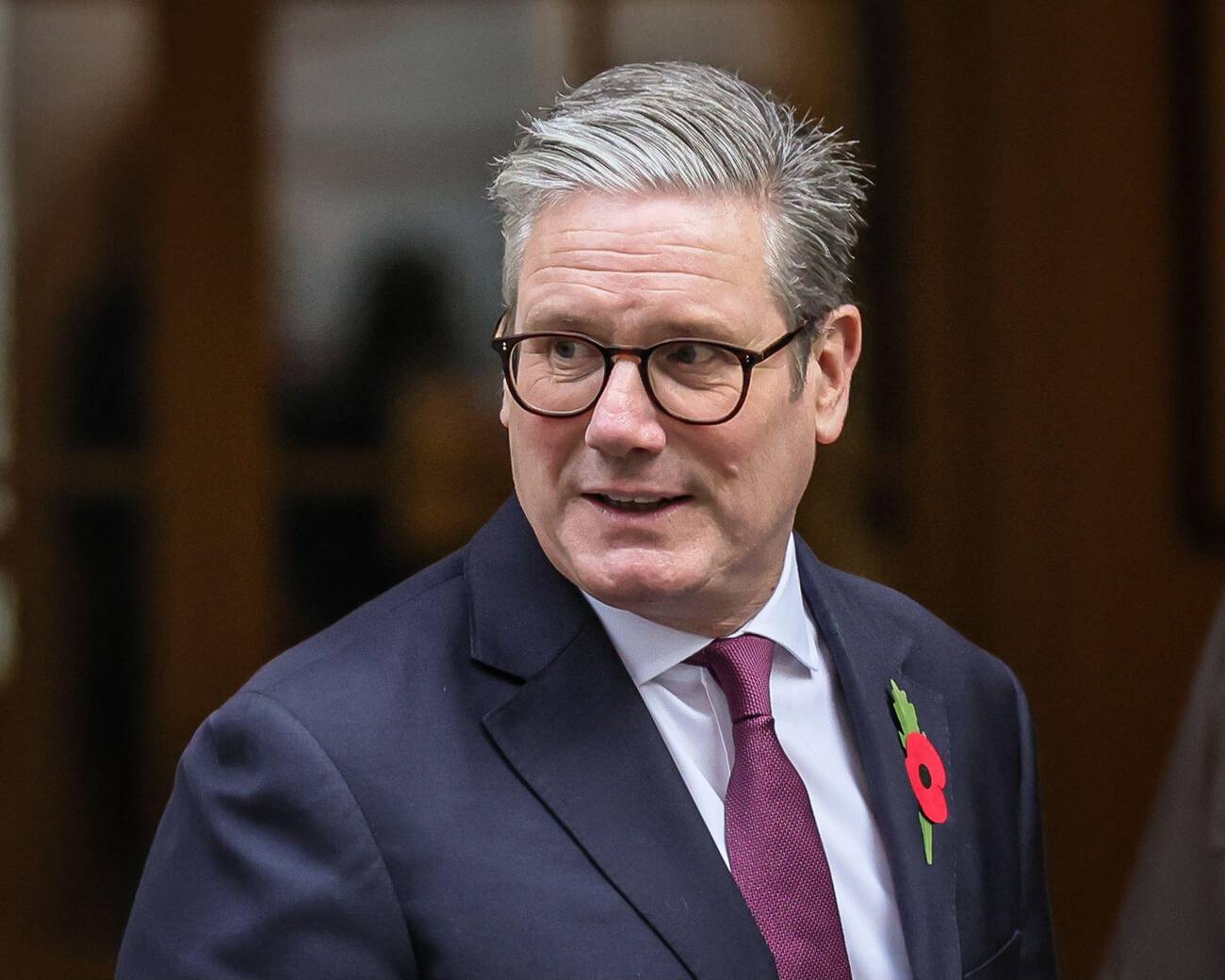
In July 2024, Keir Starmer moved into Number 10 Downing Street and did something really amazing for the Labour

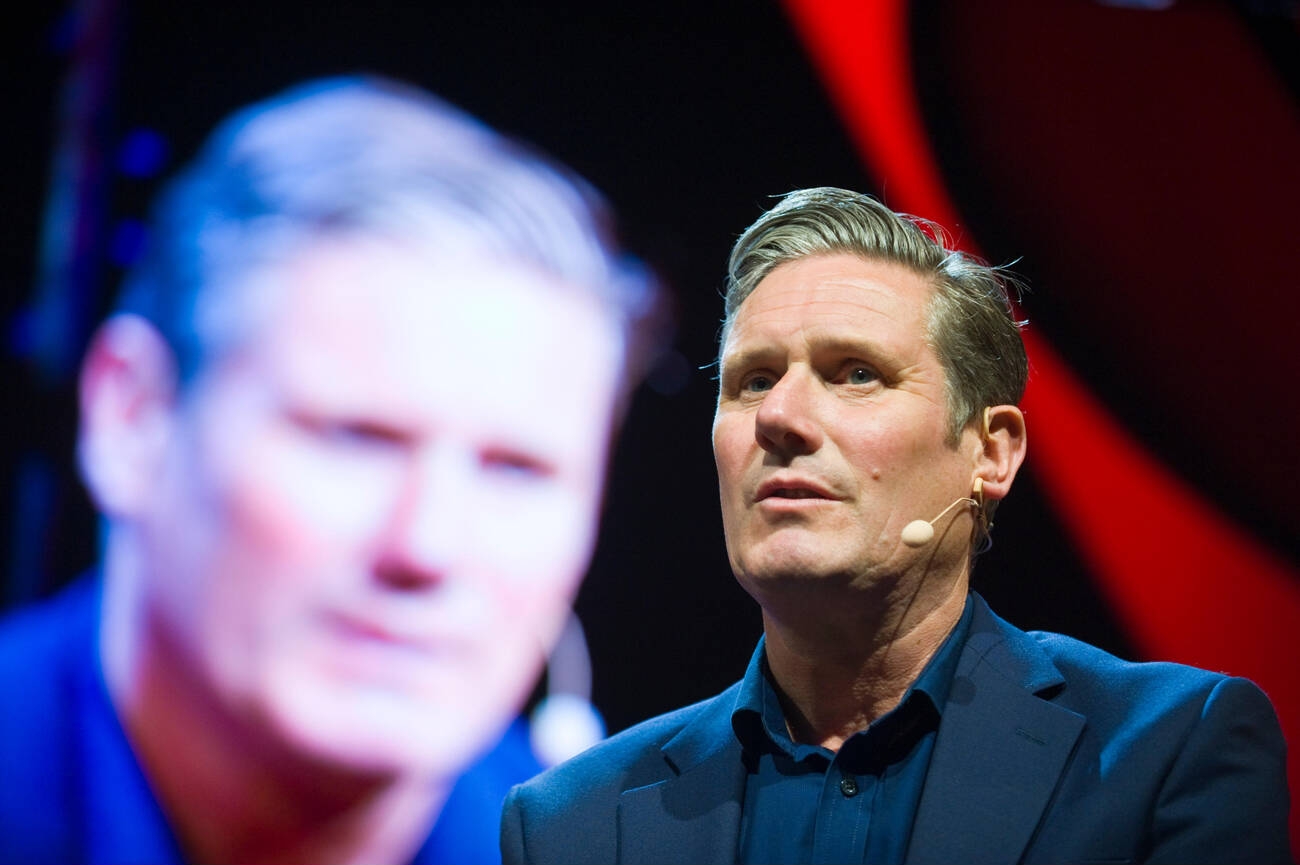
In July 2024, Keir Starmer moved into Number 10 Downing Street and did something really amazing for the Labour Party. People had hopes for him because they thought he would make things better after a lot of problems with the Conservative government. Keir Starmer promised to improve Britain after taking office. He also pledged to strengthen public services and make better government decisions. Those hopes have been getting smaller and smaller. Than two years after he took over the government made some big mistakes had economic problems and had disagreements inside the party. This made the government weaker. Keir Starmer quit his job on June 22, 2026, because the other parties were criticizing him a lot. This article examines the key challenges, failures, and political consequences of Starmer’s premiership.
A New Chapter in History
When Labour won the election in 2024, it was the start of something new in politics. The Labour Party had not been in power for a time, but then they got a majority in parliament. Keir Starmer tried to show people that he would be a minister who could bring hope back to ordinary people by making smart decisions. A lot of people voted for Labour because they wanted the government to be steady and make choices, not cause drama.
When Keir Starmer first started as minister, people were very excited. The government said they would make changes in the health sector, housing, energy, and how they handled money. It is not easy to be in charge. Starmer’s premiership was supposed to be a time of change. It did not work out that way. Starmer’s premiership ended quickly.
Economic Problems Created Doubts around the Work of the Government
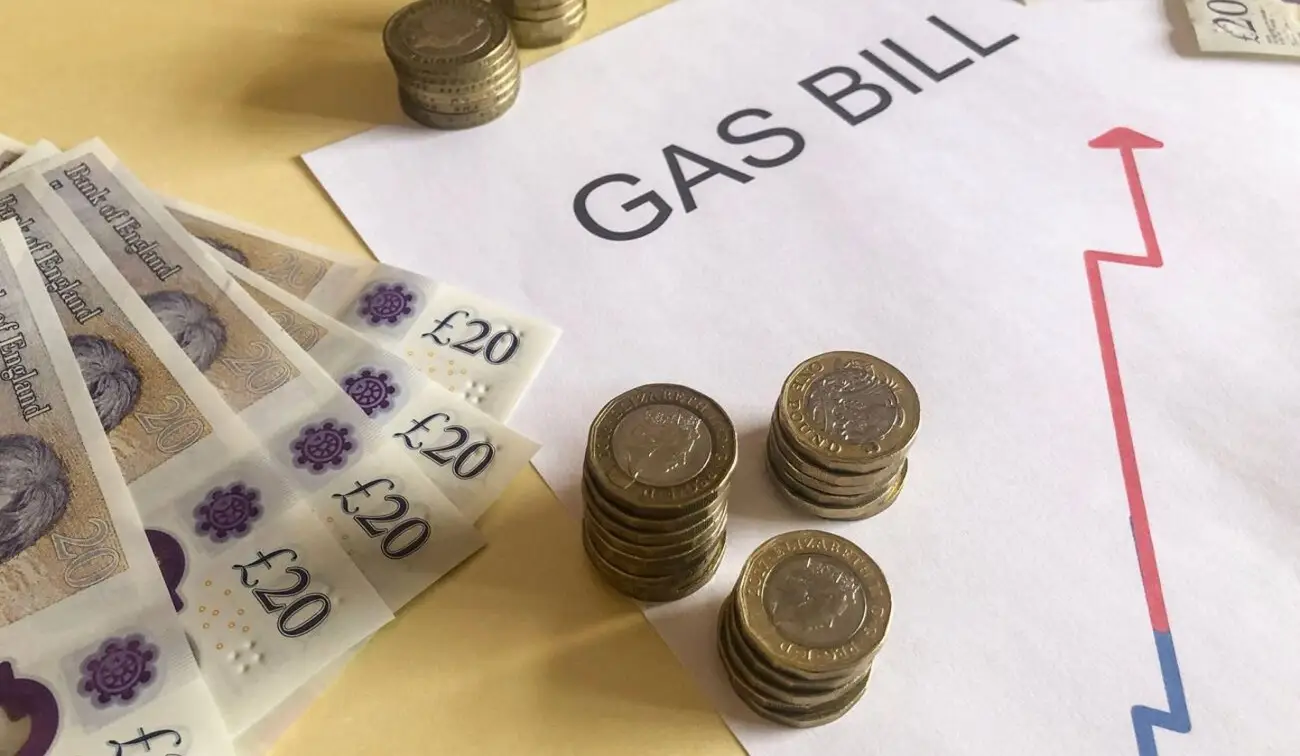
One of the main reasons the government’s work was gradually undermined was tied to economic issues. First of all, economic development during this time was fairly modest, or at least not impressive. Inflation kept influencing the budget of households, so life felt expensive, even exhausting. On top of that, the tax policy the government used made the financial situation worse for many citizens. Still, people said there were no real changes in public services that could compensate for those costs. Because of that, critics argued that the Labour Party failed to boost the country’s economic growth after the election. They also said the government delivered few meaningful economic improvements.
Other Policy Challenges, and the Energy Mess
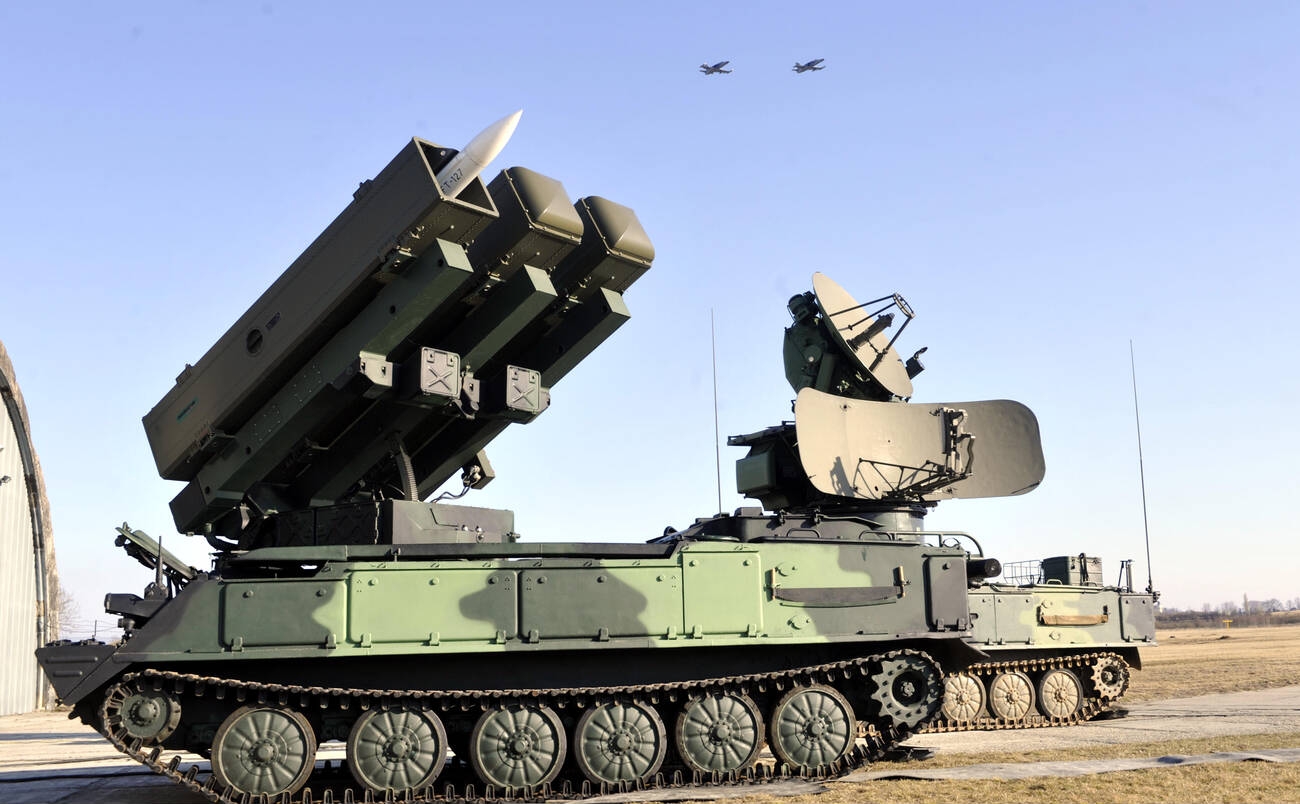
The government struggled in other policy fields too. The energy policy was criticised not only by political opponents but also by people inside his own party, which is kind of a problem by itself. There were high expectations for quick progress in energy reforms, but the results simply didn’t arrive on time. Some projects didn’t stick to the schedule, and worries about energy costs stayed relevant, almost stubbornly so.
Ministers were put under pressure to deliver certain outcomes. As a reaction to all this criticism, it became harder for the government to maintain a single political direction. As a result, many people began to question Starmer’s leadership. They also doubted whether the Labour Party could deliver the reforms it had promised. Political observers said the government was basically acting only when new problems popped up.
Political Controversies, and the Attacks that Followed
More political controversies added even more weight to the overall difficulty for the government. One example involved the appointment of Peter Mandelson as a British ambassador to the US. In that case, the controversy came up because of Mandelson’s earlier connections with Epstein and whether the decision itself was appropriate from a political point of view. However, this controversy did not really create other, bigger problems directly. Instead, it helped build an image of the Labour Party being vulnerable to the same sort of allegations that were used against their predecessors.
Resignations of Leading Ministers played a role in the crisis
The resignations of a few prominent people ended up mattering a lot, in a way that seriously harmed the reputation of the government. Several senior ministers resigned from the government. Their departures created the impression that instability had reached the highest levels of leadership.
Among those resignations were the Defence Secretary, John Healey, the Health Secretary Wes Streeting, and the Deputy Prime Minister Angela Rayner. Each resignation brought new anxieties about what would happen next, and whether the government could stay together. In that way, these resignations started to act like plain signals of the issues facing Starmer’s premiership. Opponents then leaned on those moments to suggest, quite loudly, that the Labour Party was no longer able to control its own administration.
Effect of the Electoral Defeat on the Political Environment
One of the most damaging episodes in the party’s recent timeline was the electoral defeat in the local and regional elections held in May 2026. The Labour Party lost some ground among its representatives in the local councils, and the general election results were also poor in Scotland and Wales. For many party members, it came as a real shock, honestly.
Based on the analysis going around, this defeat was a sign that people’s confidence in the party was decreasing. Even so, it wasn’t only about Labour losing votes. It was the Reform Party, often seen as representing the right wing of politics, that managed to capture extra backing from Labour voters.
Why Resignation of Starmer Became a Necessity?
As pressure increased from every direction, it became inevitable that leadership would need to shift. Critics argued that the Labour Party had slipped out of favour with voters, including both the left-wing supporters and the centrists. Critics argued that the government failed to deliver meaningful improvements. They also said it offered no clear plan for the country’s future. Polls, over time, showed approval ratings falling. Political opinion polls in particular pointed to a sharp drop in trust for the government’s leadership towards the end of Starmer’s tenure.
Regaining Confidence after Starmer’s Premiership
Keir Starmer’s departure was a really crucial development for the Labour Party, though it reads like a turning point more than an ending. The government that took office had pretty high levels of confidence with the public, and the electoral mandates were strong enough too. Yet through a series of developments, confidence in the administration has kept dropping, bit by bit. Honestly, it doesn’t seem to stop.
A few challenges that came to light in the process brought out problems not only for Labour itself, but also for the wider political system in Britain. The next Labour leader might try to recover trust inside the party, and also repair that broader coalition. Still, there are many structural issues that have not been dealt with yet. Ultimately, Starmer’s premiership shows how electoral success alone cannot guarantee effective and lasting leadership.