Anti-Muslim Discrimination in the UK: Islamophobia and Prejudice, Unfair Behavior
Anti-Muslim discrimination in the UK aims to make life harder for the Muslim Community through creating Islamophobia in the
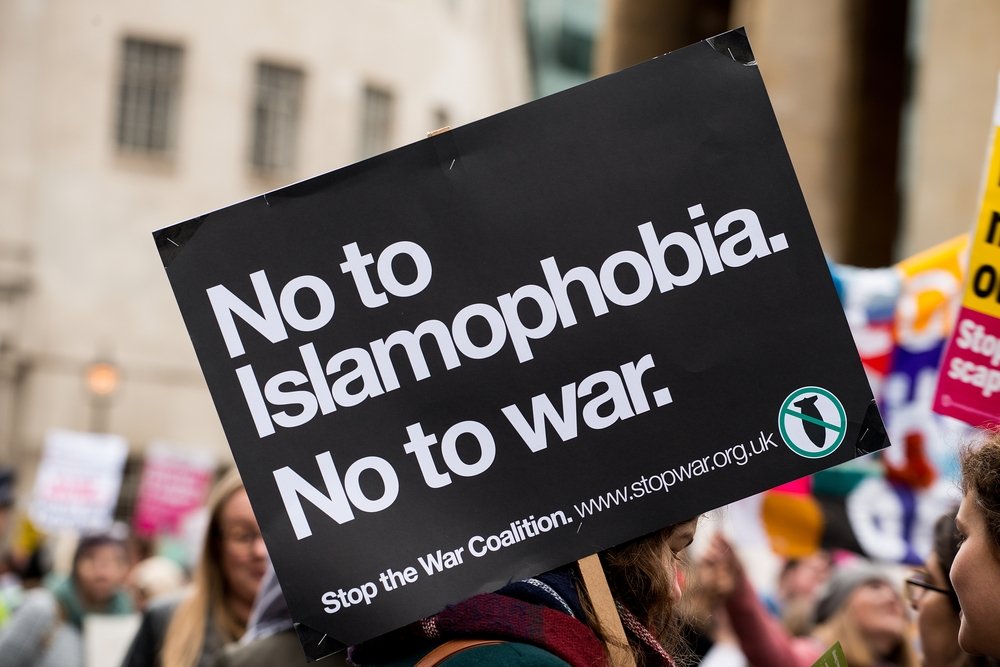
Anti-Muslim discrimination in the UK aims to make life harder for the Muslim Community through creating Islamophobia in the UK. More than half of Muslims in Britain have experienced discrimination in society. It is a worrying trend for democracy in the country. This discrimination exists on the streets, on public transport, in the workplace and online. A third of Muslims in Britain also feel that the media and public institutions have unfair behavior. Some Britons think the growth in the Muslim population poses a threat to UK culture.
Anti-Muslim Discrimination in the UK: Britons and the Muslim Population
One in six Britons think growth of Muslim population is ‘threat to UK culture’, study finds
The majority say Muslims are as British as white non-Muslims, but hostile attitudes are at risk of becoming normal, says thinktank. One in six Britons believes the growth of the Muslim population “poses a foundational threat to UK culture”. There are hostile attitudes towards Muslims at risk of becoming normal, a study has found.
The study by the social integration thinktank British Future and the British Muslim Trust – the government’s official partner in monitoring Islamophobia – found that most Muslims (73%) think the UK is a good place to be Muslim, and that a majority of Britons (52%) believe Muslims are as British as white non-Muslims.
The study by the social integration thinktank British Future, and the British Muslim Trust, the government’s official partner in monitoring Islamophobia in the UK, did a study. They found that most Muslims (73%) think the UK is a good place to be Muslim. Moreover, most Britons (52%) believe Muslims are as British as white non-Muslims. However, 17% of the wider public “strongly agree” that “the growth in the Muslim population poses a foundational threat to UK culture”. While 19% do not agree that “Muslims born in this country are as British as white, non-Muslim people born here.”
Anti-Muslim discrimination in the UK: Hate Crimes
The British Muslim Trust launched a helpline for anti-Muslim hate crimes Islamophobia in the UK and held meetings with people across the country. Its director, Akeela Ahmed, said that “time and again”, Muslims were saying they felt “their place and identity” was under question in ways it hadn’t been before, when they had integrated and worked and studied hard.
Ahmed warned in the report that, while British Muslims continued to express “a deep sense of belonging to this country”, if the next generation grew up doubting that this was their home, “it will have unintended consequences on social cohesion”. She added, “Two threads run through this evidence. The online world is plainly shaping attitudes, carrying misinformation and hostility further and faster than ever before. “Too many people simply do not know a Muslim. The interpersonal contact and connection that builds trust are missing from their daily lives. It is in those local relationships, more than anywhere else, that prejudice is undone.”
Confidence in Muslims’ Sense of British Identity
Anti-Muslim discrimination in the UK is becoming a big concern of the Government. Research showed a majority of British Muslims (61%) – of whom about 1,000 were surveyed – felt less safe after the first Unite the Kingdom rally was held in September last year, rising to 69% of Muslim women. However, the research found confidence in Muslims’ sense of British identity. 69% of Muslims agree that British-born Muslims were “as British as white, non-Muslim people born here”.
A majority of the public (63%) recognizes that there is prejudice against Muslims. In addition, 61% support government action against anti-Muslim prejudice and Islamophobia in the UK. It includes the most supportive 20% of people who feel the government should take strong action. Another group (41%) said government action was important, if there were balances to protect freedom of speech. Only 7% did not agree with the action on the issue. More than half of Muslims (56%) said they had experienced prejudice based on their religion in the last year. Ahmed described it as “utterly intolerable”. But she said it was “heartening” that most people supported action on anti-Muslim hatred.
Anti-Muslim discrimination in the UK: Prejudice in Public Spaces
The research, published in the report ‘Understanding Anti-Muslim Hostility: Foundations for Action’ by British Future and the British Muslim Trust, was based on a survey of 1,013 Muslims in Britain and a further nationally representative survey of 2,000 GB adults by Number Cruncher Politics. Anti-Muslim discrimination in the UK and Islamophobia in the UK spread even in public spaces.
One in four Muslims (27%) experienced prejudice in a public space, such as the street or on public transport. 19% encountered anti-Muslim prejudice at work or in an institution like the NHS, and 34% experienced anti-Muslim prejudice on social media. Most Muslims felt less safe after the ‘Unite the Kingdom’ protests last year, with six in ten Muslim respondents (61%) agreeing that ‘I feel more worried about my personal safety after the protest’, rising to seven in ten Muslim women (69%).
Contacts and Attitudes toward Muslims in the UK
Contact affects attitudes. A third of people (36%) report frequent social contact with Muslims, while 34% seldom meet Muslims (and “never” for 14%). Researchers found a strong correlation between the regularity of interaction with Muslims and respondents’ levels of acceptance towards Muslim people. Researchers said they had found a “strong correlation” between the regularity of interaction with Muslims and respondents’ levels of acceptance towards Muslim people. There was an age gap in attitudes, with 29% of over-65s seeing the contribution of Muslims as negative, against only 16% of 18-24s.
The media scored worst about the fairness of treatment across various institutions, with half of Muslim respondents having experienced either ‘a lot worse’ (26%) or ‘somewhat worse’ (26%) than the rest of the public.
Islamophobia: Banning the Muslim Community from Living
Elites and far-right figures use Islamophobia to divide working-class people and deflect from economic struggles. Drawing on on-the-ground insights from Luton, historical parallels with earlier waves of far-right violence, and the rise of a globalized Islamophobia industry, the online disinformation and political rhetoric have translated into real-world harm for British Muslims. Sunder Katwala, Director of British Future, said It’s deeply worrying that one in six people hold sweeping, hostile prejudices towards Muslims in Britain. Most people do not agree with them. However, if no one checks the trend, there is a real risk that these attitudes become a norm in wider society.
Akeela Ahmed is the CEO of the British Muslim Trust. She said more than half of British Muslims experienced prejudice in the last year. Most are more fearful for their safety since the Unite the Kingdom Rally. That number is shocking, and it is utterly intolerable for anyone who cares about community cohesion and public order. Muslim communities are not asking for special favours – they want to be free to live rich and full lives in the country just like anyone else. Still, they are experiencing unprecedented levels of hate and hostility. The UK government must consider that the situation of Muslims in Britain today is a serious test for this country’s claims regarding the rule of law, and equality.