Reform UK and Racism: Early Signs of Increasing Extremism in Britain
The current state of politics in Britain has escalated due to the increased level of tension related to issues

The current state of politics in Britain has escalated due to the increased level of tension related to issues such as migration, identity, democracy, and Islamophobia in Britain. The recent statements by the Deputy Leader of the Labour Party noted that Reform UK, along with its founder, Nigel Farage, can be considered as a source of danger for British democracy.
In addition, there were some comments concerning the use of bot and troll farms to send political messages. Meanwhile, Reform UK managed to win many local elections, won seats in English councils, and progressed significantly in Scotland and Wales. These events raised the alarm about political polarization and social harmony. This article explores the ongoing debate on the topic of Reform UK and racism, and Islamophobia in Britain. This debate is increasingly linked to Reform UK and racism in Britain today.
Reform UK and racism: Political Accusations and Digital Media
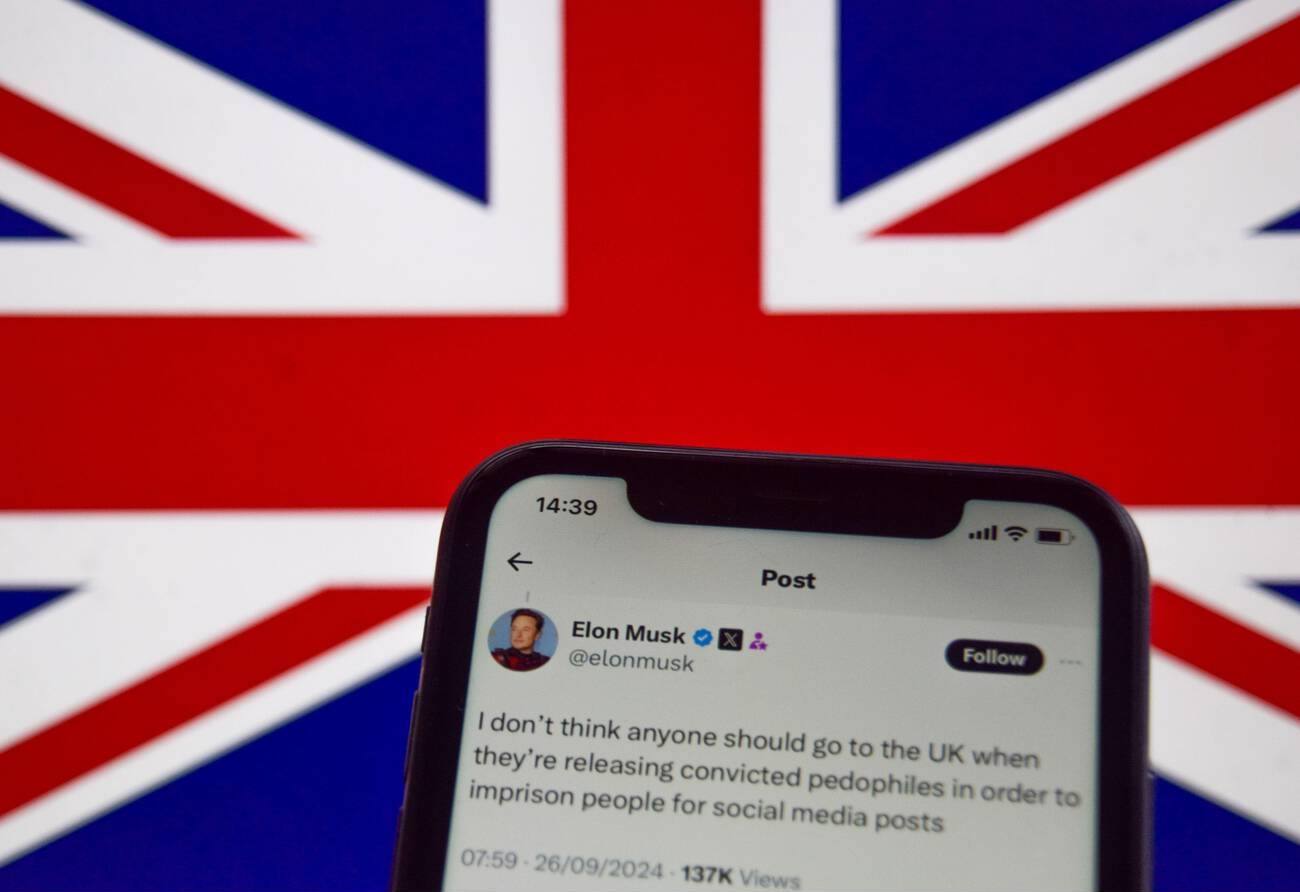
In current political discourse, attention has been paid to the role of Reform UK on the Internet. The Deputy Leader of Labour believes that Reform UK uses digital manipulation to influence voters. In particular, the digital strategies of the party involve foreign funding and social media bots. It is believed that bots and troll farms promote the party’s interests through the manipulation of public opinion and the creation of false narratives.
While the supporters of Reform UK consider these charges baseless, arguing that they are just legitimate forms of political communication, the problem of digital technologies’ role in politics is still topical. In fact, studies show that algorithms used in social media increase the intensity of emotions expressed by users and contribute to polarizing people politically. As a result, mutual distrust may rise as well as tensions related to, for example, immigration.
Gains in Elections and Community Reactions
The latest round of local elections in Britain produced an unusual outcome for some of the political parties. In particular, Reform UK has shown improved performance in various local councils in England. Moreover, there was notable progress in some regions in Scotland and Wales. As a result, the findings have initiated a discussion between experts and community leaders.
While some people see these results as a protest vote, others argue that deeper social problems have driven Reform UK’s growing support. Multiple sources indicate that the minorities within British society feel worried regarding the issues of public security and social tolerance. Some voters have started feeling more insecure about their safety following the electoral outcome. The rising popularity of Reform UK is increasingly related to Islamophobia in Britain.
Issues of Racism and Social Segregation
The First Minister of Scotland and other leading personalities are alarmed about the emergence of the Reform UK party and the increased cases of racism that may arise due to this happening. They believe that the party’s rhetoric on immigration and national identity has made many minority communities feel less secure than before. Moreover, according to reports, there has been an increase in incidents of verbal harassment of various sorts. Various trade unions and social services organizations are concerned about the increased instances of racism. This concern is often discussed in relation to Reform UK and racism. They believe that racism is becoming more prominent in society due to political messaging.
The Structural Reasons for Growing Tensions
Many analysts claim that today’s tension does not arise solely because of politics. The economy and the social situation have also contributed to growing social dissatisfaction. Since the UK left the European Union, Britain has faced a range of economic challenges. They consist of the growing cost of living, the strain on public services, and the problem with affordable housing. People feel like their opportunities to receive healthcare, education, and housing have been slowed down. Thus, the political discourse regarding immigration receives increasing attention. Many analysts argue that social media algorithms further intensify these narratives because they tend to promote highly emotional content. As a result, it becomes easier to divide people. Moreover, Islamophobia in Britain has become a significant issue.
Role of Digital Platforms and Misinformation
Digital platforms are very influential in forming public opinion. They encourage content that provokes strong emotions from people. These emotions could involve fear or conflicts. It has been noted that there is always a chance that such a process may contribute to an extremist discourse, particularly when coupled with political campaigns.
This issue is also connected to Reform UK and racism debates. In addition, claims that Reform UK makes a profit from digital platforms have increased tension around the issue. On one hand, supporters of the party claim that everybody uses digital platforms for their benefit, but opponents suggest that regulation in these processes is not enough.
Future Challenges for Social Cohesion
If current trends continue, Britain may experience deeper social division in the coming years. There would be polarization among political factions, which might affect the trust citizens have in their democracy. The same applies to minority groups who may be increasingly marginalized as a result of growing hostility. In effect, the future for social cohesion might be miserable. The issue of racism in relation to Reform UK is hence not just political but social too. Reform UK and racism remain a growing concern across Britain.
Growth in Political Trouble and Social division in Britain
The growth of Reform UK has caused serious discussions around democracy, identity, and social divisiveness within Britain. Reform UK and racism remain a central issue in these discussions. Although some individuals argue that Reform UK was born out of the people’s frustrations, others fear possible social and political implications, including further polarization and racism.
Now minorities in Britain are worried about insecurity in society. The issue of Islamophobia in Britain shows how important it is to be careful in the sphere of political discourse, as well as the importance of protective mechanisms to prevent disinformation. Economic stress, media, and political discourse all affect today’s situation.