

UK Military Aid to Ukraine: Burnham’s Meeting with Zelenskyy and the Danger of a Prolonged Conflict
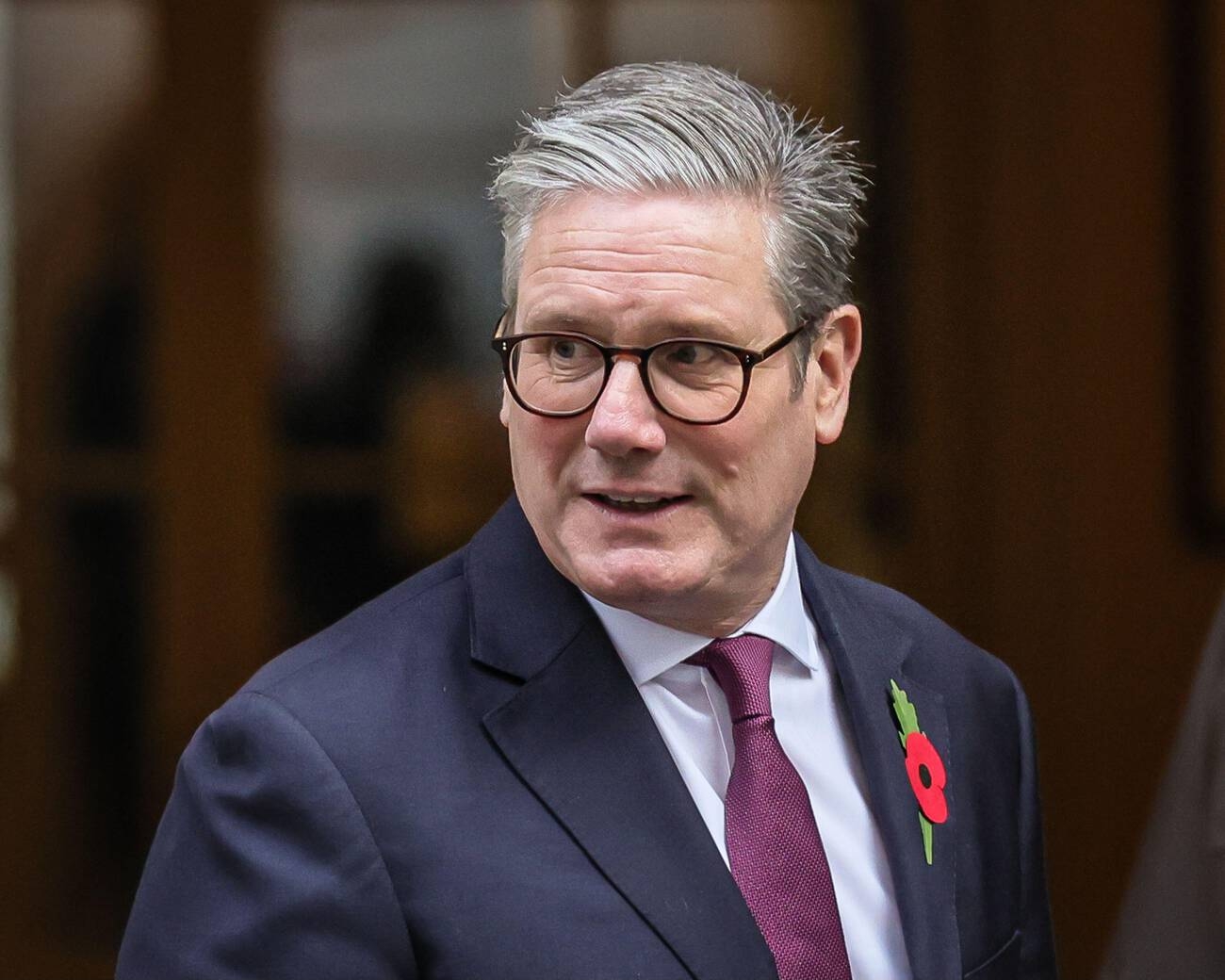
The British Prime Minister, Andy Burnham, recently had an meeting with the Ukrainian President, Volodymyr Zelenskyy, in London. The
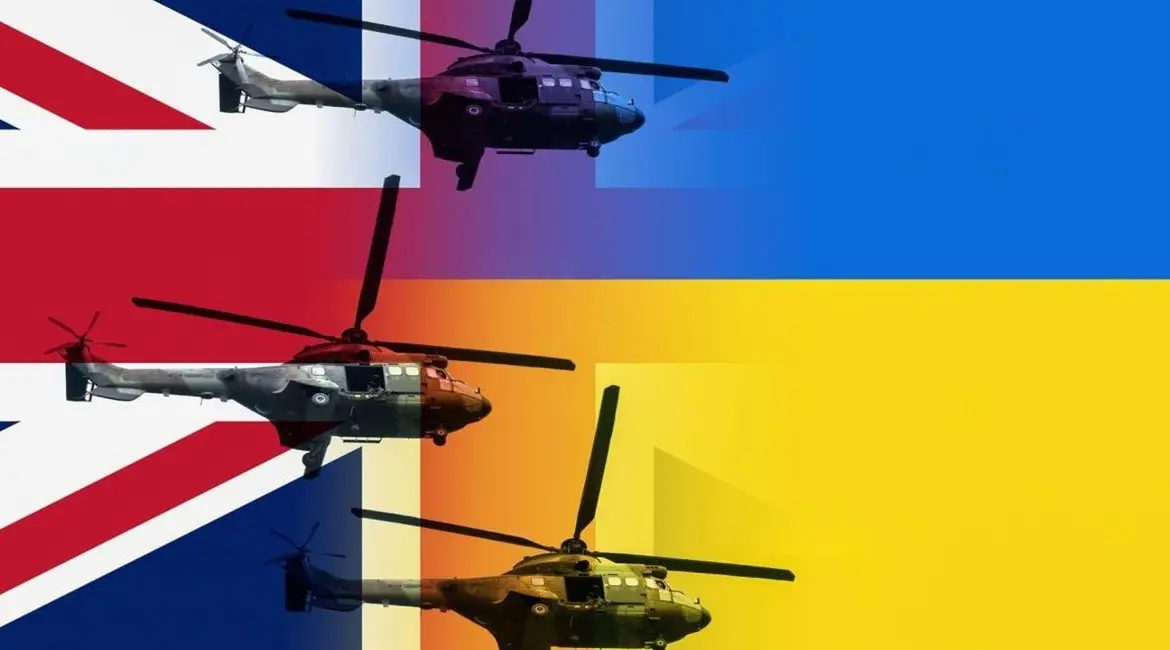
The British Prime Minister, Andy Burnham, recently had an meeting with the Ukrainian President, Volodymyr Zelenskyy, in London. The meeting emphasized the continued UK military aid to Ukraine as the war between Ukraine and Russia goes on. Britain has offered military assistance amounting to £45 million (about $60 million) and pledged to hasten deliveries of missiles to assist in defending against Russian drones.
Nevertheless, the military assistance that the UK has provided to Ukraine poses other issues related to the situation. With regard to the uncertain backing from the United States towards Kyiv, Britain is now attempting to boost the defences of Ukraine while taking into consideration their own security and diplomatic needs.
UK Military Aid to Ukraine and the Recent Military Aid Package
The meeting between Burnham and Zelenskyy happened amid challenging times for Ukraine. Russian strikes on cities and Ukraine’s infrastructure persisted, and limitations in the use of Starlink sparked doubts regarding military communications and drones used by Ukraine. Besides, there were doubts regarding future American aid for Ukraine.
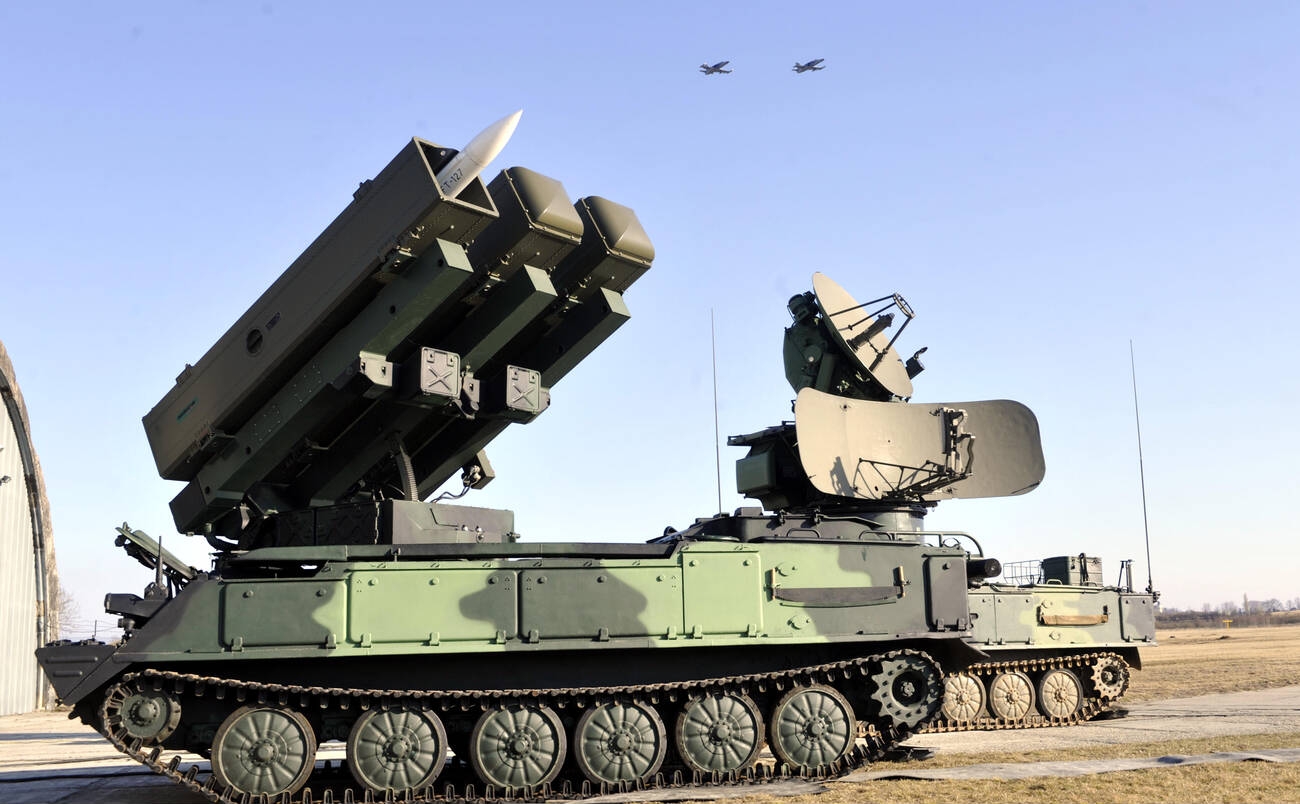
In the process of negotiations in London, Burnham assured that the delivery of lightweight missiles manufactured by Britain would be accelerated. Such a type of weapon will allow Ukraine to protect itself from Russian jet-powered drones.
The government promised to deliver another £45 million worth of military aid and also discuss additional methods to provide defensive weapons before winter.
So far, the UK has provided a lot of military support to Ukraine. According to the government factsheet, the total aid amounted to £25 billion, including £16 billion of military aid.
Reasons for Continued UK Support for Ukraine
UK officials portray UK military aid to Ukraine as a reaction to the Russian invasion and a defence mechanism for the security of Europe. The British have condemned the attacks on Ukrainians by Russians and the destruction of vital infrastructure. They have emphasized that there is a need to provide defensive equipment that will help the Ukrainians defend themselves.
The meeting between Burnham and Zelenskyy had diplomatic aspects. The relationship between Washington and Kyiv had been under strain because of Trump’s rhetoric regarding the conflict in Ukraine and decisions made concerning energy policies related to Russia.
This meant that Ukraine was looking for increased support from European countries amid uncertainties about America. Burnham was faced with the task of making diplomatic maneuvers in trying to show commitment to Ukraine but repairing relationships between Washington and Kyiv at the same time.
Security Warnings and the Possibility of Escalation
British officials have become more vocal regarding security problems connected with Russia. The British defence secretary Wes Streeting has stated that Russian aggression continues to be a challenge for the UK and its allies. At the same time, MI5 considers Russia to be one of the greatest threats to the country’s national security. Such warnings serve as an essential context for the government’s defence policy.
The British government says the UK must prepare for threats that extend beyond the battlefield in Ukraine. These threats could affect Britain even if the fighting remains within Ukraine.
In this sense, UK military aid to Ukraine, intelligence cooperation and sanctions are elements of this strategy. But the warnings about security problems do not eliminate the necessity of analysis of each decision about foreign policy and its possible consequences.
Dependence of Ukraine on Weapons of Western Countries
Though Ukraine has been able to manufacture some of its weaponry in the ongoing war, it still relies on foreign countries for some sophisticated weapons and air defence mechanisms, as well as intelligence and communications technology.
This situation brings about certain complications. Delays in weapons deliveries could create serious problems for Ukraine. A change in a partner country’s policy could also make it harder to defend its cities and infrastructure.
Recent uncertainties over UK military aid to Ukraine have brought this situation into the spotlight. The discussion is also related to the future prospects of Ukraine’s self-defence.
According to an August 2026 editorial published by The Guardian, Britain should assist Ukraine in achieving self-reliance in the manufacturing of weapons. A stronger domestic defence industry would reduce Ukraine’s reliance on imported weapons. It would also give Kyiv greater control over its military planning.
Russian Tactics and the Demands of a War of Attrition
Even at a high cost in terms of finances, manpower, and equipment, Russia continues to conduct military operations. In a war of attrition, both sides face growing pressure as the fighting continues.
They must keep supplying weapons, personnel, and funding to sustain their military efforts. For Ukraine, the continuous attacks by Russia mean the need to acquire more air defence and other military equipment.
Prolonging the war can impose pressure on Ukraine and its allies from the West. Russia may hope that the increasing expenses and political conflicts may lead to weakening support from the West. It poses a hard dilemma for Britain and other European countries. Cutting down on UK military aid to Ukraine could leave the country more vulnerable.
However, continuously sending weapons without any realistic diplomatic plan can mean years of destruction.
Human and Economic Consequences of a Long-Running War
There is more to the war than just military positions and official statements. The war has harmed homes, power plants, transportation systems, and other key infrastructure. Ordinary citizens are at risk of losing their shelter, utilities, and even of being injured or killed. Economically, it places pressure on those countries that are offering help.
Britain will need to balance its defence requirements with the need to fund domestic services. It must also consider the wider economic challenges facing its citizens. Defence is not the only priority during a major international crisis.
The government must also decide how to allocate resources across other important areas. UK military aid to Ukraine should be judged both by the amount of equipment provided and by how effectively it is used.
Can Military and Diplomatic Efforts Be Combined?
According to Burnham, Britain would go on supporting Ukraine but also try to mend the relationship between the United States and Ukraine. This is because it recognizes that the security of Ukraine lies in cooperation with many international players. However, diplomats have to be certain about their objectives.
The UK and its allies need to consider when they could enter negotiations and how they would respond to further attacks. They should also look at security measures that could help prevent another round of fighting. Concentration only on weapons will not solve these problems. However, any negotiations must take Ukraine’s security needs into account.
They should also address the damage caused by the Russian military during the war. All this should be considered in the negotiation process, since otherwise the problem may not be solved easily.
The Search for a Way Out of the Conflict
Burnham’s meeting with Zelenskyy reaffirmed Britain’s commitment to Ukraine at a time of continuing Russian attacks and uncertainty over American support. The latest package and accelerated missile deliveries are intended to strengthen Ukraine’s air defences, while Britain continues its diplomatic engagement with international partners.
However, the conflict also raises difficult questions about the long-term costs of military aid and the prospects for negotiations.
Ukraine needs the means to protect its population, but the wider international response must also address the conditions that could bring the fighting to an end. UK military aid to Ukraine remains an important part of Britain’s foreign and defence policy.
Its long-term impact will depend on how the government manages military support and works with its allies. Continued diplomatic efforts will also be important in reducing the risk of a prolonged war.