
UK Fuel Poverty Crisis 2026: How the Iran Conflict Could Leave Households £500 Worse Off. An interview with Samuel Geddes.
The UK fuel poverty crisis could deepen as the Iran conflict drives up energy and household costs. With families

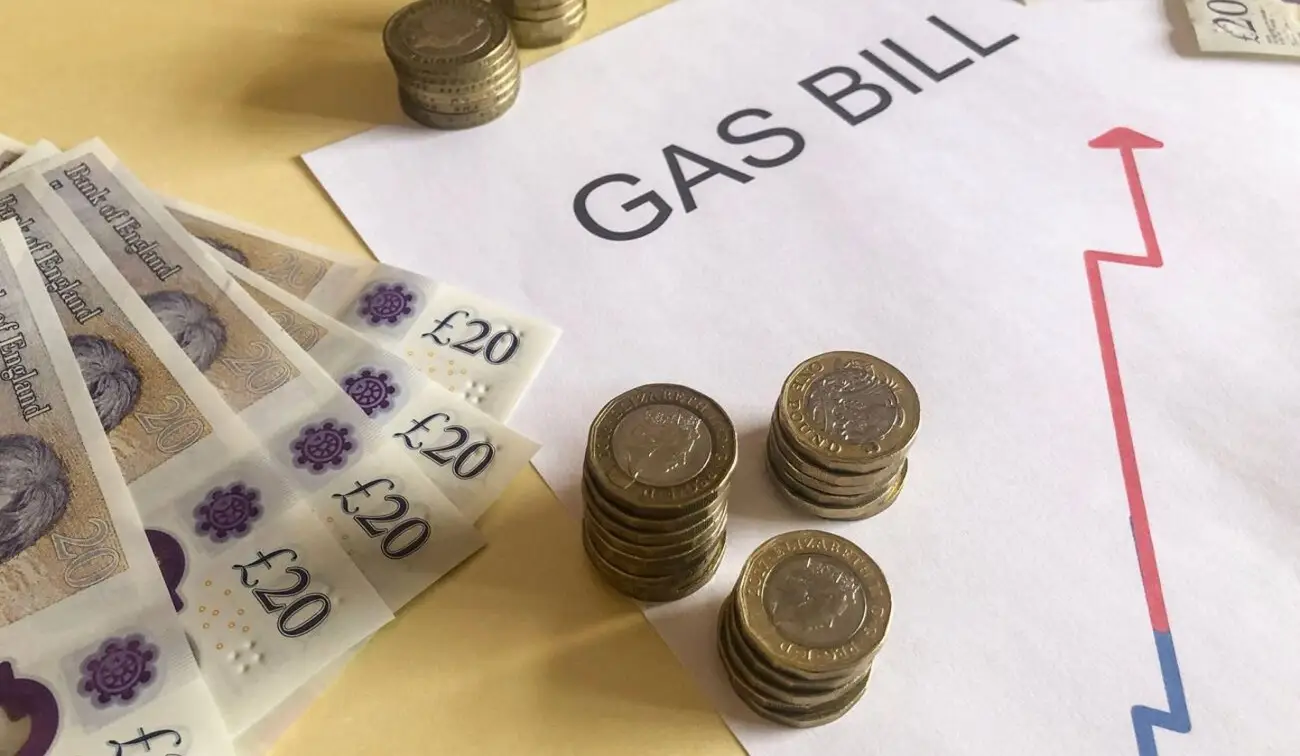
The UK fuel poverty crisis could deepen as the Iran conflict drives up energy and household costs. With families facing the prospect of being £500 worse off, concerns are growing ahead of winter.
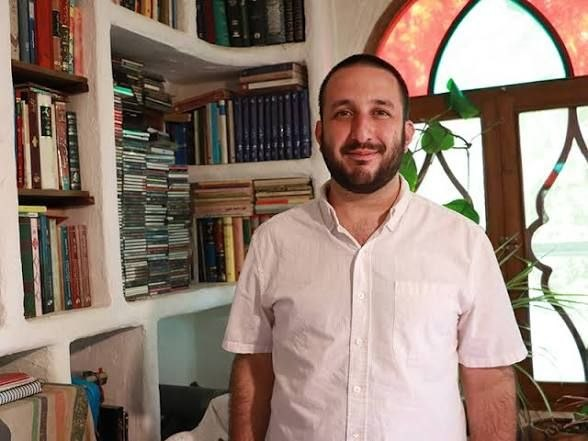
Samuel Geddes, a journalist and political commentator, says rising prices and supply disruptions could put even more pressure on households already struggling with the cost of living.
1-To what extent could the Iran conflict worsen the UK fuel poverty crisis, particularly for lower-income families and pensioners?
The UK is already deep in a fuel poverty crisis, initially due to a decade and a half of austerity under both the Conservative and Labour Parties but it was dramatically worsened by Brexit, the Covid pandemic and the energy shock from the Russia-Ukraine war.
The Hormuz energy shock, which is the largest in history, is about to hit a British economy worn down by a decade of continuous economic and political crisis. The cumulative effects of these crises are pushing the less affluent classes in Britain below what would be considered acceptable living standards in a developed “First World” country.
2- Reports suggest some households could be nearly £500 worse off this year due to higher fuel and energy costs. What is driving these increases?
It could well be that the “$£500” figure is wildly optimistic given that the war still hasn’t ended and the economic damage will linger long after it ends. It is also not simply an “energy” crisis, since Hormuz is a critical route for roughly a third of vital inputs for critical global industries, from helium for AI and semiconductors to urea for chemical fertilizers. The latter is especially critical to the UK as it a massive importer of food, particularly of kinds that cannot be produced in Britain.
3- Why is a conflict overseas able to have such a major effect on UK household bills and everyday living costs?
Like with Russia and Ukraine, the Persian Gulf is an indispensable source of many commodities needed for the global economy to function. Additionally it sits at a trans-continental crossroads between Asia, Africa and Europe that makes it critical to the production and transport even of products that do not originate from the region. Thus any disruption there has the unique ability cause a systemic global economic, industrial and financial crisis that will hit highly globalized economies especially hard. Britain is a prime example of this.
4- Do you believe the government is doing enough to protect vulnerable households from another cost-of-living shock, or are stronger interventions needed?
The measures taken by this and previous UK governments are clearly inadequate as the crisis has been unresolved for several years and is only worsening. The present government will probably continue to accumulate debt in order to fund half measures that fail to control energy prices in particular and inflation in general.
Ultimately the market is not up to solving this crisis so the Labour government may well end up having to nationalize the power industry in spite of its deeply neoliberal ideology. Rationing will also be necessary and this will either be imposed by the state itself or simply by the eventual absence of commodities when they are no longer available or affordable.
5- Looking ahead to winter 2026, what practical steps should households take now to prepare for possible increases in energy bills and fuel costs?
I don’t think I’m qualified to advise on this question. If I were a Briton in this situation I’m sure I would be scrambling to work out what to do. Ultimately it is not the responsibility of households and individuals to simply work out solutions for themselves. The onus is on the state to handle the crisis and provide an acceptable minimal living-standard for its citizens. If it can’t do that then there is no point in having a government or indeed a state, at all.