

Choose Scotland Campaign: A Renewed Scottish Independence Effort after Many Years of Stalemate
Over a decade since Scotland rejected Scottish independence in the 2014 referendum, the issue of Scottish independence has risen
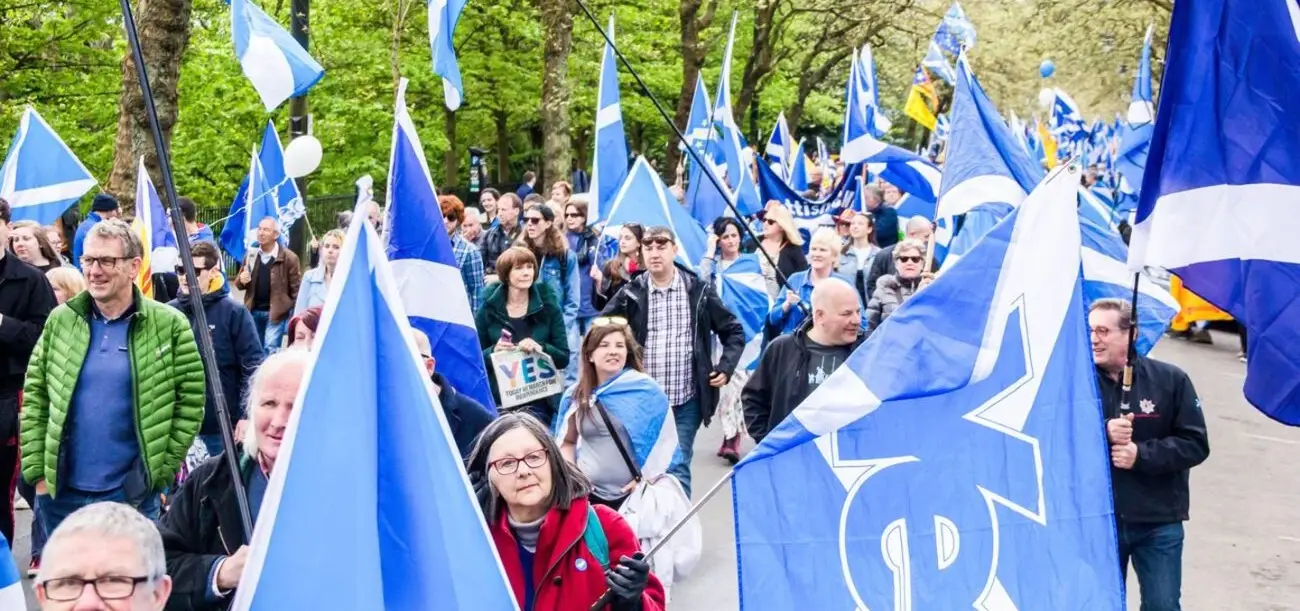
Over a decade since Scotland rejected Scottish independence in the 2014 referendum, the issue of Scottish independence has risen as one of the most central issues in British politics. Following the efforts of its leader, John Swinney, who is the First Minister of Scotland, the Scottish National Party (SNP) is undertaking a new campaign to rebuild the case for the separation of Scotland from Britain.
The Choose Scotland Campaign seeks to persuade people that Scottish independence will bring economic and political advantages to Scots. It follows demands for the SNP to provide a clear path to a referendum on Scottish independence. The article examines the SNP’s renewed independence campaign, the pressure for a clear referendum timetable, and the economic and legal challenges facing Scotland’s independence movement.
Choose Scotland Campaign and the Reopening of the Independence Discussion
The Scottish National Party (SNP) has called the Choose Scotland Campaign its largest project to promote independence since 2014. This campaign features a political broadcast, online advertisement, and a questionnaire which the SNP intends to deliver to about 1.5 million people across Scotland. In addition to this, the SNP has allocated £100,000 for its “hearts and minds” campaign, which will try to convince voters who have not yet made their choice.
Choose Scotland Campaign will give Swinney the chance to bring the constitutional issue back to the political agenda. According to the SNP, Scotland’s independence will be able to provide it with more control over the economy, public services and natural resources. Besides, the SNP sees Scotland’s closer relations with the European Union as one of the advantages, especially regarding trade and freedom of movement.
Pressure for Swinney to Provide a More Definitive Timetable
The SNP faces mounting pressure from its own members, some of whom feel that the party has wasted too much time deliberating over how to go about holding another referendum while not having a definitive timetable in place. There is a call for Swinney to become more proactive and explain what the party will do If Westminster persists in blocking the referendum.
Stephen Flynn, the SNP’s Westminster leader, has also called for keeping the independence issue front and center in the party’s political agenda. Some members would like the SNP to establish a deadline for its independence drive before 2031. Their appeals stem from frustration with the party’s failure to formulate a more proactive policy than focusing on elections or negotiations with the UK government.
The Economic Case for Scottish Independence
The SNP’s campaign places considerable emphasis on Scotland’s energy resources, household costs and relationship with Europe. Party leaders argue that an independent government could make different choices about how Scotland uses its energy wealth and distributes public resources. They also present a return to the European Union as a possible long-term objective.
These arguments form an important part of the case for Scottish Independence, but they raise practical questions. Scotland has significant energy resources, including oil, gas and renewable power. However, the economic value of those resources depends on production costs, market prices, investment and future energy demand.
Renewable energy also requires infrastructure and long-term planning. Public finances present another challenge. An independent Scotland would need to decide how to raise revenue, fund pensions and maintain public services.
The Legal Obstacle to another Referendum
Undoubtedly, the legal situation still constitutes one of the key challenges for the independence movement. As mentioned above, the Scottish and UK governments reached an agreement in 2014. It set out how Scotland could hold a referendum on independence. The UK government later rejected the possibility of conducting another referendum within the existing legal framework.
In 2022, the UK Supreme Court ruled that the Scottish Parliament could not pass legislation to hold another independence referendum without Westminster’s approval. The court found that the issue related to matters reserved for the UK Parliament.
Under the current constitutional arrangements, any further steps would require approval from the UK Parliament. This could involve transferring powers to Scotland or passing new legislation. It is evident that the Choose Scotland Campaign has to break the legal impasse by means of publicity and democracy.
Public Support and the Challenge of Winning Undecided Voters
The campaign’s scale suggests that the SNP recognizes the need to reach beyond its committed supporters. Sending questionnaires to a large number of households may help the party gather views and draw attention to its arguments. Online advertising and political broadcasts can also increase the campaign’s visibility.
However, campaign reach and public support are not the same thing. A large mailing list does not necessarily mean that more voters support independence. People who respond to a party questionnaire may also hold views that differ from those of the wider population. The SNP will need to use reliable opinion polls to understand how voters feel about independence.
What the Campaign Means for the Future of the Union
The Choose Scotland Campaign could renew political activity around independence, but its wider impact will depend on how the SNP follows it up. A sustained campaign would need clear policy proposals and a credible legal strategy. It could also intensify debate between the Scottish and UK governments.
The SNP may argue that a clear democratic mandate justifies holding another referendum. Westminster, however, may insist that any new vote requires its approval. Such a dispute could deepen tensions between Edinburgh and London, especially if both governments interpret electoral results differently.
The campaign also places pressure on the SNP to maintain unity. Members may agree on the goal of independence while disagreeing about the timing, legal route and economic preparations.
Scottish Independence Closer to Reality
The SNP’s latest initiative marks a renewed effort to bring independence back into public debate after years of political deadlock. The Choose Scotland Campaign gives John Swinney and his party a platform to promote their economic and constitutional arguments. Critics point to the party’s internal challenges over issues such as currency, pension financing, and the costs of running an independent country.
However, the will and desire of the people and officials, alongside experts’ innovative legal initiatives, make the dream of Scottish independence now closer to reality than at any other time.