
Rising Energy Costs in the UK: Fuel Poverty after War on Iran
Rising energy costs in the UK have become a serious crisis for the whole community. With the onset of
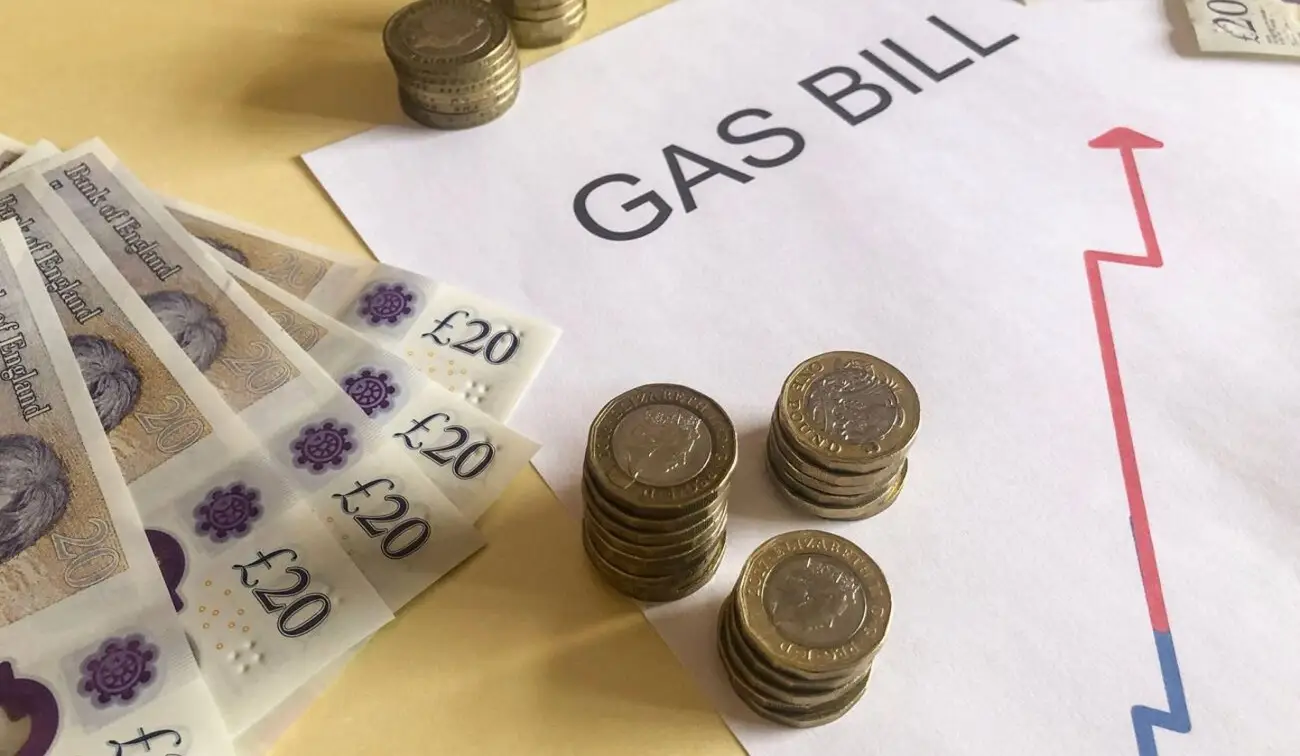
Rising energy costs in the UK have become a serious crisis for the whole community. With the onset of autumn in October, energy costs in the UK have risen; the energy price cap set by the regulator Ofgem has increased by approximately 4 percent. It is causing a sharp hike in annual household bills. This increase foreshadows even greater pressure.
The reason behind this pressure can be attributed to geopolitics. This pressure is based on the clash between the US and Iran and the disturbances at the Strait of Hormuz. From February 2026 onwards, the cost of gas in Europe doubled. Additionally, the stock of gas has dropped to its lowest level in over a decade.
In consequence, there have been considerable increases in expenses, especially for the cost of gas. However, the cost of electricity has risen considerably less because of green power production.
Rising Energy Costs in the UK: More Expensive Bills
Typical annual energy bills are rising by £60 to £1,723 at the start of October, under regulator Ofgem’s latest energy price cap. The increase of around 4% in the cap affects millions of people in England, Scotland and Wales.
It reflects higher wholesale gas costs, which have been pushed up by the US-Israel war with Iran. It means people on variable tariffs should give an accurate meter reading. They- with forecasts of significant increases in bills to come- should prepare for a more expensive winter.
The energy cap fixes the maximum amount. Customers on standard variable tariffs must pay for each unit of gas and electricity used. It covers more than 20 million households in England, Wales and Scotland.
The regulator Ofgem sets it every three months. It affects those paying by direct debit, by standard credit (they pay when they get a bill), or prepayment meters in slightly different ways.
Rising Energy Costs in the UK: Higher Gas Prices
Most of the increase in the energy price cap is driven by higher gas prices. Gas bills are rising by 8%. It means households that do not use gas will see an energy bill increase of less than 1%.
The government’s decision to remove VAT from domestic electricity bills has also affected the new price cap. Ofgem says the typical annual bill would have been £45 higher without that cut.
While Ofgem’s director general for markets Neil Kenward said the price rise for October to December was technically 3.6%, Ofgem always rounds the number, which is why it publicized the 4% figure.
Since the outbreak of war in the Middle East in March, gas prices have climbed higher still, averaging 134 pence per therm or nearly four times the level seen in 2019.
At the same time, European gas stocks are low. This means Europe will have to compete with Asia to secure the cargoes of LNG needed to keep warm.
A Rise in Energy Price Cap: More Difficult Life as Statistics Say
A bar chart shows the energy price cap for a typical household. It is on a price-capped, dual-fuel tariff paid by direct debit, from April 2022 to October 2026. The chart starts with a figure of £1,673. It shows the first two periods from April to September 2022. There is a steep rise to a high of £3,582 in July 2023, then it falls again to a low of £1,414 in July 2024.
The figures then undulate between a low of £1,543 and a high of £1,655 from the period covering October to December 2024 and April to June 2025. They then rise again to £1,584 in January to March 2026. They rise again to £1,663 from July to September 2026.
Rising energy costs in the UK are challenging households. When the new price cap comes into force in October 2026, it will be £1723 under the new typical household consumption values. The typical annual usage figure applies to the first category: dual-fuel households on a standard variable tariff which pay by direct debit.
The latest blow to struggling households was published as millions braced for energy charges to rise by 4% from Thursday as the quarterly energy bill cap climbs to its highest level in three years this winter.
The UK Fuel Poverty: Authorities Say
Craig Lowrey, a principal consultant at Cornwall Insight, said: “These prices are going to hit households hard. January is already a difficult month for many. There is cold weather. Bank balances are still recovering from Christmas, and now they face the biggest price cap rise we’ve seen in four years.
” Moreover, the chief executive of the supplier EDF Energy, Simone Rossi, said the UK was “walking into a second energy crisis”. Speaking to the BBC, he called for the government to do more to lower domestic bills after its six-month VAT holiday. This will save the typical home about £45 a year from Thursday.
Simon Francis is a coordinator at the Energy Fuel Poverty Coalition. He said the number of households in fuel poverty was set to rise again at the most dangerous time of the year. If ministers do nothing, millions will spend this winter in cold, damp homes, unable to cook a hot meal. People will get ill. Some will die. And every one of those avoidable cases will be on this chancellor’s watch.
Rising Energy Costs in the UK: Higher Diesel Prices
In the UK, diesel prices have hit record levels of around £2 per liter. In contrast, recent Carbon Brief analysis shows that electric cars are up to nine times cheaper to drive.
The RAC motoring group said on Friday that the average price had reached 200.01p a liter. It means the cost of filling up an average family car is now £110. It is nearly £32 more than before the Iran war.
Rising energy costs in the UK include petrol prices. Petrol prices are also continuing to rise. A liter of unleaded costs 174.1p on average, a 31.5% increase since 28 February.
As a result, the cost of a typical tank is £96, just over £23 more than before the US-Iran conflict. Capital Economics estimated that a ban on US exports of diesel could raise UK diesel prices from £2 a liter to £3 a liter and push inflation up to 5%, from 3.1% in August.