BBC’s Budget Cuts: Can Britain’s Public Broadcaster Adapt to Changing Media Market?
The financial problems of the UK have finally come to affect one of the most famous media organizations in
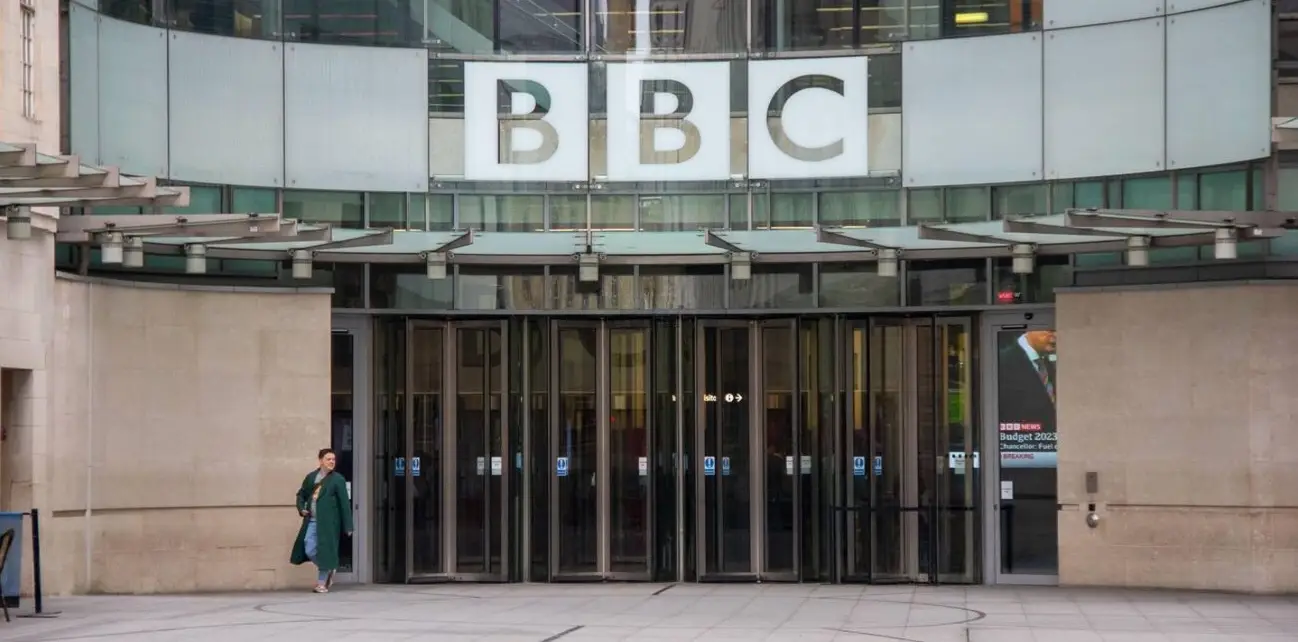
The financial problems of the UK have finally come to affect one of the most famous media organizations in the country. One of the most prominent pillars of Britain’s broadcasting system – the British Broadcasting Corporation (BBC)- faces the challenge of cutting expenses.
The corporation has already initiated the redundancy process as part of the plans to save £500 million and could dismiss about 2,000 workers. In particular, the government raised the yearly color TV license fee to £180 in April 2026.
Moreover, the funding system will be maintained until the expiry of the current Royal Charter in 2027. We examines the BBC’s financial crisis, planned cost cuts, and the challenge of adapting its public services to changing media habits. BBC’s budget cuts have become an important part of this financial challenge.
BBC’s Budget Cuts and Budget Dilemma
Linear TV is not the dominant form anymore. Increasingly, people opt to watch shows using other media platforms, such as YouTube and streaming. The BBC has thus been under increasing pressure to allocate more budget towards digital media services.
The management of the BBC has also stated that it would be necessary to reassess traditional broadcasting media as audiences migrate online.
The cost-saving measures currently being implemented are targeting those services which give little value for money and the areas that do not have the audiences necessary to justify spending.
This is a dilemma because the BBC cannot afford to continue funding all the traditional media services and at the same time allocating much money to the development of digital media.
The Future of BBC Three
BBC Three has become one of the most vivid examples of this phenomenon. The television channel was established in 2003 before moving into online space in 2016 with the aim of minimizing expenses on its operation.
In 2022, BBC Three was re-launched on linear TV, but the number of viewers is low. Now, there is a risk that BBC Three could go back to being available only online.
Recent reports indicate that BBC is considering this option as part of a general cost-cutting process. BBC’s budget cuts could make such changes more likely. The matter is determined both by the number of viewers and the cost of operations.
According to The Guardian, only 4% of the UK population watches BBC Three live every week. The cost per user hour for the channel is 18p in 2024–2025, while this indicator is 10p for BBC One and 9p for BBC Two.
BBC’s budget cuts and BBC Scotland
BBC Scotland was set up in 2019 to broadcast Scottish programs exclusively. Nonetheless, the live viewership of this channel is quite limited.
According to the latest figures from the BBC, as reported by The Guardian, only 12 percent of the population of Scotland views the programs live on TV. But 54 percent of adults living in Scotland watch the content of BBC Scotland each week via TV, iPlayer, radio, and internet services.
This disparity is significant because it indicates that perhaps the issue is not the lack of interest in Scottish content. Perhaps people have other ways of accessing that content through different means.
The BBC has made plans to cut 60 jobs in Scotland as part of a £10 million cost-saving program. BBC’s budget cuts are also affecting the corporation’s regional operations.
The Wider Effect of the BBC Budget Changes
Not only are the changes happening within two TV channels; the BBC has cut back on radio and news broadcasting too. The BBC will reduce the total number of hours of radio broadcasting by 350-400 in the following financial year.
In addition, there have been cuts in presenter positions and programs that are a part of BBC history. This is a sign of the changes in the corporation.
BBC’s budget cuts are changing the way the corporation manages its services. The BBC does not just close down those services that do not draw many viewers. Instead, it evaluates the way its public service operates.
In addition, the possible loss of up to 2,000 positions introduces yet another aspect into the discussion. Although cutting back on positions may save money for the company, it may influence its ability to create independent journalism, entertainment, and culture programs.
The License Fee Matters
The BBC’s financial model makes this debate particularly important. Unlike most commercial broadcasters, the corporation receives the vast majority of its public funding through the television licence fee. The current annual color license costs £180.
Households need a license to watch or record live television and to use BBC iPlayer. The government has committed to maintaining the current funding model until the end of the present Charter period in December 2027.
This system gives the BBC a substantial and relatively predictable source of income. The government’s 2025 Charter Review documents state that the BBC received £3.8 billion in license fee revenue during 2024–25.
However, predictable funding does not remove the need for financial discipline. BBC’s budget cuts have raised questions about how the corporation uses public money.
The BBC still has to demonstrate that it uses public money efficiently, particularly when many households face their own financial pressures.
Public Service and Financial Pressures
This is where the debate over the BBC becomes wider than its internal management. People do not pay the licence fee because the BBC operates like a normal commercial company. They pay because the BBC has public service responsibilities. The responsibilities include news, education, culture, entertainment and services for different communities across the UK.
The BBC also has obligations to maintain a broad national presence. The government has acknowledged this wider role. Its 2026 license fee announcement described the BBC as the UK’s most widely used and trusted news outlet and said the license fee would provide financial stability for the remainder of the current Charter period.
This issue creates a difficult standard for management. The BBC must reduce unnecessary spending while protecting the services that audiences value. It cannot measure success only through financial savings.
A Bigger Question about Public Broadcasting
The current crisis also raises a more fundamental question about the future of public broadcasting in Britain. The BBC was built around a media environment in which television and radio occupied central positions in everyday life. That environment has changed. Younger audiences often consume content through phones, streaming platforms and social media.
They may still use BBC content, but they do not necessarily watch it through traditional BBC channels. This means the BBC needs to rethink its structure without abandoning its public purpose.
BBC’s budget cuts are part of this wider structural challenge. Closing or moving some channels online could become part of that adjustment. The key issue is whether the BBC can reach the same audiences with fewer physical and traditional broadcasting costs.
Can the BBC Adapt Without Losing Its Identity?
The BBC now faces a difficult balancing act. It needs to reduce costs, respond to changing audience behavior, and invest in digital services. At the same time, it must maintain enough original content to justify its role as a public broadcaster.
The answer may not lie in protecting every existing channel. Some services may work better online, while others may still need a traditional broadcast presence.
The BBC can also reduce duplication and direct more money towards services that attract wider audiences.
However, the organization must explain these choices clearly to the public. If households continue to pay £180 a year for a license, they will expect the BBC to show that its spending reflects modern viewing habits and public needs.
A New Model for the BBC
The BBC’s financial difficulties reveal a much larger problem than the possible closure of BBC Three or BBC Scotland. The corporation must adapt to a media market that has changed rapidly while continuing to fulfil its public service role.
BBC’s budget cuts could help the organisation become more efficient, but the savings will come with difficult choices. Up to 2,000 jobs could disappear, traditional channels may move online, and radio and television output could shrink.
The deeper question is what Britain expects from a publicly funded broadcaster. The BBC cannot remain unchanged while audiences move online and production costs rise. Yet it also cannot measure its value only through audience size or cost per viewer.
The decline in linear television audiences, changing media habits of the public, rising program production costs, and multiple economic pressures in Britain mean that the BBC’s traditional model no longer works.
The future of the BBC will depend on whether it can build a smaller and more digital organisation without losing the public purpose that has supported its position for generations.