Islamophobia in the UK: What Is Driving Anti-Muslim Discrimination? __An Interview With Shameen Suleman
Islamophobia in the UK remains a growing concern, with anti-Muslim discrimination appearing in politics, media, social media and everyday
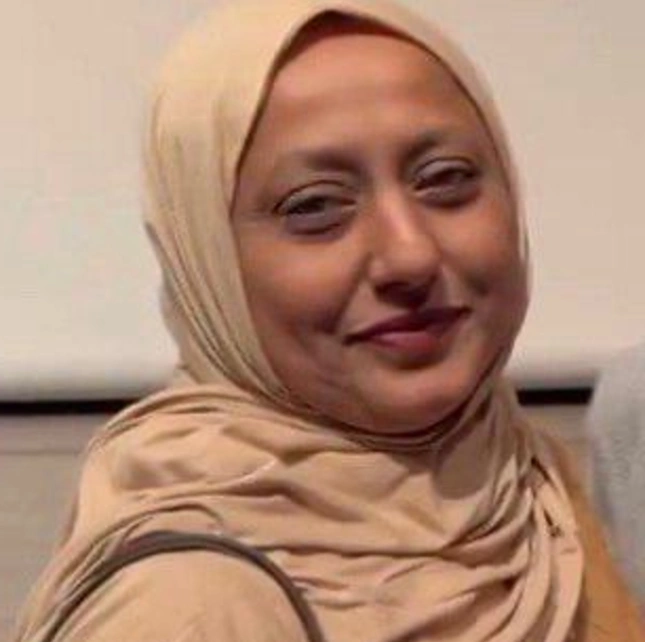
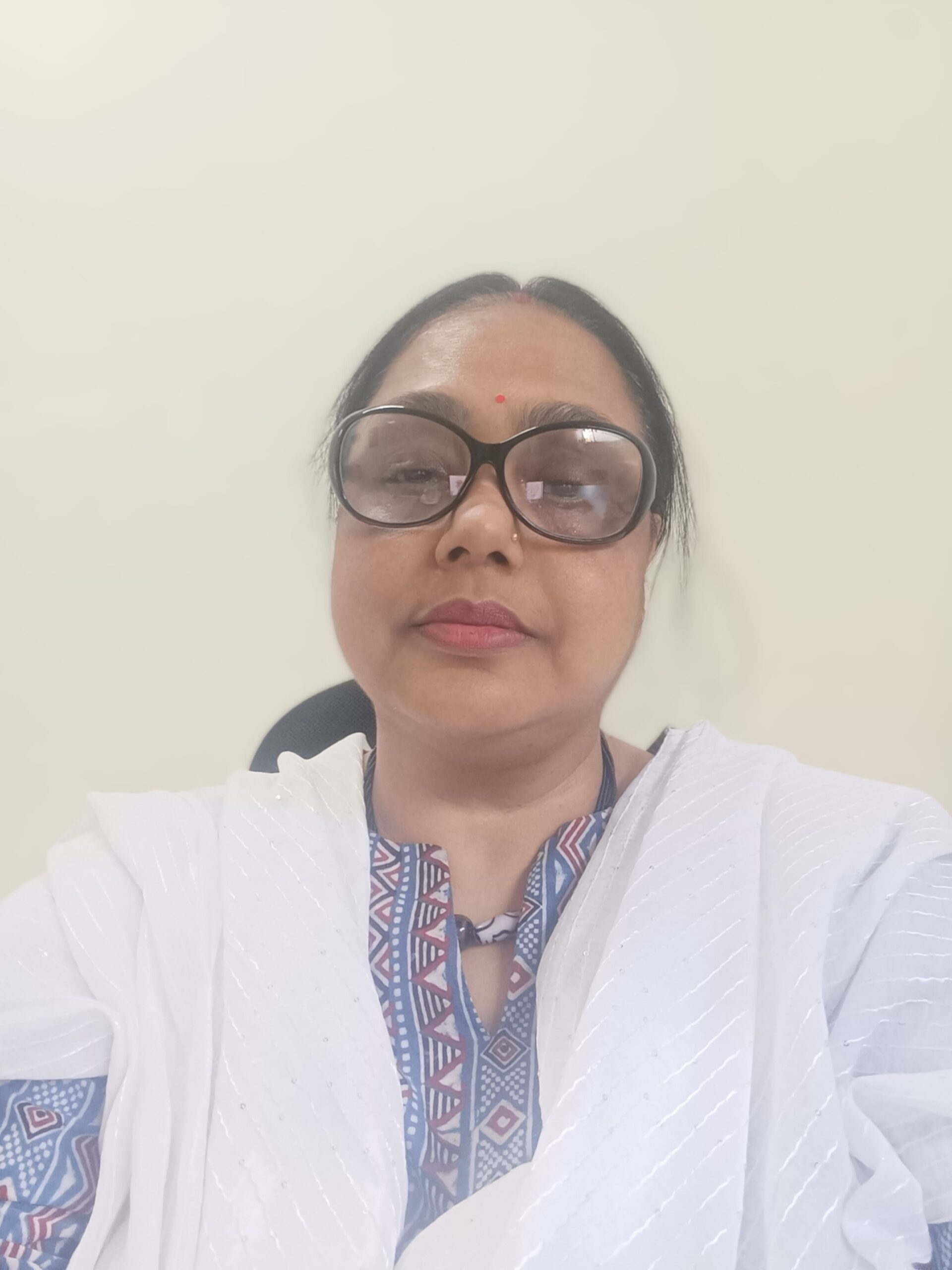
Islamophobia in the UK remains a growing concern, with anti-Muslim discrimination appearing in politics, media, social media and everyday life. What is driving anti-Muslim hatred in Britain, and what can be done to tackle it? We spoke to UK-based human rights activist and journalist Shameen Suleman to find out.
-
What are the main factors driving Islamophobia in the UK today, and how has anti-Muslim discrimination changed in recent years?
I want to start by saying that I personally prefer the term anti-Muslim hatred rather than Islamophobia. A phobia generally describes a fear, whereas what we’re dealing with here goes far beyond fear. We’re talking about hatred, prejudice and discrimination against Muslims.
I think one of the biggest problems in Britain today is that anti-Muslim hate is becoming more common and more accepted. It doesn’t come from just one place. We see it through sections of our politics and media, across social media, within far-right movements, and through the constant link made between Muslims and terrorism, extremism, immigration or somehow being a threat to British values.
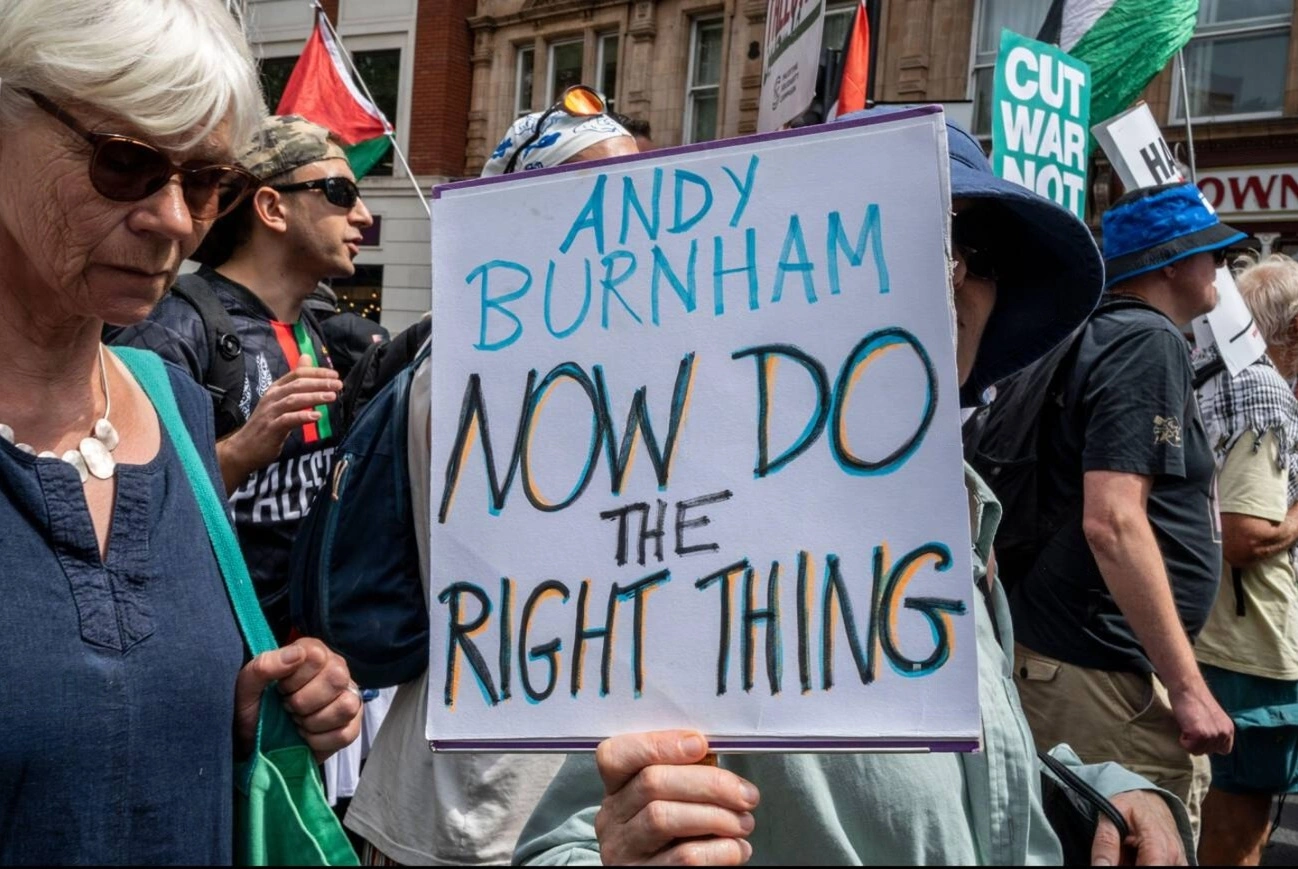
And we cannot separate the current climate from what has happened since October 2023 and the genocide in Gaza. British Muslims who speak about Palestine, protest against what is happening or simply demand Palestinian rights can find themselves labelled extremists or terrorist sympathisers. We also saw after the horrific murders in Southport how quickly false information spread online. Muslims were blamed for something they had absolutely nothing to do with, and that hate spilled onto our streets, with mosques and Muslim communities targeted.
Tell Mama recorded 6,313 anti-Muslim hate cases in 2024, the highest number it had ever recorded. So this isn’t simply about isolated individuals. When the same anti-Muslim messages are repeated often enough, especially by people with powerful platforms, they make it seem acceptable to hate or attack ordinary Muslims. And eventually, that hate doesn’t stay behind a screen. It walks onto our streets.
-
How widespread is Islamophobia in Britain, and which forms of anti-Muslim hate in the UK are most commonly reported?
Anti-Muslim hate in Britain is much more common than many people want to admit. And I think the real number is probably much higher than official figures show, because many people simply don’t report what happens to them. Sometimes people think nothing will be done, and sometimes they have sadly just become used to it.
It can take many forms. It can be someone shouting abuse in the street, threats, online hate, attacks on mosques, or physical violence. But it can also be much quieter. It can be being treated differently when applying for a job because of your Muslim name, being treated differently at school or work, or simply being looked at with suspicion because of the way you dress.
Muslim women can be at greater risk, especially women who wear the hijab, because their faith is visible. And then there are the things that rarely make the news: the looks, the comments, the jokes, being treated as if you are somehow less British because you are Muslim.
And I think that’s important. Anti-Muslim hate cannot only be measured by the number of crimes reported to the police. There is an everyday side to it too. Many British Muslims were born and raised here. Britain is our home. We shouldn’t have to hide our faith or keep proving that we belong here just to be treated with the same respect as everyone else.
-
What role do political rhetoric and public debates play in shaping attitudes toward Muslims and contributing to Islamophobia in the UK?
I think people in politics and people with big public platforms have a huge duty to think about the words they use, because words have real effects. When Muslims are always talked about alongside terrorism, extremism, immigration or being a threat to Britain, people hear that message again and again. And after a while, some people start looking at ordinary Muslims in exactly the same way.
We saw a very clear example in London this year. On 16 May, while we were marching to remember the Nakba and standing for Palestine, Tommy Robinson held his Unite the Kingdom rally in London.
There is this argument that the problem isn’t with Muslims, it’s with Islam. But I’m a Muslim. Islam is my faith. It is part of who I am and how I live my life. You cannot keep attacking the faith of millions of people and then act surprised when that hate reaches the people who follow it.
And we see the same danger around Palestine and the genocide in Gaza. Muslims and others who speak out can quickly be called extremists or terrorist supporters. Supporting Palestinian rights does not make somebody a terrorist.
Of course we can debate religion, politics, immigration and security. But there is a big difference between debate and using Muslims or Islam to create fear. People with power can bring communities together, or they can help divide them. And ordinary Muslims are the ones who have to live with what comes next.
-
How does media coverage of Islam and British Muslims contribute to Islamophobia and anti-Muslim prejudice in Britain?
For me, the biggest problem with some media coverage is not always what they report, but how they report it. The headline they choose, the picture they use, the words they use and which part of a story they decide to focus on can completely change how people see it.
We see this very clearly with Palestine. A Palestinian can be killed and the headline can almost remove the person who killed them. But when the story involves a Muslim accused of violence, their background or religion can suddenly become a major part of the story. That difference matters.
There is also a problem with who gets a voice. Muslims are often spoken about, but how often are ordinary Muslims actually asked to speak for themselves?
The Centre for Media Monitoring looked at more than 40,000 articles from major British news outlets in 2025 and found serious problems with the way Muslims and Islam were covered.
I am not asking the media to give Muslims special treatment. If there is a crime, report it. If a Muslim has done something wrong, report that too. But use the same rules for everyone.
Because good journalism should give people facts and let them think for themselves. It should not tell people who they should fear.
-
What impact does Islamophobia have on British Muslims in areas such as employment, education, housing and everyday life?
I think the impact goes much deeper than people realise, because it can affect almost every part of someone’s life.
Take employment. You can have the right skills and the right experience, but still wonder whether your Muslim name, your hijab or your faith has affected whether you get that interview or that job.
Then there is education. Muslim children can face comments, bullying or being treated differently because of their faith. And that stays with a child. No child should go into school feeling that being Muslim makes them a problem.
But I think the everyday impact is just as important. The woman wearing a hijab who thinks twice about getting on a train alone, or someone looking over their shoulder after leaving the mosque. It’s parents worrying about their children, and also wondering whether your name, your clothes or even saying you’re Muslim will change the way somebody treats you.
Recent research has also found that many Muslims in Britain have faced prejudice because of their religion.
And that has a human cost. You start changing how you behave just to feel safe. Nobody should have to make themselves less Muslim to feel more British. The two are not opposites. You can be proud to be Muslim and proud to call Britain your home.
-
What measures could the UK government, political parties, media and wider society take to reduce Islamophobia in the UK and tackle anti-Muslim hate?
For me, the first thing is very simple: take it seriously. Don’t wait until a mosque is attacked or somebody is hurt before we decide there is a problem.
The government has taken some steps. There is funding to protect mosques, support for people reporting anti-Muslim hate, and in 2026 the government brought in a new working definition of anti-Muslim hostility. But laws and definitions on paper are not enough. People need to see action.
Political parties also need to look at themselves. If one of their own politicians uses language that spreads fear or hate towards Muslims, they should deal with it. It shouldn’t matter which party they belong to.
The media has a duty too. I’m not asking for special treatment. I’m asking for fair treatment. Check the facts, use the same standards for everyone, and give British Muslims a chance to speak for themselves instead of always having other people speak about us.
Schools and workplaces also need to take anti-Muslim hate seriously, and people need to feel safe reporting it.
But most of all, Muslims shouldn’t have to fight this alone. If you stand against racism, hatred and unfair treatment, that should include Muslims too.
We aren’t asking for special rights. We’re asking for the same rights, the same safety and the same respect as everybody else. And that shouldn’t be too much to ask.