
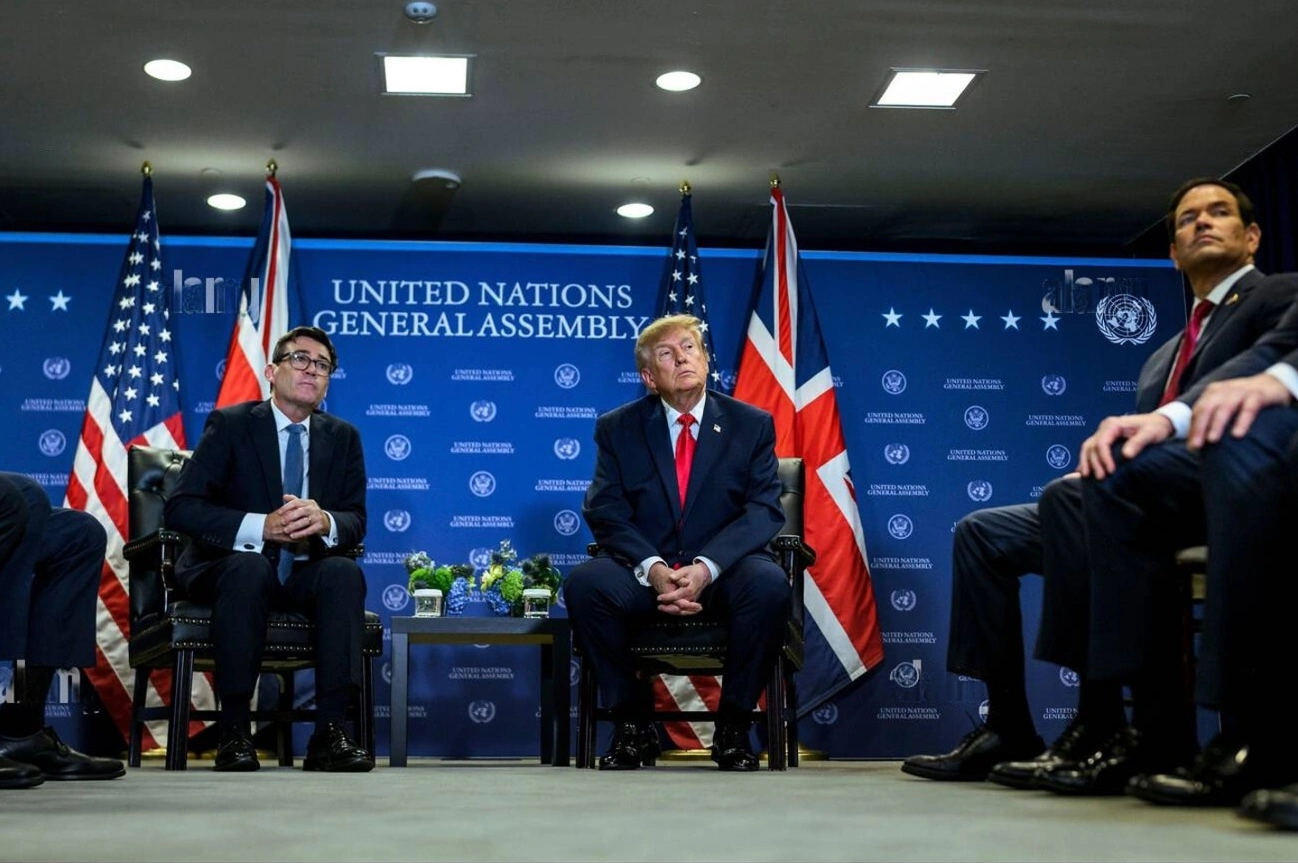
US Tariff Impacts on UK’s Economy: Why Britain Can No Longer Depend on the US Alone?
The recent tariffs imposed by the United States on Britain’s products have created new worries about the future development
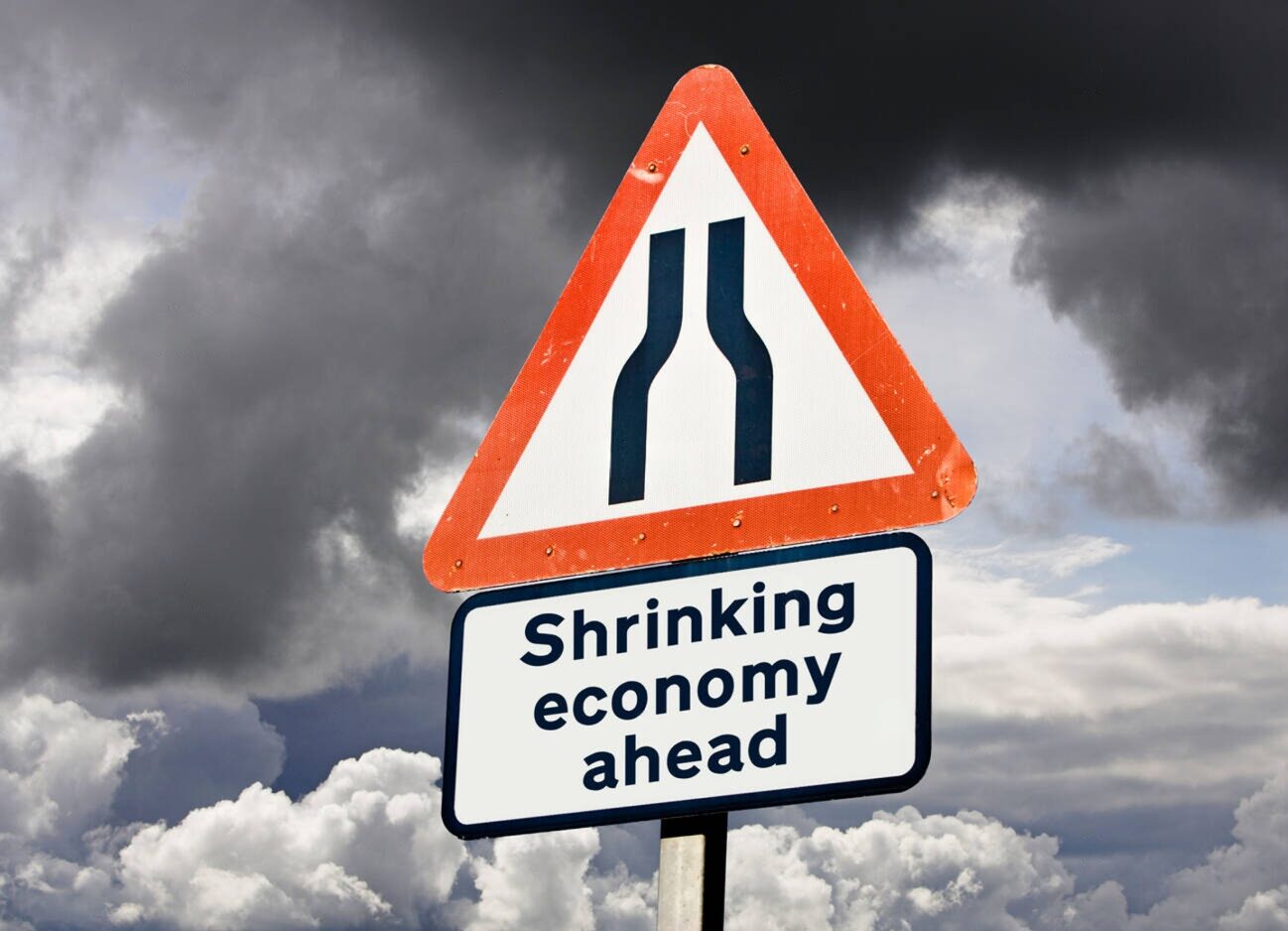
The recent tariffs imposed by the United States on Britain’s products have created new worries about the future development of the economic relationship between the two nations. For many years, the governments of Great Britain used to be convinced that the existing strong political and strategic alliance with the United States would also serve as a good guarantor of trade relations. However, some recent actions of the government of Donald Trump demonstrate that this assumption becomes more and more groundless. The introduced tariffs are related to Britain’s exports and are likely to stay in effect for a considerable period of time. In fact, according to many experts, such a decision is connected with a bigger trend in the US trade policy. This article explores the US tariff impacts on UK’s economy and the wider consequences.
The Emergence of a New Reality in US-UK Trade Relations
For decades now, Britain has characterized its relations with the US as “a special relationship.” Cooperation continued regardless of which political leaders came into power as far as defense and intelligence were concerned. Nevertheless, the trade policies pursued by the two countries have recently separated.
The current US government has frequently resorted to imposing tariffs in negotiations both with its allies and rivals. It is clear that the country did not exclude Britain despite their diplomatic partnership. As reported in the BBC and the Guardian, the new tariffs constitute just a part of a wider package that includes more than 60 countries. Many businesses are now assessing the US tariff impacts on UK’s economy.
Impacts of the US Tariffs on the Economy of the UK Go Far Beyond the Financial Losses
Besides the financial losses caused by the introduction of higher tariffs, there is an issue of uncertainty. Companies are hesitant to boost production if they do not know what the future holds for them. Manufacturers have to choose whether to cover increased costs themselves or increase prices, which decreases their competitiveness in the US.
In addition, economists indicate the role of uncertainty in investment decisions. Foreign investors tend to seek stable markets where they can predict all regulations. Changes in tariff policies lead foreign businesses to avoid investments in such countries. These developments show the US tariff impacts on UK’s economy for both investors and exporters.
More of a Pattern Rather Than an Individual Conflict
These types of tariffs have not been considered individual in nature but rather something bigger. Throughout his two presidencies, Donald Trump has continuously implemented tariffs on the products of other countries in order to make them bend to his will in negotiations. The officials in Washington have said that tariffs help safeguard American industries and increase their power in negotiations.
Many economists argue that this tariff policy creates greater uncertainty in global trade. They also believe it weakens long-term trading relationships between countries. Recent reports indicate that the United States intends to keep these tariffs in place for a foreseeable future. This has further alarmed the British exporters who rely largely on the American market.
Post-Brexit Challenges Facing Britain
Timing of such tariffs adds another layer of challenges since Britain is yet to stabilise in terms of its economic system post Brexit. Following Brexit, many British administrations have made it their priority to develop trade relations with countries beyond Europe, especially the US. This move was expected to help compensate for any lost business opportunities due to Brexit.
Recent tariffs raise questions about this approach. Rather than making the American market predictable, the new tariffs have made it less stable. Diversification of export markets becomes more necessary as a result. Many trade experts believe that the recent effects of US tariffs on the British economy point to the dangers of over-dependency on one country despite political alliances.
Diversification May Become Strategic
Many economists currently urge Britain to diversify its economic alliances. More business ties with Europe, the Indo-Pacific region, and developing countries may minimize British vulnerability to the unusual changes of American politics. Economic diversification will make its supply chain more resistant and robust in case of future trade disagreements.
The same suggestions were offered by business communities as well. These experts believe that it is necessary for Britain to seek trade deals while boosting its competitiveness on the market by means of manufacturing, innovative technologies, and investments in innovation. Many economists argue that the US tariff impacts on UK’s economy will shape future trade priorities.
Key Strategic Lessons for the British Government
In this regard, the recent tariffs have taught an important lesson to the British government. Being friendly with another country does not necessarily mean there will be stability in their economic interactions. Naturally, any state puts its national interests above any long-established relationship as soon as negotiations get competitive. Therefore, Britain must prepare for a future in which strategic interests shape economic policy.
Historical ties alone will no longer guide the country’s economic decisions. In this sense, many experts say that the UK must work hard on improving its own industries and minimizing dependence on foreign markets in crucial industries. This would help Britain react to future trade shocks more efficiently. At the same time, such steps would reduce the adverse effects of US tariffs imposed against Britain.
Building Economic Resilience after US Tariff Impacts on UK’s Economy
Economic resilience cannot be achieved simply by entering into new trade deals. It will require predictable industrial policies, better export promotion, and close cooperation with dependable trading partners. Many economists believe that the renewal of business ties with Europe must form a part of such a policy, but keeping good relations with the US as well.
Building up a wider circle of economic associations will lessen Britain’s vulnerability to any changes in the policy of a particular country. Economists say that firms value predictability at least as much as access to markets.
A New Era for Britain’s Economic Strategy
New American tariffs indicate that historic alliances will not necessarily offer economic security. The relations between the UK and the US are very important, but recent events have shown that the US is ready to follow its economic interests even if it negatively affects close allies.
The impact of US tariffs on the UK’s economy is not just a temporary trade issue. It indicates that there should be a new approach to the national economy and its strategy. Britain has an opportunity to become more resilient and flexible through the development of international relationships, the improvement of its competitiveness, and the reduction of reliance on one market. The debate over the US tariff impacts on UK’s economy is therefore likely to remain at the center of Britain’s economic policymaking in the years ahead.