Will Scotland Vote for Independence Again? The Road to 2028. An interview with Felipe Cruz.
The Scottish election results have left Scotland at a political crossroads. The SNP secured a historic fifth term in
The Scottish election results have left Scotland at a political crossroads. The SNP secured a historic fifth term in government. However, it failed to win an overall majority. This has raised new questions about Scottish independence and the possibility of another referendum by 2028.
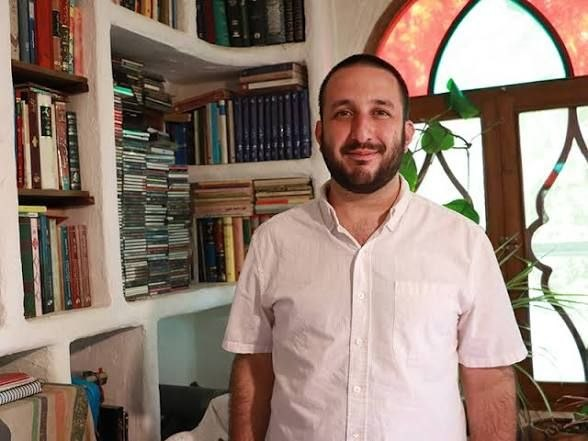
Felipe Cruz, Professor of History at Tulane University, says the results reflect a fragmented political landscape. He argues that voters are frustrated with the status quo and increasingly skeptical of both Holyrood and Westminster. According to Cruz, the SNP remains the dominant force in Scottish politics, but the path to independence is now far less certain.
1- From your perspective, what do the Scottish election results tell us about the current political mood in Scotland?
From the most recent Scottish Parliament election results, the political mood in Scotland looks fragmented, anti-incumbent, and increasingly transactional. Here’s what stands out:The SNP won an unprecedented fifth term in government, but fell short of John Swinney’s aim of an overall majority. That means another minority government, and Swinney himself said a majority was the prerequisite for a new independence mandate — which he didn’t get. So the mood isn’t strongly pro-independence, but it isn’t a full rejection either. Independence polling is still close: 53% Yes vs 47% No among likely voters.
2- Many expected Labour to gain more support — why do you think the Scottish election results fell short of expectations for the party?
Labour and the Conservatives both had their “worst result in the history of the devolved parliament”. Anas Sarwar admitted Scottish Labour “didn’t win the argument” and the party is “hurting”. For Labour, damage was partly “made in London”. Keir Starmer’s favourability in Scotland has tanked to 16%, now lower than Donald Trump’s 20%.
Voters are punishing incumbents and Westminster parties alike. Reform UK went “from nowhere to 17 MSPs” and tied Labour for second place in seats. They’re drawing level with Labour in regional vote polling too.
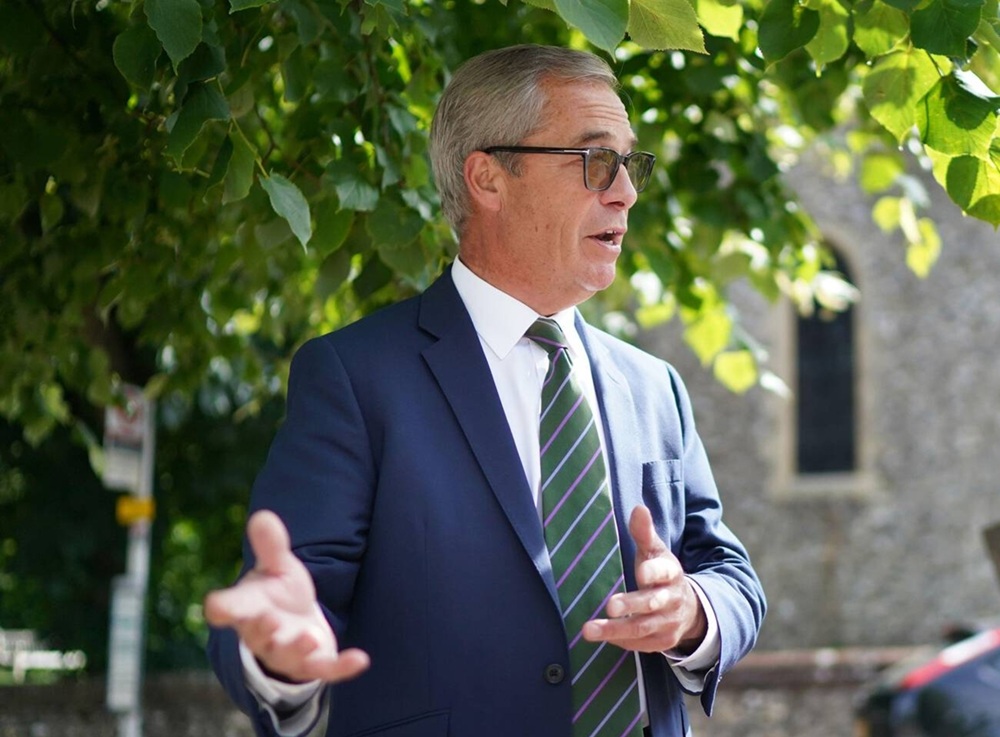
Nigel Farage and Reform are gaining ground, with 1 in 4 Scots now viewing them favourably. Meanwhile, the Scottish Greens had a “fantastic night”, winning their first-ever constituency seats in Edinburgh Central and Glasgow Southside and landing 15 seats total. Their left-wing populist message hit with young urban voters.
3- The SNP remains the largest party but without a majority. What political or policy challenges could this create in practice?
The SNP won a 5th term but no majority. That means minority government + constant deal-making with Greens, Lib Dems, or others to pass budgets. Swinney said a majority was needed for a new independence mandate — he didn’t get it. So the biggest immediate test is: can they govern effectively when the parliament is fragmented and voters are disillusioned? Add to that the policy crunch.
The NHS, economy, education and cost of living are the top voter priorities, but public finances are tight. Labour’s UK government is also unpopular in Scotland, so blaming Westminster only goes so far. The SNP still lead on trust to handle these issues, but that trust has been “on the wane”. If services don’t improve, that goodwill evaporates.
4- To what extent do you think voter behaviour in Scotland was shaped by Scottish issues versus UK-wide politics under Keir Starmer?
Turnout was low — “nearly half of voters stayed at home” and early results showed it fell below 2021 levels. Among those who did vote, 21% said they voted tactically to keep out a party they disliked rather than for their first choice. So the election wasn’t won on enthusiasm — it was shaped by negative voting. The Social Democrats stole the SNP’s old “change” messaging, and Reform’s pitch is “rip up decades-old political systems”.
But no single alternative has replaced the SNP. Instead, the parliament is more fragmented: SNP still dominant but diminished, Greens and Lib Dems with leverage, Reform as a new unionist force, and Labour/Tories hollowed out.
5- Do these results strengthen the SNP’s argument for Scottish independence, or has the political conversation shifted since previous elections?
Bottom line from my perspective: Scotland isn’t swinging hard in any one direction. Voters are tired of the status quo, skeptical of Westminster, and splitting between SNP-as-default, Green progressive votes, and Reform protest votes. Low turnout + high tactical voting = a mood of disillusionment rather than momentum.
The next Holyrood term “may be the most difficult of the devolution era” because no party has a decisive mandate. Yes leads No 53% to 47% in recent polling, so the constitutional issue hasn’t gone away. But without a Holyrood majority, the SNP has no mandate to push indyref2. Meanwhile, Reform’s rise gives unionism a new, populist voice in Holyrood.
6- Looking ahead, what do you think will be the biggest test for Scotland’s political leadership over the next few years?
Looking at the election results and polling, Scotland’s political leadership faces 3 big tests over the next few years. None are easy — and they all overlap. The test is strategic: Does the SNP keep independence on the back burner and focus on delivery, risking their base? Or push it and risk looking out of touch when voters care about NHS waiting lists? For unionist parties, the test is whether they can offer a positive vision for Scotland in the UK, not just “No to SNP”.
My take: The single biggest test is legitimacy. Low turnout + tactical voting + fragmented parliament = voters who don’t feel represented. The next few years will show whether Holyrood can still deliver for people who are tuning out. If it can’t, the “most difficult of the devolution era” prediction will be right. The old Labour vs SNP vs Tory dynamic is gone. Reform UK just went “from nowhere to 17 MSPs” and is tied with Labour for 2nd place. Greens won first-ever constituency seats. Turnout was low and 21% of voters said they voted tactically to keep someone out, not for someone they liked. So the mood is anti-incumbent and protest-driven.
The test for all parties is: can they rebuild genuine enthusiasm? For the SNP, it’s whether they can re-energize the independence case or pivot to delivery. For Labour/Tories, it’s basic survival after their “worst result in the history of the devolved parliament”. For Reform/Greens, it’s proving they’re more than a protest vote.