

FIFA World Cup and its Impact on Scottish Football Fans’ Drinking Culture and Social Problems
It is well known that the FIFA World Cup usually brings feelings of national unity and national pride. It
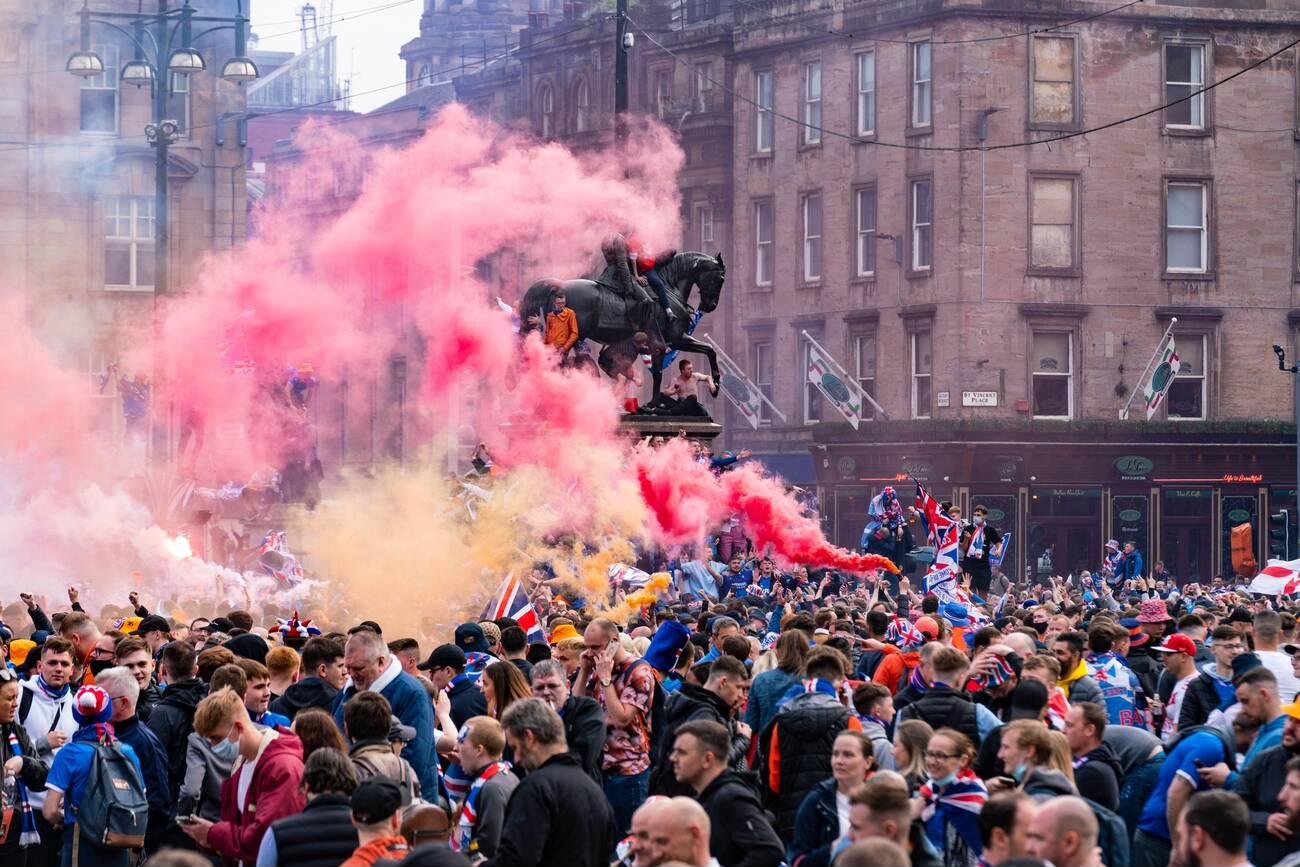
It is well known that the FIFA World Cup usually brings feelings of national unity and national pride. It often unites fans under one banner as they support their team and country in the international competition. However, the case is not always like this when it comes to Scottish football fans. While it is evident that there are some key components of football culture, such as passion and loyalty, in Scotland, participation in any important football competition usually involves partying, heavy drinking, and even risky behaviour. In light of growing discussion surrounding Scotland’s participation in the 2026 FIFA World Cup, this article examines the relationship between football culture, alcohol consumption, and associated social problems in Scotland.
Scottish Football Fans and a Culture of Passion and Intensity
Football enjoys an almost unique position within the culture of Scotland. The sport is associated with the local communities, the family roots, and the national culture of Scotland. However, Scottish football fans have shaped their public image through strong emotions as well as their passion for the sport. For many years, the celebration of games has been marked by large crowds gathering in pubs, in central cities, and on public property.
In addition, many football fans see drinking as a normal practice when attending matches. During one of the studies conducted among English and Scottish football fans, 74.4% of respondents saw no problem with drinking at matches, and 76% of respondents supported alcohol consumption at football grounds.
Scotland in the World Cup 2026 and New Concerns of the Authorities
With the return of Scotland to the world of global football, there have been many expectations among football enthusiasts and players alike. However, the participation of Scotland in the World Cup 2026 has raised some concerns related to the behaviour of its supporters while visiting other countries.
Recently, the authorities of Britain have issued a new warning to both Scottish and English supporters due to America’s tough laws regarding alcohol consumption. In many of the host cities, drinking alcohol on the streets is illegal, and even holding an open can of beer on the streets may earn one fines or even imprisonment. There are many reasons behind such warnings made by the authorities.
The Complex Role of Alcohol and Football in Scottish Society Over Time
There have been debates on the connection between alcohol and football in Scotland for many years. At some point, concerns related to disturbances and issues in terms of security grew so much that there was a complete ban on the sale of alcohol within the premises of the football stadiums in Scotland since the early 1980s. Scottish authorities kept the ban in place for almost four decades before they eventually removed it, making it one of the longest restrictions in Scottish football history.
While opinions vary, one thing is for sure: the government saw the need to make this move, which showed how serious they felt about the matter. Today, politicians, football officials, and supporters still disagree on whether lifting the ban was the right decision. It goes without saying, though, that alcohol has had a considerable effect on the Scottish football fans’ culture.
The Impact of Alcohol Marketing on Supporters
Another important consideration is the presence of alcohol advertising in sport. In their studies, researchers at Stirling University discovered that Scottish football and rugby supporters have frequent contact with alcohol sponsorship and marketing. Researchers found that alcohol references appeared about once every 98 seconds during a televised Scottish football match.
According to another study, 79 percent of Scottish fans said they had seen alcohol promotion related to football. Moreover, some respondents admitted that they understood the importance of alcohol for the survival of professional football. Such exposure raises alarm in health communities as well. Critics claim that the exposure to constant advertising makes people associate the enjoyment of football games with drinking alcoholic beverages. Because children encounter these messages from an early age, the debate over responsible sponsorship has become increasingly important.
Consequences in Society
The influence of alcohol consumption related to football does not remain only inside stadia or fan zones. Various social groups in Scotland have been pointing out the problem of the consequences that occur when big tournaments take place. Among these consequences, there is one which should be discussed. Domestic violence becomes more widespread due to the rise of alcohol consumption among men during big football matches.
As crime prevention organisations note, the number of cases of domestic violence related to football increased by up to 38 percent during such tournaments. This information makes people realise another unpleasant truth. While men feel happy watching football, some of them begin acting violently in their homes, under the influence of alcohol. Domestic violence has many causes, but excessive alcohol consumption can contribute to the problem.
Drink Driving and Public Safety Issues
A second area of concern with regards to major football games is drink driving. The long sessions of consumption that come before and after matches present even greater dangers in terms of road safety in Scotland. Police have conducted many campaigns informing football fans about the risks associated with impaired judgment and slow reactions when one has consumed alcohol.
Public safety experts warn against football fans’ irresponsibility behind the wheel. Even small improvements could be the difference between life and death. This issue becomes even more serious during international tournaments because organisers often schedule matches at unusual times. Football fans can start drinking very early in the day and extend their celebrations until late in the evening.
Why the Problem Is Not Limited Only to Football Supporters
It would be unfair to claim that this is an issue which is the result of the actions of football supporters. The majority of fans lead their lives in a civilised manner and never indulge in violent or criminal behaviour. It goes beyond the problem of individual attitudes to drinking alcohol. Alcohol has been a part of various events in Scotland for a long period of time. Football serves just as one of these occasions where people show such attitudes. Studies have shown that a large number of fans view the use of alcohol in connection with football as natural. This makes it even harder to deal with the problem since people take it for granted.
Creating a Culture of Responsible Fan Behaviour
Change for the better is within reach. Many supporter clubs promote positive actions. Scottish football fans are often acknowledged for their philanthropy and friendly demeanour in international competitions. Governments, football bodies, schools, and community organisations can learn from the good examples set by these fan clubs.
It would be wise to launch a campaign aimed at educating supporters about the need for responsible alcohol use and the potential dangers of heavy drinking. Football governing bodies can take steps to make football grounds a welcoming place for families during games. Eliminating negative behaviours does not necessarily mean stifling enthusiasm. Fans can continue to celebrate wins, cheer on their teams, and partake in tournaments without posing any harm to themselves or anyone else.
A Safer Culture for Scotland through Football
Scotland’s presence at the World Cup 2026 brings a significant national discussion to light once again. Scottish society still treats football as a source of national pride, but alcohol also links it closely to several social problems. Past stadium alcohol bans, growing reports of fan aggression and fights, increases in domestic violence cases, and repeated official warnings all show this connection clearly.
The main problem here is cultural rather than an individual one. Incentivising responsible consumption, increasing prevention of domestic violence around the tournament, and encouraging adult spectator behaviour are steps towards minimising such occurrences. Indeed, football must bring people together and create good memories. It will be up to Scotland to promote responsible actions to guarantee that future tournaments celebrate the best of football culture without the social problems that come with it.