
UK Social Media Ban: Child Safety or Restriction of Freedoms?
The topic of the UK social media ban for minors under 16 has recently become one of the major
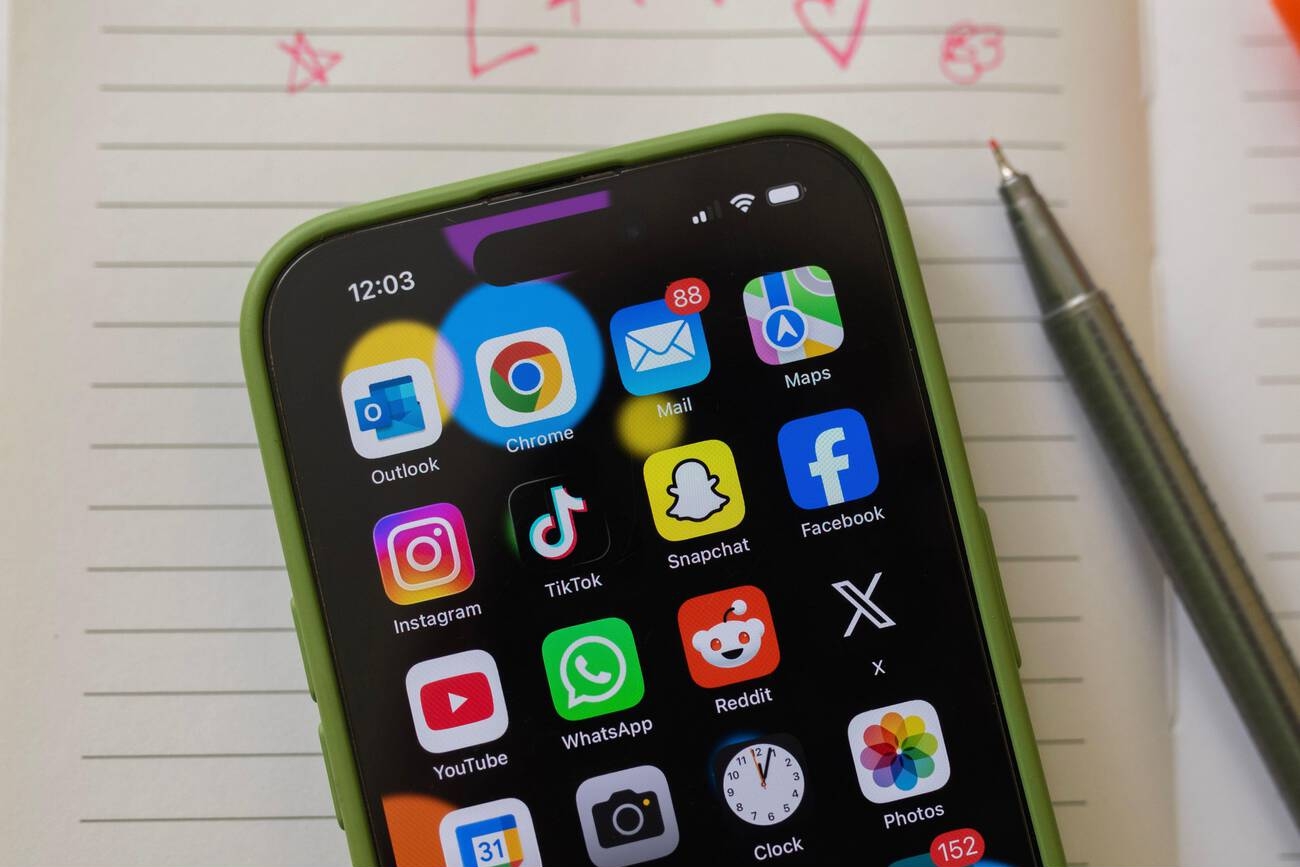
The topic of the UK social media ban for minors under 16 has recently become one of the major issues discussed by British policymakers. The authorities have acknowledged that self-regulation in the tech industry has been ineffective until now. For a long time, tech corporations were using poor protective measures and allowing dangerous material to circulate extensively through their platforms.
The issue has become so prominent that even parliamentary debates and news media have begun addressing this problem. Sources indicate that policymakers are currently exploring options to impose more rigid age restrictions and limitations on the functionality of certain platforms. Many parents and experts consider this measure necessary. They note that children constantly face dangers on the Internet.
Why the Government Adopted a Different Stance on the Matter
For quite some time, British officials tended to opt for a less strict regulatory policy regarding the digital sector. They were urging companies to develop tools for ensuring safer browsing and using social media voluntarily. Nevertheless, this initiative proved ineffective.
The available evidence suggests that there was plenty of toxic material that young users could easily access. It also turned out that, due to prioritising growth, companies did little to make their applications safe to use. Thus, officials were increasingly criticised by both the House of Lords and ordinary people.
Psychological Effects on Teenagers
Another powerful reason to support the proposed ban is the psychological aspect. Various researchers found that heavy use of social media has a connection to anxiety disorders, trouble sleeping, and shorter attention spans among young people. One of the main factors contributing to that effect is the presence of tools like endless scrolling and continuous notifications.
The purpose of these features is to keep users glued to social media platforms for extended amounts of time and not allow any pauses or breaks. As stated by Ofcom, many British children experience being exposed to dangerous or age-inappropriate materials online. This may have an effect on emotional and social development.
Addiction and the Responsibility of Social Media Platforms
The latest social media applications are built on highly sophisticated algorithmic systems designed to promote user engagement. Such software makes recommendations of videos based on consumer behavior patterns, which frequently include extremely provocative and inflammatory videos. This is done purely for the sake of keeping the consumer online for as long as possible.
Yet this addiction poses a number of challenges when dealing with young people. Children do not necessarily have the capability to manage their usage of such apps. The proposed UK social media ban platforms are meant to tackle this problem.
Evidence from UK Regulators
The regulators of Britain have brought up several issues regarding online safety. According to Ofcom, TikTok and YouTube expose a high proportion of children in the UK to inappropriate content. In some instances, the exposure is violent or deceptive. Regulators further established that there is an inconsistency when it comes to online protection on different social media platforms. Although there was an introduction of parental controls, the majority of these controls were not effective. This gave even more reason to advocate for the UK social media ban.
Comparison with Other Countries
The United Kingdom does not stand out as the only nation that contemplates stringent regulation of the internet. Australia has already established a tough law restricting the access of children under 16 to social media networks. Furthermore, several other European nations have taken the same step by tightening their laws related to the accountability of online platforms.
In most cases, these regulations include monetary fines or other obligations that require companies to comply with stricter standards. The UK was comparatively late to take action since it spent years warning companies.
Support from the Public and Pressure from Politicians
The opinions of people have been instrumental in convincing the government to take any steps. According to a YouGov survey, 75% of Britons support stricter online age-verification laws designed to protect children from harmful online content, reflecting strong public and parental support for greater regulation of children’s internet access.
This is due to concerns regarding future implications for the kids due to exposure to digital media. Reports in the media made people more aware of the situation. The media covered issues related to addiction and abuse. Consequently, politicians came under immense pressure to act on this matter.
Issues of the Economy and Industries
While having many advantages, the UK social media ban has sparked debate within the tech industry. Companies say that such legislation could hinder their ability to innovate and grow their user base. Social media platforms rely greatly on the youth to sustain interest in their products for a longer period of time. Banning access to social media will harm business, as the companies may struggle to collect enough advertising revenue. It is also quite hard to check the age of a person online without breaching their privacy.
The Future of the UK Social Media Ban
The enactment of the proposed ban on social media platforms in the United Kingdom will bring about new dynamics in regulation within the country. The move indicates the beginning of more stringent regulation by the government. In the future, there is a likelihood that governments across the globe will implement further policies to regulate algorithms, data collection practices, and advertising practices.
Analysts argue that such actions will bring sweeping changes in the digital environment. However, implementation is likely to be a major concern for policymakers. All platforms should be regulated in the same manner.
Social Implications for Youth
Restricting the use of social media can affect how youth will interact socially. Some scholars suggest that a decrease in time spent on social media can lead to better communication skills. Other people fear that limiting access will only alienate teens from their peers. In this age of communication, social media holds great significance, particularly among youth. The UK social media ban needs to achieve a balance between protection and access.
A Necessary Step with Complex Challenges
The UK social media ban is a landmark change in the digital policies of the country. It is the outcome of increased fear regarding the role of technology in the lives of young people. Even though this ban offers many benefits, several issues still need to be addressed. For the policy to succeed, proper implementation will be essential.