

UK Political Crisis: Starmer Defies Calls to Resign After Labour’s Historic Election Collapse
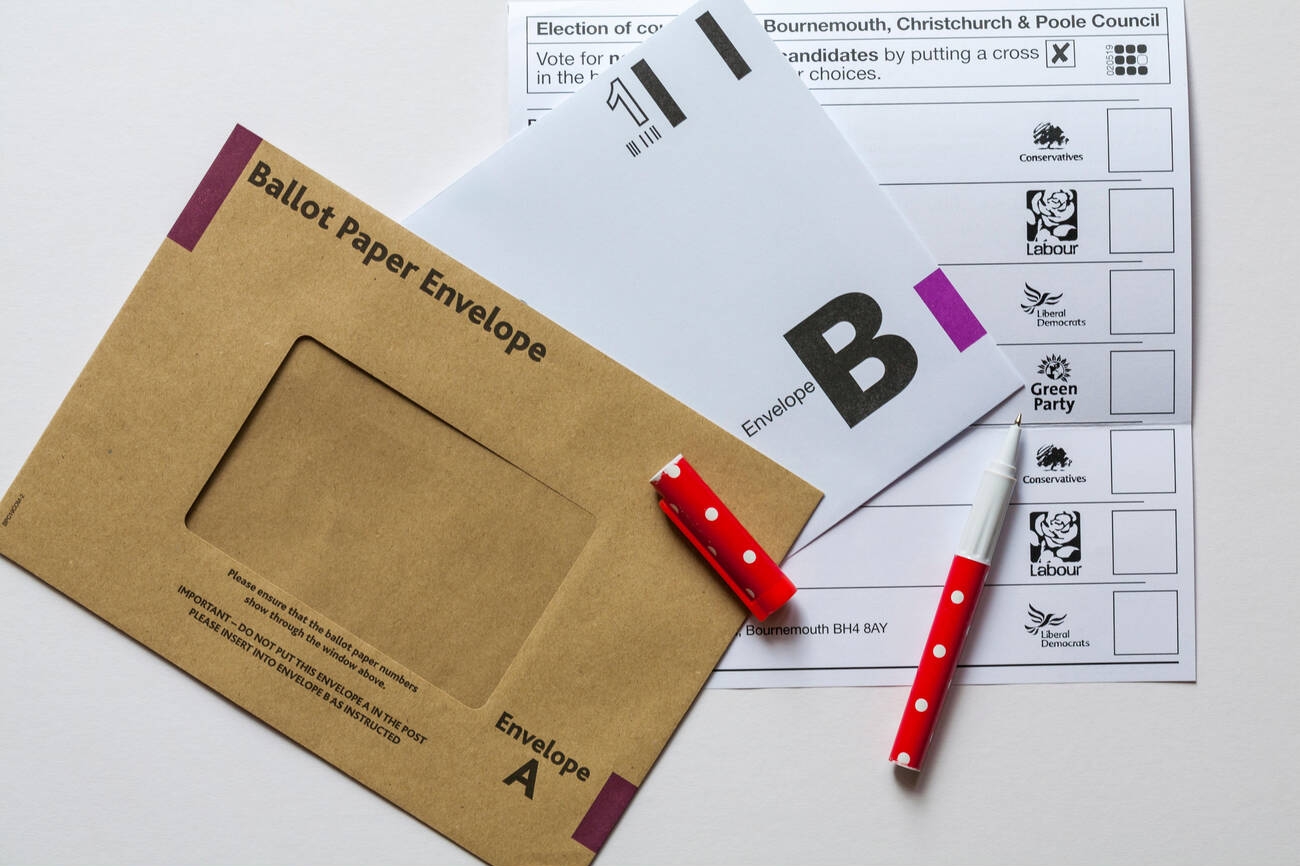
The UK political crisis comes after the labour party electoral defeat. The recent local elections in England and the
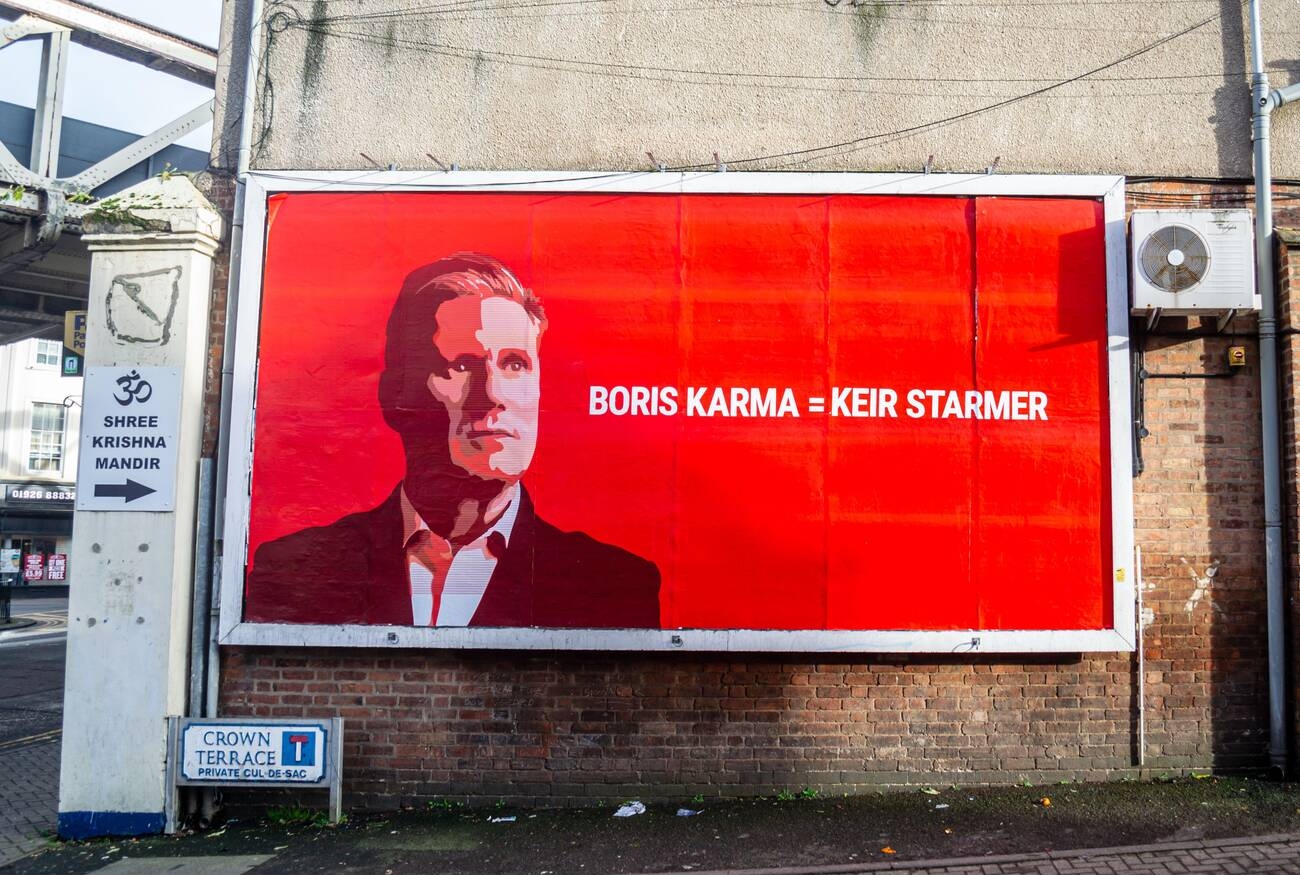
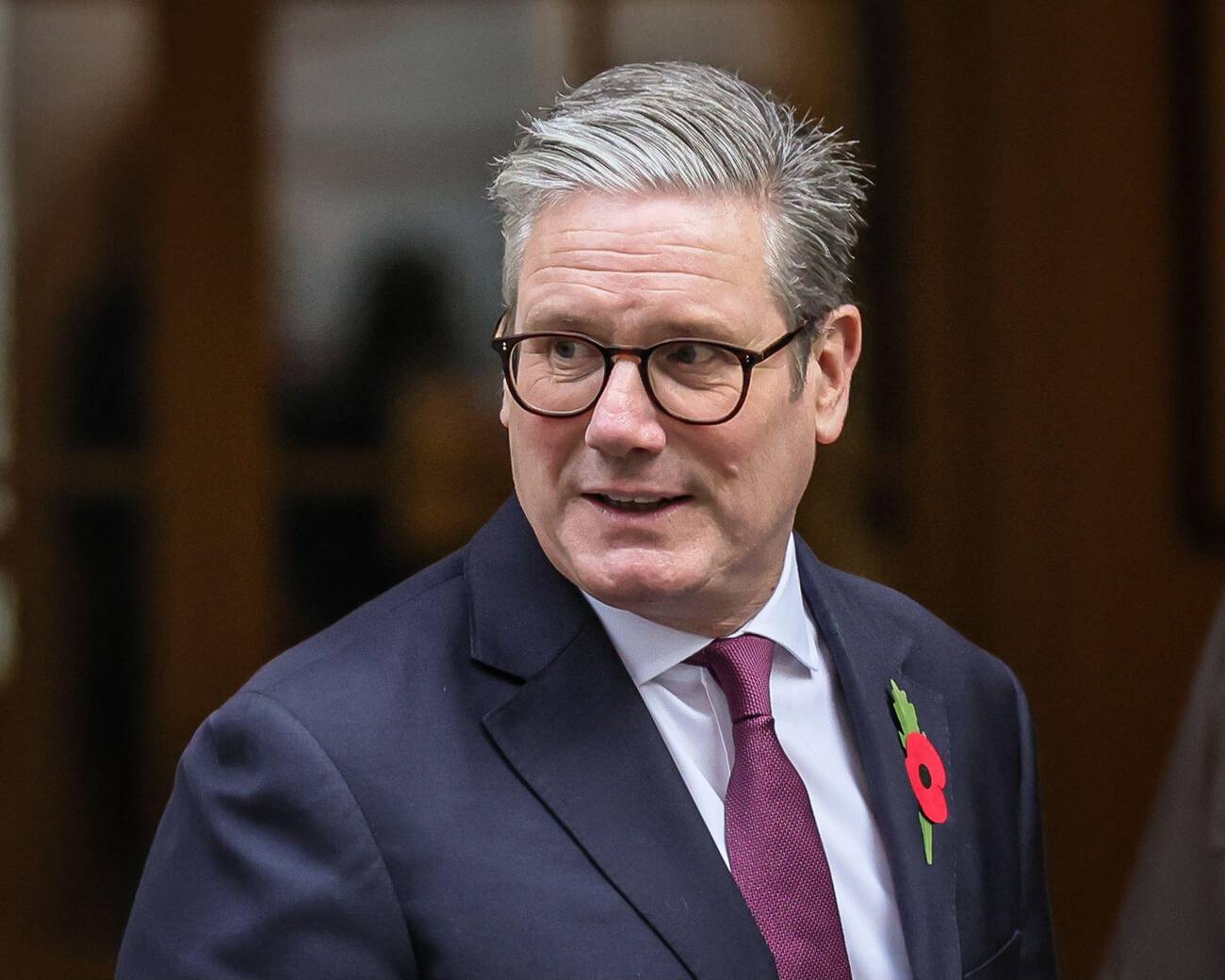
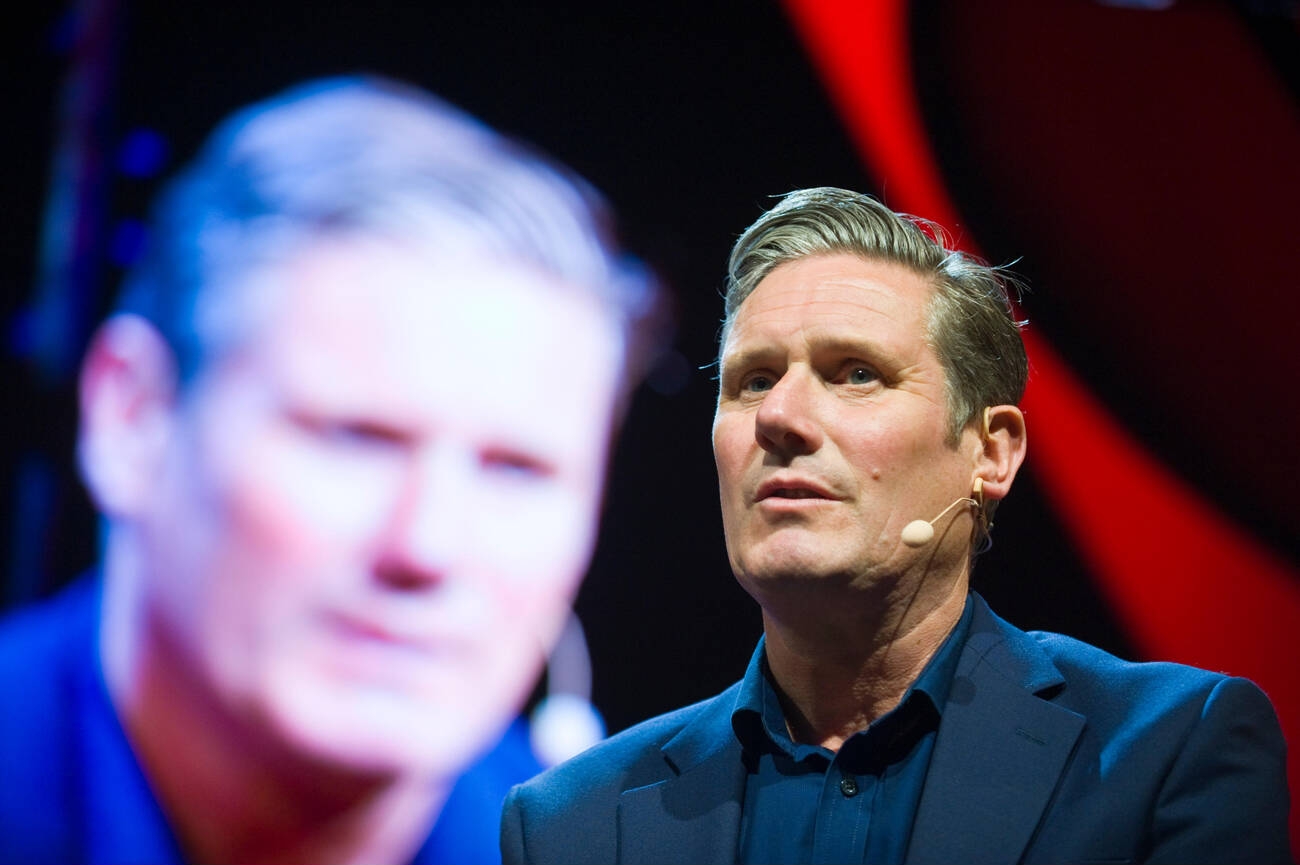
The UK political crisis comes after the labour party electoral defeat. The recent local elections in England and the Scottish and Welsh parliaments saw the Labour Party and the Conservative Party experience their weakest ever results. The internal rebellion has presented British Prime Minister Starmer with a major challenge. Keir Starmer, the British prime minister, is facing increasing pressure to set a date for his departure. However, British Prime Minister Keir Starmer took a defiant stance against growing calls to resign.
Keir Starmer under Pressure: Heavy Election Losses
Keir Starmer, the British prime minister, is facing increasing pressure to set a date for his departure. It is because elections across much of the country resulted in massive losses for his ruling Labour Party. Labour had lost more than 1,400 representatives from English councils, the local government structures that deliver many neighbourhood services.
Starmer’s party also crashed to defeat in the election for the devolved parliament of Wales. However, it had dominated the country’s politics for a century. In addition, it went backwards in representation in the Scottish parliament. Adding to the panic in Labour, the party lost to a series of challengers. It included the right-wing populist Reform UK party, the left-wing Greens, and pro-independence nationalists in Wales and Scotland.
UK Political Crisis: Starmer’s Lack of Legitimacy
The Guardian view on Labour’s rebellion: Starmer faces a crisis of legitimacy. After disastrous elections, Labour MPs voice public doubts over whether the prime minister can politically survive at all. The UK political crisis actually questions Starmer’s Credibility.
The clock is ticking on Sir Keir Starmer’s leadership of the Labour Party. He had begun Monday morning with a speech to save his premiership after it was routed in local and devolved elections last week. In it, he attempted a political synthesis by occupying Reform’s terrain of national pride without xenophobia. He adopted the left’s language of industrial revival without class antagonism.
Moreover, he repositioned Labour as culturally pro-European without reopening the Brexit settlement. It did not succeed. By the afternoon, scores of MPs from across the party had publicly demanded that the prime minister leave office in an “orderly transition”. As the hours passed, the rhetoric crossed an important threshold: from criticism of strategy to questioning Sir Keir’s legitimacy as leader.
Urging Starmer to Quit: Starmer Insisting on Continuing
Sir Keir Starmer is fighting to stay on as prime minister. Meanwhile, he stares down calls from Labour critics for him to leave Downing Street. Four members of his government resigned. It included Home Office minister Jess Phillips. However, scores of Labour MPs are calling for him to quit following a disastrous set of elections for the party last week. Several sources have told the BBC that more resignations are going to come.
Home Secretary Shabana Mahmood is among a number of cabinet ministers urging the prime minister to set out a departure timetable. But at his weekly cabinet meeting on Tuesday, Sir Keir said he did not intend to quit and threw down the gauntlet to potential rivals to challenge him as Labour leader formally.
UK Political Crisis: Starmer’s Failure, No Trust, No Belief
Labour MPs increasingly say that voters do not trust or believe Sir Keir. Nor do they see the change the Labour government promised to deliver. Backbenchers are clearly saying the prime minister’s leadership is the issue. The instinctively loyal MP Catherine McKinnell put it in stark terms. The message from voters, she said, was clear: “The Labour government has to change, or we will change the Labour government.”
But Sir Keir is in no mood to go quietly and has vowed to fight on. His insistence that the 2024 election gave him a mandate to lead Labour into the next election and perhaps govern for a decade reveals a profound misreading of the electorate that brought him to power. Labour indeed won a landslide. But the party inherited a temporary anti-Tory coalition, not a ringing endorsement from voters. Labour’s parliamentary majority created the illusion of dominance. Underneath it lay a shallow and brittle voting bloc – one that plainly feels taken for granted by Sir Keir’s leadership.
UK Political Crisis: Starmer Losing Credibility, Time to Go
In a letter shared with the public, Miatta Fahnbulleh—who served as the Minister for Devolution, Faith, and Communities—urged Starmer to set a timeline to step down. “You, Prime Minister, have lost the trust and confidence of the public,” she said. “Our country faces enormous challenges, and people are crying for the scale of change that this requires. The public does not believe that you can lead this change—and nor do I.”
The UK political crisis goes even wider. More broadly, many in Labour worry that Starmer is unable to challenge either Reform UK, properly led by Nigel Farage, the politician best known for pushing the UK to vote to leave the European Union in 2016, or the Greens, who have surged in the polls under the leadership of the self-styled “eco-populist” Zack Polanski.
Challenging Starmer: Allies Supporting
No MP has yet launched a formal bid to challenge Sir Keir – a move requiring the backing of 81 colleagues, or 20% of Labour MPs, according to party rules. After the meeting, key allies, including Housing Secretary Steve Reed and Work and Pensions Secretary Pat McFadden, told journalists they were continuing to back Sir Keir. But Health Secretary Wes Streeting, seen as a likely leadership rival, did not comment to reporters as he left Downing Street.
He is due to meet the prime minister on Wednesday morning ahead of the King’s Speech. The BBC says the prime minister’s allies believe the health secretary will not be able to produce a list of 81 supporters at their meeting. Foreign Office Minister Jenny Chapman, another Starmer ally, acknowledged a “discussion is taking place” over the PM’s leadership. However, no minister challenged him at the cabinet table.
Defiant Answer of Starmer: No Resigning
British Prime Minister Keir Starmer took a defiant stance against growing calls to resign Tuesday morning, telling his cabinet that he intends to keep on leading. “The country expects us to get on with governing. That is what I am doing and what we must do as a cabinet,” said the Labour leader. It seems that Keir Starmer is proving to be as obstinate and awkward. Actually, he’s sometimes suggested his father, the most famous toolmaker in history, used to be.
Starmer admitted that the past 48 hours were “destabilizing” for the government. Therefore, it has a real economic cost for our country and for families. In what appeared to be fighting words, Starmer pointed out that “the Labour Party has a process for challenging a leader. However, that has not been triggered.