
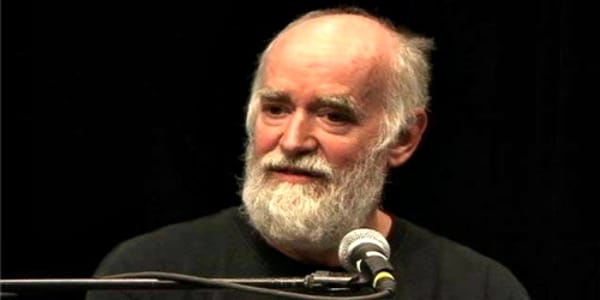

UK Social Divisions Deepen as Trust in Politics and Media Erodes, Warns Human Rights Chief __ An Interview Masoud Shadjareh
Growing political tension, declining trust in institutions, and rising social divisions are reshaping public life in the UK. Masoud
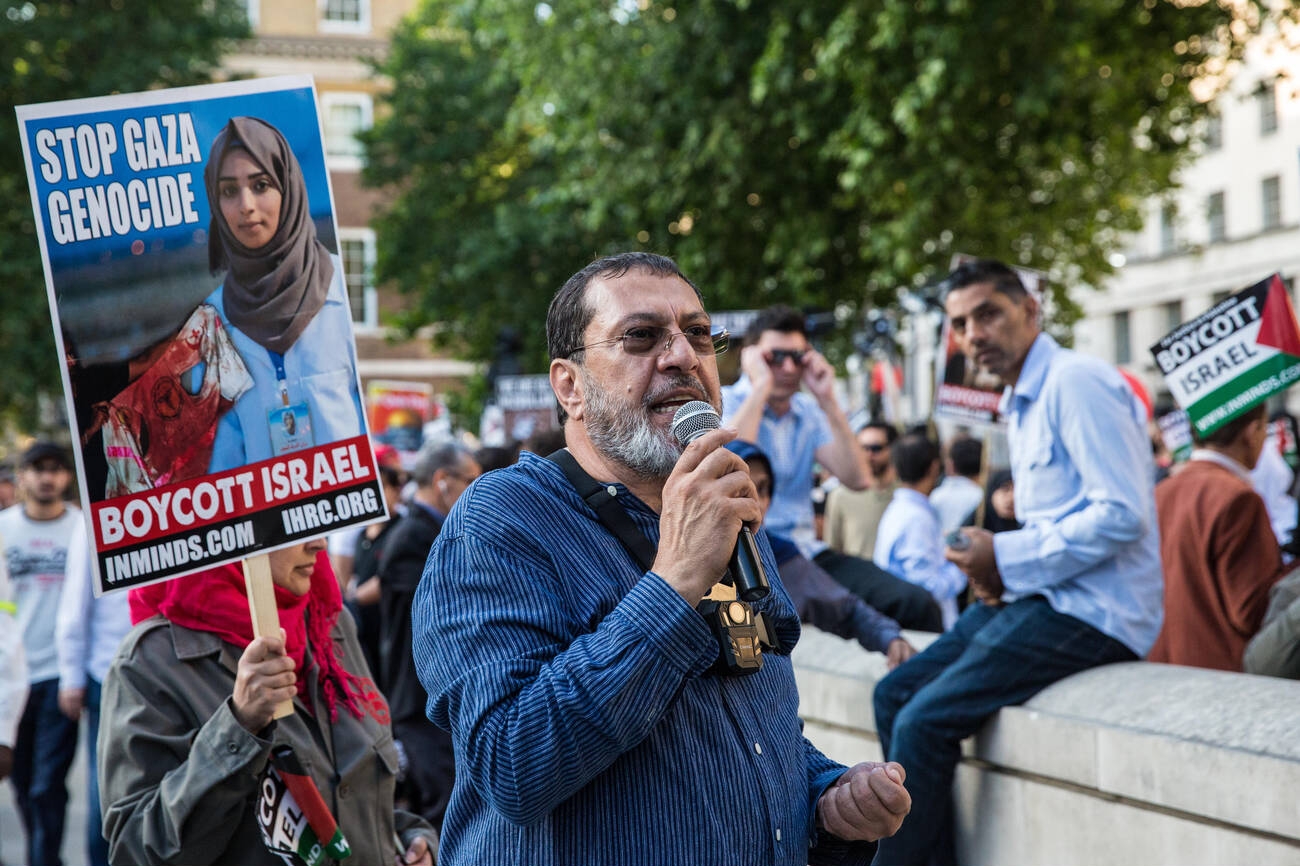
Growing political tension, declining trust in institutions, and rising social divisions are reshaping public life in the UK. Masoud Shadjareh, Head of the Islamic Human Rights Commission, warns that government failure, media-driven polarization, and the politics of “otherisation” are eroding social cohesion and leaving Britain more divided than at any point in recent decades.
1- How would you assess the current level of social cohesion in the UK — are we becoming more divided, or are these tensions simply more visible than before?
Unfortunately, we are witnessing a sort of illusion of multiculturalism and cohesion as a basis of policy for creating a future which people of different backgrounds, different thinking, different colors, different religions, and so forth, could actually bond together and create a society targeting the needs and aspiration of the collective needs and aspiration. This concept has been chucked out of sort of thinking of not just in Britain but right across Europe and Western world.
We are seeing sort of nationalism or super nationalism, racism, otherization replacing that. And this is not because the societies are wishing it and ordinary people are demanding it. This is mostly because governments and leadership is incompetent of addressing a collective needs and aspiration and addressing it. And so therefore, you know, using the old cliche of otherization as a mobilization of masses against a minority. This minority defies in different way.
In Britain, we saw a very clear manifestation of this at the time of Brexit. While all the tell sign, all the experts were identifying that this is going to be a disaster vis-a-vis economy and the future, well-being of Britain. But nevertheless, the idea that if we get rid of these bunch of people who are not us, they’re others, then we will be going back to the good old days. And indeed, we will have this and other. And the whole society was conned on this sort of racism and otherization.
We were dragged into something that has tremendous impact on our sort of economy and the future of our nation to the extent that, you know, there are not enough doctors, enough people to pick up fruits, enough. And, you know, all was done on a basis of this policy otherization, which incidentally is the policy that was adopted effectively used at times of Nazis and other times and mobilizing people, bonding them together and not because of a positive sort of outcome or target but as a thing of we are bonded together because we are all against these others, this bunch of peoples, be it the Jews of 30s or now the Muslims or the foreigners or people coming taking our jobs etc etc it’s a very sort of stupid concept but very effective because you know it sort of feeds into the racism
2- To what extent do political parties and leaders reflect genuine public concerns, and how much are they contributing to polarization for strategic gain?
Well, the political parties and the media are the ones who are driving this whole concept. And again, it goes back to the fact that because they’re incompetent, because they don’t have real solution for the society, because they are not able to sort of drive the society towards a collective needs and aspiration, then they have to create this policy of otherization, this policy of racism, this policy of divide and rule, this policy of getting people on each other’s neck and conflict, so they become sort of popular, it’s sort of a populism on a both type of sort of basis, which is negative, racism, otherization and so forth.
And it’s been very effective. I mean, look around Europe, look around within Britain, look at this sort of new political parties and the drive towards extreme right and towards racism and fascism. And, you know, this is because genuinely politics is bankrupt. Democracy is even bankrupt when we have a situation and this has been highlighted very clearly and exposed by two years of genocide in Gaza, you know, and all those who claim to be sort of democratically representing the people, when between 75 to 85, a much higher proportion of the people are actually saying enough is enough.
You should not support this genocide. They continue to do so. And not only they are silent, or they are sort of not becoming active in stopping genocide, they’re actually active in committing genocide. Without them, without British government, without American government, without Western government support politically, economically and militarily, this genocide would not have been taking place. So when they’re exposed this way, and they are not able to address the future well-being of their own citizens, then they drag us into these sort of divide and rule policies, otherization, and fascism, and dictatorship.
3- How have social media, 24-hour news, and algorithm-driven content amplified cultural and political divisions within British society?
Social media has been sort of able to expose the lies and to give the sort of essence of reality. You know, this genocide is famously not only is a genocide of our time, but it’s been streamed into our lives day in, day out. And this is why we have been awakened. But I think, you know, there is a limitation on social media. Social media could in some way be sort of over-informing us.
You know, we have sometimes too much information, or information which social media does, you know, snaps of information, not depth information. And we have become, in some ways, not just overexposed to information without any direction. And that is a danger. I mean, I think where we are right now, we have already learned that our political system, our economical system, our moral system is not fit for purpose.
There is even democracy, as it’s been practiced, is not fit for purpose. But we are a long, long, long way to finding solution if our if these sort of policies, this concept, are not fit for purpose, and indeed if the international law and international institutions like international courts and the UN and so forth are not fit for purpose as they haven’t been able to preserve even life of one child in Gaza, then what is the solution? Is it just the same of what we have already? Do we just change the figures and keep the system and the system is not fit for purpose?
These are all sort of things that I think unfortunately social media the way it is does not give us the opportunity to address. We already know what the fault is because of social media, because of the information coming, being streamed from Gaza and everywhere else. But I think what is lacking is, well, now that we know these are not fit for purpose, then where should we go? And unfortunately, you know, we haven’t got there. You know, what we are getting is, let’s have another political party. Well, if you have another political party in the same structure, in the same way, you know, if you repeat doing the same things, you’re going to get the same result. So what is the real answer to our aspiration?
4- Are today’s societal tensions primarily driven by political ideology, or by deeper issues such as identity, values, class, and generational change?
It’s not just today that politicians are driving the division in the society. It’s been going on for quite some time and I think it goes back to what I was saying earlier on, that the fact that you’re seeing politicians who are not able or capable of addressing the real issues of creating a better society, a more cohesive society, a society that addressed the needs and aspiration of all of us, then they need to create these divisions, they need to drag us into these conflicts, because there is nothing else for them to do, to be re-elected or stay in power.
Unfortunately politics is working towards that direction and has been going on for quite some time. Our report from Islamic Human Rights Commission on the environment of hate highlighted this, that the politicians, the media, and establishment is creating an environment of hate, which in that environment once is created, people behave in a way that they would not do otherwise. And many of the cases of Islamophobia that have been taken to courts, sometimes the individuals themselves are shocked that they have behaved so badly. And I think human beings are not inherently there to create and commit these sort of atrocities.
But the environment by creating this hate, demonizing a group of people to the extent they become non-human and they become demons, then it becomes easier to commit genocide, it will be easier to commit ethnic cleansing. And this we saw happen in Nazi Germany, we saw it took place in Bosnia Herzegovina. And every time before genocide, this demonization, this process needs to be established and politicians and media are indeed the main corporate of this.
This is how we get dragged into a sort of ethnic cleansing and genocide, which affects not just those immediate victims, but the whole society becomes the victim of it. And indeed, politicians are the main instigators. And this is what is important that we need to hold them accountable and not allow them to use this policy and the politics of authorization.
5- Public trust in institutions — government, media, police — appears fragile. How critical is this trust deficit to the wider sense of division across society?
Well, unfortunately, the trust is mainly affected in politicians. Politicians are becoming sort of people that, you know, in polls, people say that they’re actually less trustworthy than anything. It used to be the state agents, and now politicians are, you know, neck by neck, head by head, in sort of comparison to the estate agents of people that you can’t trust. And they manipulate and media indeed also has been something that represents the interest of, it doesn’t represent the interest of the masses. And this is the point, the political systems, the media and establishment, even the legal system, it seems to be there to support and protect the 1% of the society, those who are powerful, those who have got 85% of the financial resources, power and influence, and it’s not there for the masses.
This is becoming even more and more apparent as we go on. But how do we change this? And I don’t think you would change this by changing the individual politician on top. We’ve seen both in Britain and the West as a whole that it doesn’t matter which political party it is or indeed which politician comes in. They do not represent the interests of the masses. They represent the interests of those elite. And again, Gaza actually showed very clearly that democracy as we know it is dead, is those who are influential, those who actually ensure these politicians become electable. Those are the ones that politicians fear and politicians want to address their interests.
6- What practical steps — policy-driven or cultural — could help bridge divides and rebuild a sense of shared national purpose in the UK?
What can we do as a sort of solution to this is a million dollar question. The reality is that we are at the stage that we know what’s wrong, what is not working. And it is very important that we recognize this and we recognize it in totality that is not massaging or whitewashing or changing the head in the political parties or indeed political parties is going to be the solution. We need to have a more sort of in depth solution. And part of that is that we, one thing that has contributed to this is that the democracy based on every four years making the election and voting and then leaving it to them and to those elite who are influencing 24 hours, those military groups who are there and sort of working day out to shape the future of us to do it.
This is the result of it. We need to be one, involved actively all the time. And also we should not allow ourselves to be conned by these divisive and divisions that they’re creating, racism that they promote. And indeed, we need to go back to some basic principles to save the humanity. Because, you know, this goes as much as economically, socially, and sort of even for environment, we need to recognize that there are steps we need to take to preserve basis and the principle.
Only then we will create a better society for all of us. And it needs to be a society, a creation of society that everyone is a winner. And I think we need to come together as communities and stand against these sort of professional politicians and lobbyists, etc., who have got their own twisted interest. It’s a tall order, it’s difficult, but I think it’s only possible once we actually recognize that what we’ve got is not fit for purpose.