



The UK politics in 2025: A Year of Upheaval and Shifts
The year 2025 was a pivotal moment in British politics. After several years of relative predictability, some of the
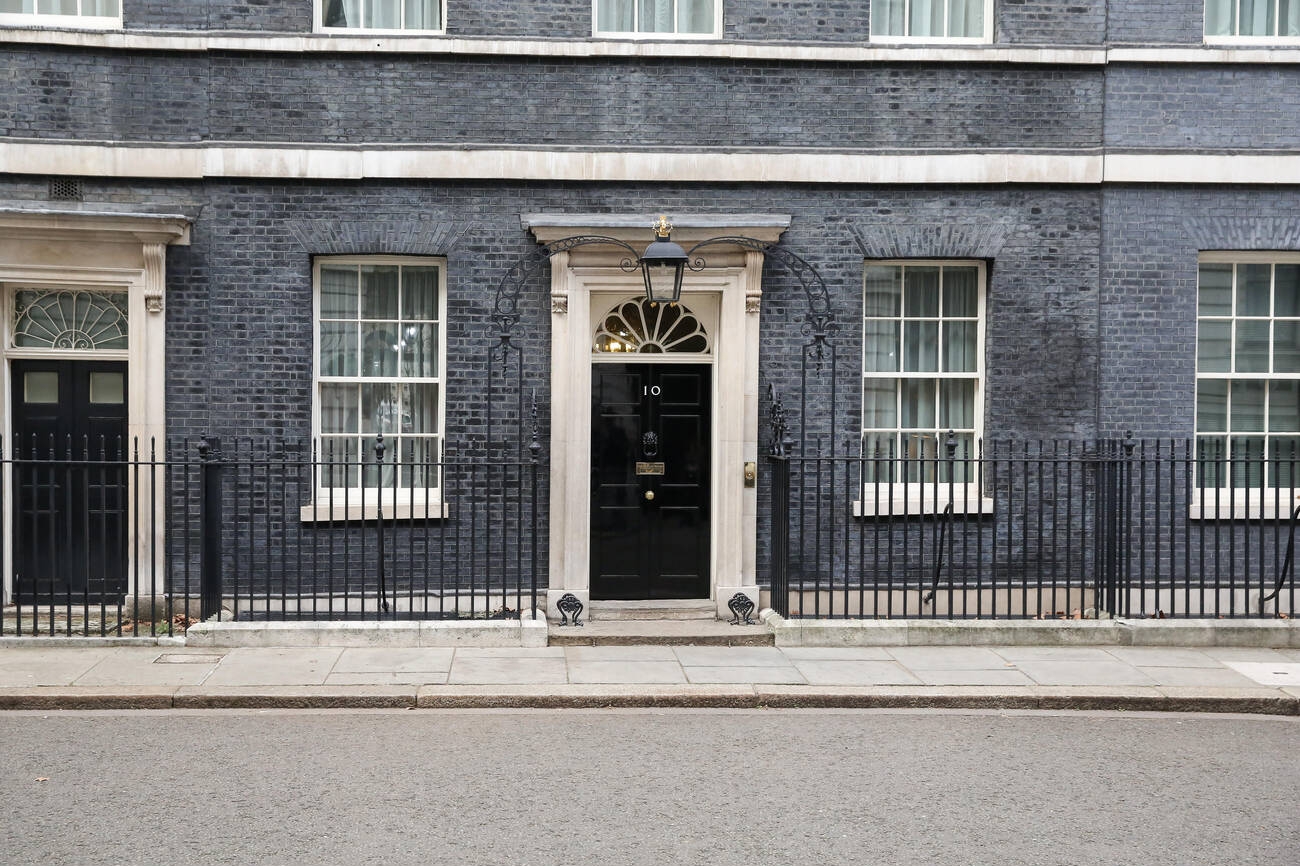
The year 2025 was a pivotal moment in British politics. After several years of relative predictability, some of the old certainties regarding party and voter allegiance had started to break down. New political movements started to get underway, and the old parties found it increasingly difficult to hold things together and speak with authority. Public confidence receded and flowed, based upon the challenges of the economy, leadership struggles, and party disunity, to name but a few factors that changed the British political situation. UK politics in 2025 was to become more characterized by competition, fragmentation, and uncertainty, rather than the certainties of the past.
The Rise of Reform and the Two-Party System Challenge
The year 2025 has witnessed some of the most dramatic developments in UK politics through the rise of the Reform Party and its leader, Nigel Farage, within UK politics in 2025. The Reform Party managed to draw some level of popularity from citizens who felt that both the Conservatives and the Labour Party took them for granted. Its rhetoric included both a rant against politicians and a tough stance on immigration, sovereignty of national identity, and control of economy.
Throughout 2025, Reform UK consistently showed up well in various opinion polls and council elections. Indeed, in some council elections, it outdid one of the two major parties. Mid-year polls showed that the Reform Party in the UK approached 33 percent in terms of voting intentions. Its emergence has changed the pace of debates in UK politics, particularly because of reactions from major parties in UK politics in 2025.
Electoral Pressures and Shifting Voting Behavior in UK politics in 2025
The rise of Reform was not an isolated incident. There were underlying trends in voter patterns throughout Britain as a whole. A great number of voters were unhappy with economic stagnation, the cost of living, and what they perceived as a lack of resolve in UK politics in 2025. Many voters showed weaker loyalty to the two-party system.
This trend appeared most clearly among the working class and grassroots communities outside major urban centers. In some parts of the country, voters changed party allegiances for the first time in decades. In several cases, reports showed rising support for smaller parties among voters. These parties still failed to win their contests for seats in Parliament.
New Left-Wing Currents Within and around the Labour Party
Although the Reform UK disturbed the political spectrum on the right side, tension also escalated on the left side in the context of UK politics in 2025. During 2025, a new leftist trend emerged among certain parts of the Labour Party as well as fans of the former party leader Jeremy Corbyn. The leftist movement opposed the Labour Party’s centrist approach. It also criticized the government for abandoning its transformative agenda.
Although this faction did not have a structured organization, it started to display increasing confidence. The meetings held in the public domain, the use of social media platforms, as well as independent candidates, indicated the discontent with the governing of the party. The rising leftist faction indicated that the party was facing the problem of divisions in ideologies. The party did not resolve the different ideologies after winning the election.
One year in power: Labour confronts the reality of governance
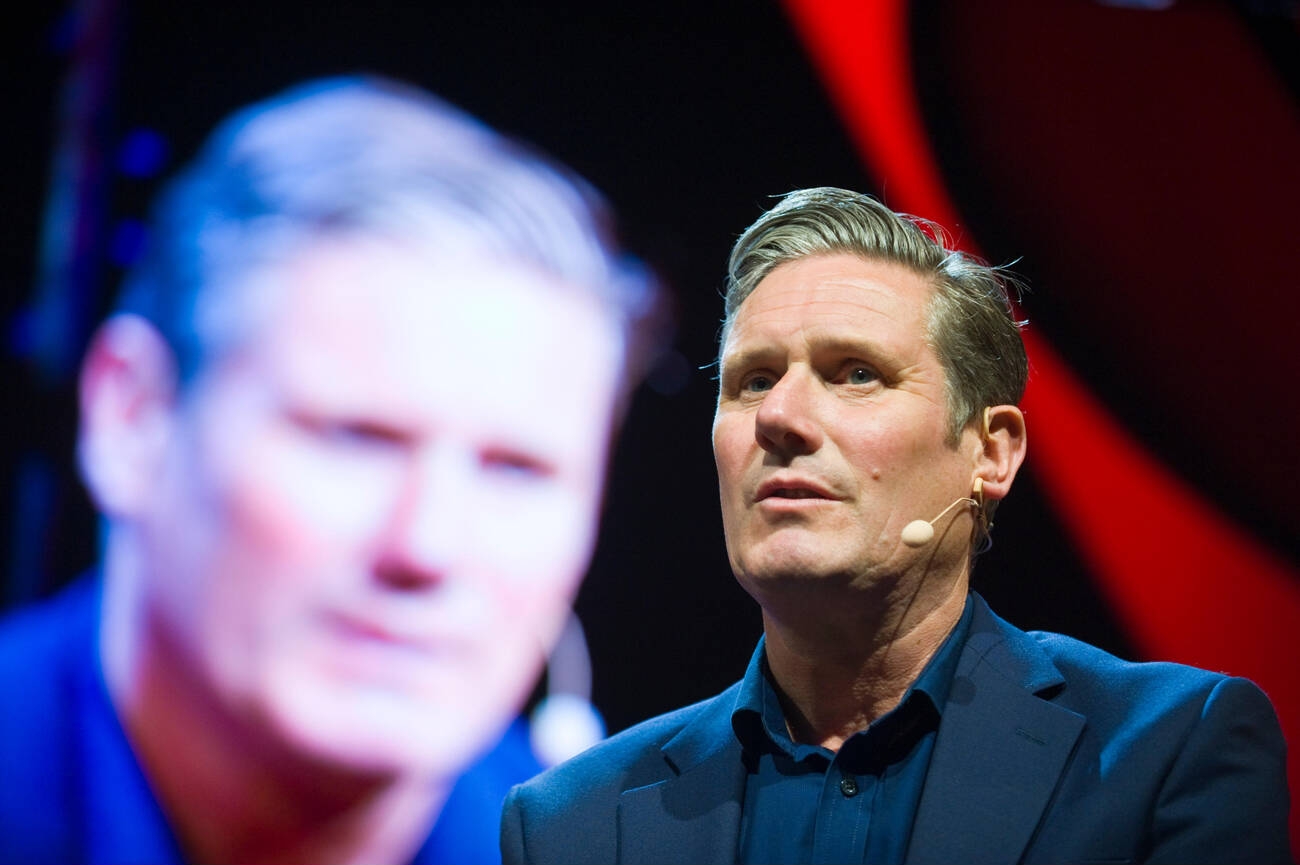
The Labour Party has, for the first time in more than a decade, completed an entire year in governance in UK politics in 2025. The Reform Party gained support from voters who felt ignored by both the Conservative and Labour parties. Many of these citizens believed their concerns had not been taken seriously for a long time. Prime Minister Keir Starmer has had struggles on different fronts, not only from opposition parties but also in Parliament.
The task of balancing financial discipline and meeting the required social obligations has also proved an endless challenge for the prime minister. Various planned changes in the country either slowed or stalled throughout the year. The specific effects are evident in the initial plans regarding welfare benefits, which had opposition in Parliament.
Conspiracy Theories Surrounding the German Military Order
Keir Starmer began the year 2025 with very good approval ratings; however, these slowly decreased over the year. The media attention moved from action to doubt and compromise. His detractors in politics portrayed these qualities as weaknesses, as opposed to being pragmatic. By late 2025, party polls showed Keir Starmer’s net approval rating had fallen to 19%.
Though he was more popular than the opposing party leaders, his slow progress was quite worrying to his party strategists. However, challenges to his leadership had not yet appeared in the open, although the mood was one of tacit resentment, leaving little leeway to the government.
The Budget Leak and Its Political Outcomes
Perhaps the biggest scandal that occurred during that year was the leaking of the budget. Before the budget could be presented by the government, its main features emerged in the press. This left the whole of Westminster astonished and raised worries over the level of discipline within the various departments. The markets reacted badly to the budget leak.
This led to currency fluctuations and a temporary decrease of investor confidence. The opposition parties condemned the government for its lack of competence and internal unity. This was the biggest story to emerge for several weeks, and it was not the only thing that dominated the budget. There was also the effect that the leak had on the credibility of the government.
A Defining Moment in Britain’s Political Future
The year 2025 has been an unmistakable phase in the history of modern British politics. The emergence of Reform has upset conventional party politics, and internal conflict among the opposition has highlighted fundamental ideological contradictions. The strains of leadership, policy reversals, and the unprecedented budget fiasco have all contributed to an environment of instability and expectations.
As the UK approached the year 2026, unpredictability has become the governing factor in British politics and the period of 2025 in British politics shall always be remembered as a defining phase of UK politics in 2025.