



• Home
  • UK
  • Politics
  • Business
  • British Isles
  • Entertainment
  • Interviews
The Debate Desk

Recent Posts

The debate about whether Trump supports united Ireland may influence public discussion, but it cannot determine how people will vote.

Trump supports united Ireland: Statement that Puts Britain on Spot

Patricia Bennett
September 24, 2026
The current statistics confirm that UK inflation rises above 3% at a time when people are struggling to afford their life expenses.

UK Inflation Rises above 3%: The Force Putting Pressure on UK Challenging Budget

Patricia Bennett
September 24, 2026
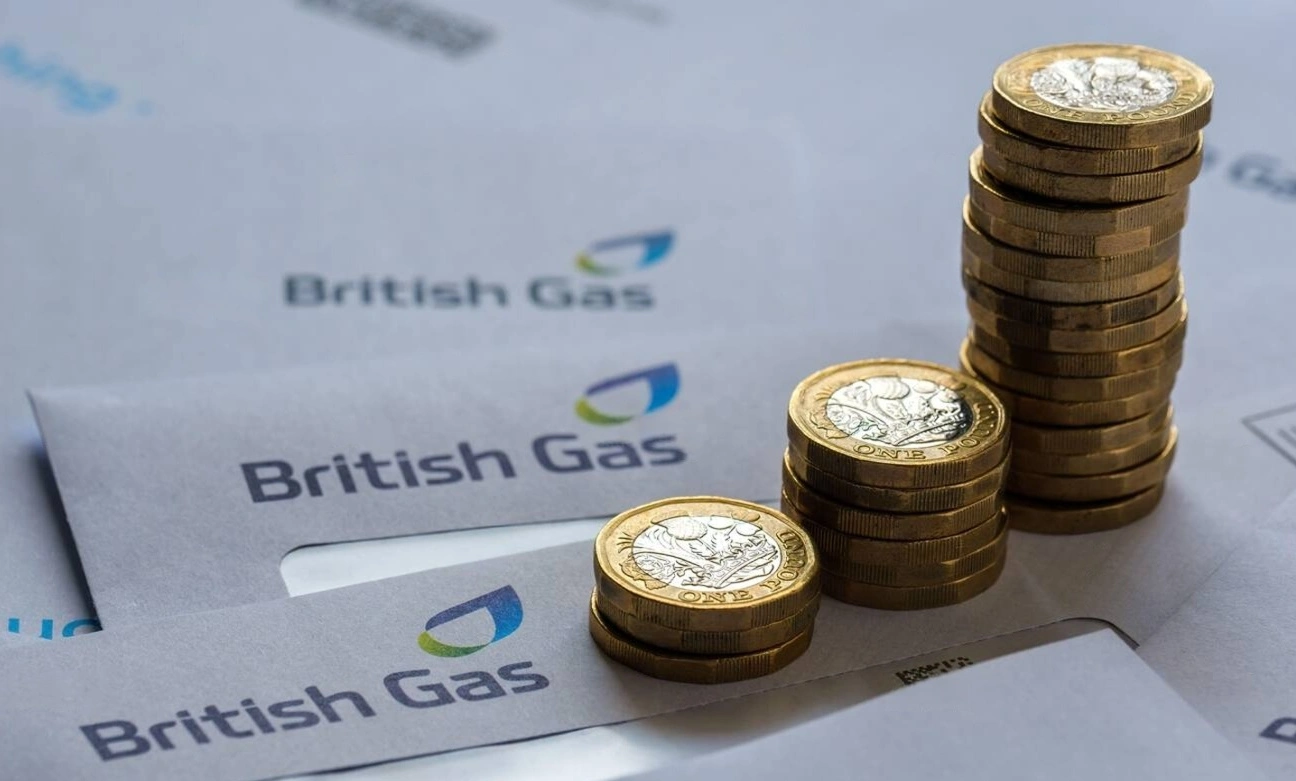
Energy costs remain one of the biggest pressures on British households. Although UK energy prices have fallen from the extreme levels seen during the 2022 energy crisis, they have not returned to their pre-crisis position. The latest figures show that the typical household energy bill will reach £1,723 a year from October 2026, following a 4% increase in the energy price cap. Bills at this level will still be 58% higher than in winter 2021/22. The situation has become more worrying because global events can quickly affect UK energy bills. Bank of England Governor Andrew Bailey has warned that energy prices could rise further if disruption around the Strait of Hormuz continues. This article examines why UK energy prices remain high and why government policy has not yet provided a lasting solution. UK Energy Prices Remain Above Pre-Crisis Levels The latest increase is not comparable with the dramatic rises of 2022, but it still matters to households that have faced years of higher living costs. The House of Commons Library reports that the October 2026 price cap will leave typical household bills 58% above their winter 2021/22 level. This comparison is important because the energy crisis did not simply disappear when wholesale prices fell. Household bills also reflect network costs, supplier costs, policy costs and other charges. Therefore, lower wholesale prices do not automatically return bills to their previous levels. The October increase also shows how international developments can reach British consumers. Ofgem has linked the latest rise to higher wholesale gas prices caused by the continuing conflict in the Middle East. The regulator will set the cap again for the first quarter of 2027, creating further uncertainty for households. UK Energy Bills and the Limits of Short-Term Support The British government did intervene during the energy crisis. The Energy Price Guarantee prevented households from facing even higher prices in 2022 and 2023. The intervention limited the immediate impact of the huge increase in wholesale energy costs. However, this was mainly emergency protection. It reduced the immediate shock without solving the structural reasons behind high energy costs. The government has introduced more recent support as well. From April 2026, an average of £150 was removed from household energy costs, while the Warm Home Discount provides eligible households with another £150 reduction. These measures can help families under pressure. Yet they do not remove the underlying problem. A discount can reduce a bill for a limited period, but it does not make the energy system cheaper. The distinction between short-term relief and long-term reform is important. Energy Efficiency Can Reduce Household Costs One of the clearest ways to reduce household energy costs in the long term is to reduce the amount of energy that homes need. Poor insulation, inefficient heating systems and older buildings can force households to consume more energy simply to maintain a reasonable temperature. The House of Commons Library has highlighted energy efficiency as an important part of the solution. With limited prospects for large and permanent reductions in energy prices, improving the efficiency of homes can provide more lasting savings on UK energy bills. The government has recognised this through its Warm Homes Plan, which aims to improve energy efficiency and reduce household costs. The main challenge is implementation. A long-term programme needs to reach households that cannot afford insulation or heating improvements themselves. This approach could also strengthen energy security. Britain Remains Exposed to Global Energy Shocks Britain has a diverse energy supply system. This means the UK does not depend on a single foreign supplier. However, diversity of supply does not mean immunity from global price shocks. Britain remains connected to international energy markets. As a result, movements in global oil and gas prices can quickly affect UK energy prices and domestic consumers. The current situation in the Middle East demonstrates this vulnerability. Andrew Bailey has warned that disruption around the Strait of Hormuz could create further pressure on energy prices. Such risks make energy security an economic issue as well as a foreign policy concern. The UK's continued reliance on natural gas also matters because gas prices influence electricity costs. Gas-fired power stations often play an important role in meeting demand, particularly when renewable generation is lower. Britain Has a High Electricity Price Problem The UK's energy problem becomes clearer when UK energy prices are compared with those in Europe. British household gas prices were below the EU average in the second half of 2025. Electricity prices, however, remained considerably higher. The House of Commons Library reported that UK household electricity prices were 18% above the EU average and the fourth highest among the EU27 and UK. This difference creates a serious policy challenge. Britain wants households to use more electricity for heating, transport and other activities as the country moves towards a low-carbon economy. However, this transition becomes harder if electricity remains expensive. The government therefore needs to consider not only how much renewable electricity Britain produces, but also how the market passes costs to consumers. More clean generation should eventually help reduce exposure to unstable fossil-fuel prices, but investment in grids, storage and infrastructure is also necessary. The Need for Structural Reform The central weakness of Britain's energy policy is not the complete absence of government action. Several measures have been introduced to protect households and improve energy efficiency. The problem is that these policies need to form part of a coherent long-term strategy for managing UK energy prices. Britain needs to reduce the amount of energy households require, increase domestic low-carbon generation and make the electricity system less vulnerable to gas prices. It also needs targeted support for households that cannot cope with high costs. Energy security should be treated as part of economic security. The government's own security-of-supply assessment recognises the continuing importance of gas for heating, industry and electricity generation, while North Sea production is declining. This makes the transition towards a more diverse and low-carbon energy system increasingly important. A successful strategy should also consider the relationship between electricity generation and household consumption. What Comes Next for British Households? The immediate outlook remains difficult. Ofgem's October price cap will raise the typical annual bill to £1,723. At the same time, the international environment remains uncertain. Further disruption in the Middle East could put additional pressure on wholesale energy markets. This uncertainty shows why Britain cannot base its energy policy only on temporary falls in wholesale prices. The country needs to prepare for future shocks before they reach household budgets. The government should therefore look beyond the next price-cap announcement. Support for vulnerable households remains necessary, but it should operate alongside a serious programme of insulation, efficient heating, renewable generation and grid investment. These measures could reduce household exposure to future shocks instead of simply helping people pay higher bills after prices rise. There is also a wider economic reason for taking this approach. High energy costs affect UK energy bills, household spending, business costs and inflation. Britain Needs a Long-Term Energy Strategy Britain's energy crisis has changed, but it has not disappeared. UK energy prices are below their 2022 peaks, yet typical household bills will still be 58% above their winter 2021/22 level when the October 2026 price cap takes effect. The government has taken steps to support households, including direct discounts and investment in home improvements. However, short-term support cannot replace structural reform. Britain needs a more resilient energy system that reduces dependence on unstable fossil-fuel markets and lowers the amount of energy homes require. Without stronger investment in energy efficiency, domestic generation and infrastructure, UK energy bills will remain vulnerable to events beyond Britain's borders. The cost-of-living crisis will therefore continue to be an energy policy problem as much as an economic one.

UK Energy Prices: Why British Households Are Still Paying the Price

Patricia Bennett
September 23, 2026
The UK and Canada’s defence cooperation is evolving as Canada seeks closer security ties with Europe through its application to join the JEF.

UK and Canada’s Defence Cooperation: Canada Wants to Play Part in JEF

Patricia Bennett
September 23, 2026
  • Home
  • Archives
  • Tag: UK Inflation Rises Above 3%

Tag: UK Inflation Rises Above 3%

UK Inflation Rises above 3%: The Force Putting Pressure on UK Challenging Budget

UK Inflation Rises above 3%: The Force Putting Pressure on UK Challenging Budget

The UK is under pressure again due to rising inflation above 3%. In August 2026, the year-on-year inflation rate stood

By Patricia Bennett
September 24, 2026

We are an independent student group, interested in investigating the internal affairs of the UK, we do research teamwork, our team is not affiliated with any body or institution.

Useful Links

  • About
  • Contact
  • Feedbacks
  • Podcasts
  • Advertise

Subscribe Now

    UK OBSERVE TEAM