



Starmer’s China Visit: Britain’s Realistic Reassessment of Global Power
The prime minister of Britain has decided to go to Beijing at a delicate time in world politics. There
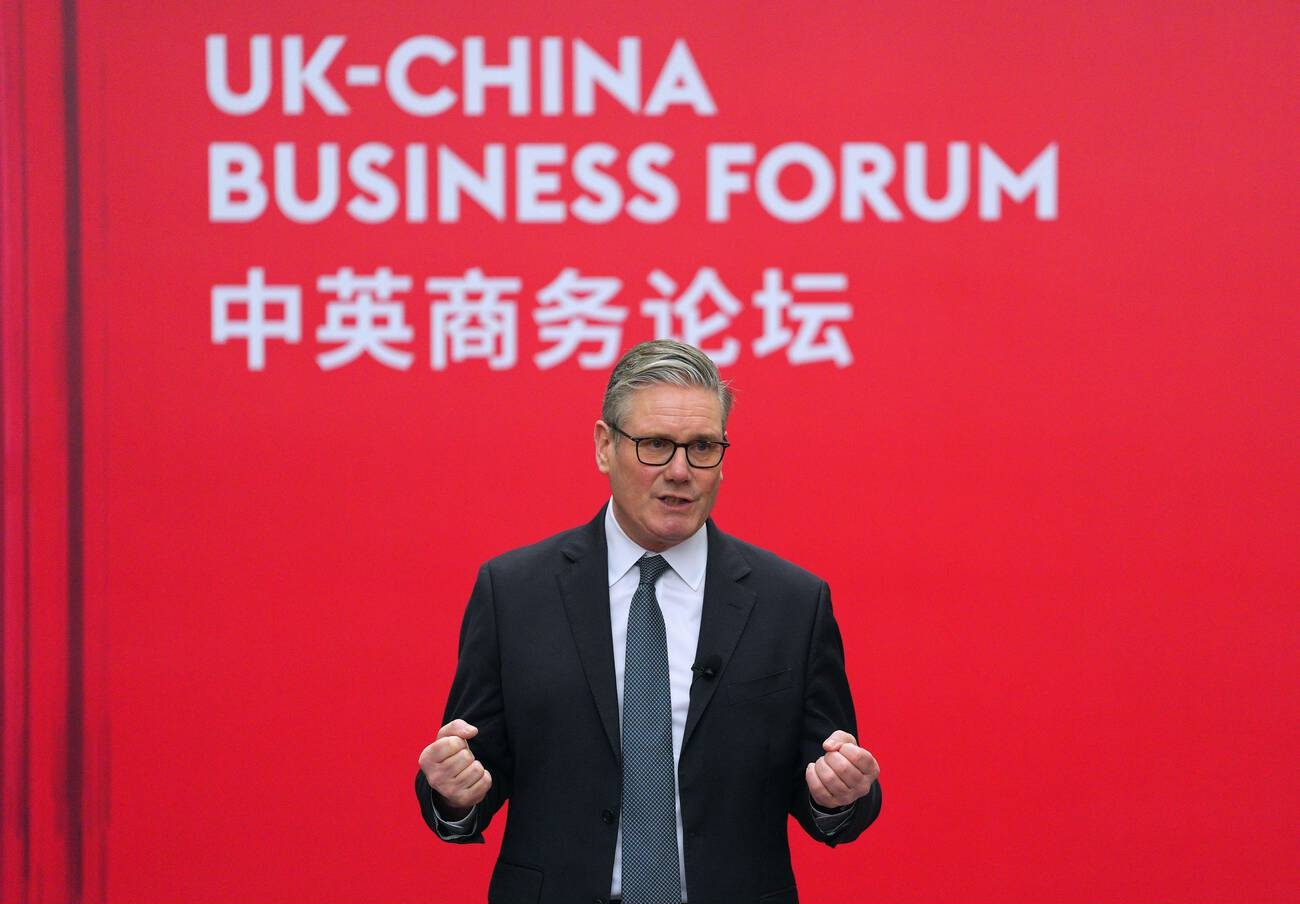
The prime minister of Britain has decided to go to Beijing at a delicate time in world politics. There are problems with the economy in Britain, and other countries are also competing with it. This is why the prime minister has made this decision. London used to think that being away from big economies would keep them safe, but they do not think that anymore.
The economy of Britain only grew by 0.6 percent last year, which made a lot of people in the government worried about the future of Britain’s economy and the UK-China relations. Starmer’s China visit shows that he wants to deal with China in a way. This article discusses why Starmer is doing this, what the dangers are, and what he hopes to achieve with China.
Economic urgency and growth constraints
Britain’s economy is not doing well, and that is why they want to work with Beijing again. The country has not been growing much since the pandemic happened. The government is also not spending much money on important things, as other countries are. This means they do not have many options when it comes to making decisions.
Now, the people in charge think that working with countries can help make things better at home. China is one of the countries which Britain trades with the most. Britain and China do a lot of business together, 100 billion pounds every year. China is very important to Britain’s economy. Britain and China trade a lot of things with each other.
Starmer’s China visit and economic signaling
The main thing that people talked about when Starmer went to China was getting the economy back on track. The people from Britain who were with him wanted to talk about money, clean energy, schools and services. China has a big economy that is worth more than 18 trillion dollars, so what they do matters to the whole world. Companies from the UK want to make sure they have rules that make sense and can get to the market easily.
The ministers think that if they keep talking to China, it will be less scary for people who want to invest. Since 2020, it has been hard to sell things to countries, and it has not been going well. So finding people who want to buy things is really important.
UK-China relations and trade interdependence
The way things are made and shipped around the world limits how much countries can fight with each other. China makes around 30 percent of all the things that are made in the world. They also do than 60 percent of the work to process rare earth materials. Britain cannot easily or quickly find ways to get these things. The people who make decisions are worried about what would happen if something suddenly changed.
They think that talking to each other can help reduce the chance of something happening. If countries talk, they can work out their problems before things get out of hand. The UK considers its relationship with China necessary, not optional. UK-China relations are a key part of this approach.
Security concerns and defined red lines
Security issues are a deal for the British government. They are very concerned that cyber threats and unauthorized access to technology could happen. This is why they have rules in place to regulate and screen things. The government is still very careful about who they let into important areas. They have not changed the rules for exporting technology.
Some people in the government think that if they cut off ties with countries, it could actually make things more dangerous. They believe that talking to each other and keeping an eye on things is a way to go. If they suddenly stop working with countries, it could give those countries power over them. London would rather work with countries in a controlled way than just cut them off. They are willing to cooperate only if they feel safe doing so.
Managing pressure from the United States
The world of politics is really complicated. The United States thinks of China as its rival. Britain is still a good friend of the United States because of NATO, and they work together on intelligence. During Starmer’s China visit, he chose his words carefully so people would not get the wrong idea. The people in charge in Britain said they are loyal to their friends. They also want to make their own decisions. They do not want to pick sides. If you rely too much on one country, you can get hurt. So it is an idea to have many friends. This way, you are safer. London thinks it is okay to talk to Beijing and still be friends with countries like the United States.
Strategic flexibility and middle-power logic
Britain wants to have freedom in the way it deals with other countries. If Britain relies much on one country, it will not have many choices. Now, people in the government talk about having options when it comes to working with other countries. Britain working with China is part of this plan. The plan also involves paying attention to Europe, India and the Gulf states. In this plan, the relationship between the UK and China has a purpose.
The UK-China relations help keep trade stable and make sure Britain has the supplies it needs. The UK-China relations do not change who Britain’s friends are or what Britain believes in. This way of doing things makes sense for a country like Britain that is not the most powerful. UK-China relations are one part of this balance.
Domestic politics and public framing
People in the country have a say in what the government does. For example, people who vote in Britain are really worried about how much things cost, how money they make and if they can get good services. The government links its actions with other countries to the health of the economy. When Starmer went to China, he aimed to help the country grow. The ministers talked about selling things to countries, creating jobs and being strong. They did not use words that mean a lot to certain groups. They did this so that people would not get too upset. It also tells Beijing that they need to be careful. The government will only work with China if they get what they want.
Risks of disengagement versus engagement
Policymakers usually think about the risks of working with China and the costs of not working with it. If Britain cuts ties with China, it could lose its ability to see what is going on and have influence. This could also increase the costs for Britain quickly. Britain gets some important things from China that are part of Chinese supply chains.
If China suddenly stopped these supplies, it would affect British manufacturers and energy providers. The people in charge think that working with China gives them ways to deal with problems that come up. They think that having a relationship with China is like having a way to talk to them. It does not mean everything will be okay. It just means they can still talk to each other even when they are not getting along.
Pragmatism under pressure
Britain’s approach reflects limitation as much as ambition. Economic weakness, alliance politics, and global rivalry shape every move. The government prefers dialogue to isolation because the costs appear lower. Starmer’s China visit shows a belief in managed engagement rather than confrontation. In a divided world, UK-China relations are handled as necessary, limited, and realistic. London seeks growth while guarding security. This balance remains fragile, but it defines Britain’s strategy in an increasingly complex global order.