




How British Generation Z’s Eating Habits
In Britain, the dinner table has traditionally been the setting where the day concludes—a familiar place, a hot beverage,
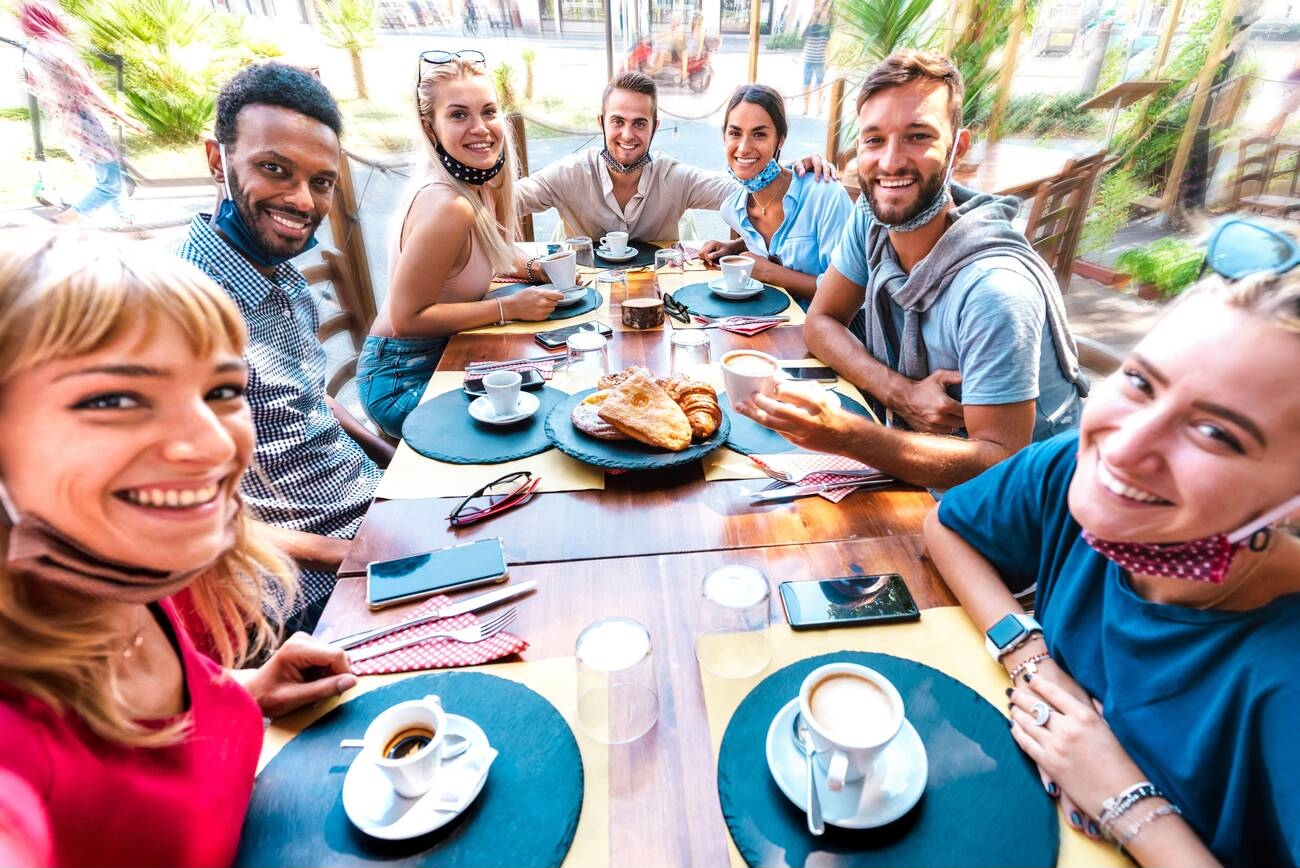
In Britain, the dinner table has traditionally been the setting where the day concludes—a familiar place, a hot beverage, and a piece of conversation. However, contemporary trends indicate a shift, with dishes such as poke bowl rice increasingly replacing traditional roast potatoes, and beverages like iced oat milk matcha supplanting more conventional options.
Bread and spuds have been gently elbowed aside by global grains; tea, once the unquestioned national drink, is having to share (and in some surveys actually losing) its crown to coffee, cold-brew cans and neon-coloured “wellness” drinks. This shift – from mashed potato mountains and white sliced loaves to quinoa bowls and oat-milk flat whites – isn’t just about food. It’s a mirror to how Britain itself is changing. And the ones actually steering the ship? Gen Z, obviously. Generation Z’s eating habits are this glorious, chaotic mix of trying to save the planet, chasing the next viral recipe, and still secretly demolishing a late-night donor kebab when nobody’s looking.
Tea’s fade and coffee’s rise
If one object ever summed up “traditional Britain”, it was the teapot – brown Betty, chipped spout, always half-full on the sideboard. Yet the numbers now tell a different story.
In the 1970s, the average person got through 68 g of tea a week—about 30 tea bags. By 2023, that had halved to 19g, or about 10 bags. Tea sales dipped 4.3% from two years prior, per NielsenIQ, with only 48% drinking it daily. Tea sales volumes have fallen by 4.3% compared with two years ago, according to analysts at NielsenIQ. And a recent survey by Mintel suggested less than half the nation, 48%, now drink tea at least once a day. An analysis of UK consumer data in 2023–24 found that around 63% of Britons drink coffee regularly, compared with about 59% who drink tea.
Younger adults drink both less frequently overall, but coffee is nudging tea aside in the UK’s affections. What implications does this civilizational change entail? When they do drink, they are more likely to choose flavoured, iced or specialised options, such as lattes, matcha, fruit and herbal blends. A 2025 YouGov profile study found that only 11% of Gen Z drink tea daily, and just 8% drink coffee daily, compared with much higher daily usage among Gen X and Baby Boomers. When they do drink hot(ish) things, Generation Z’s eating habits run to pumpkin-spice lattes in October, cherry-blossom matcha in spring, or canned nitro cold brew.
Changing carbohydrate habits
Move from the mug to the plate, and the same story plays out in carbohydrates. Bread – white, sliced, industrial – used to be the default at breakfast and often at tea. Sunday lunch meant roast potatoes; weeknights meant mash or chips. The National Food Survey numbers show how far things have shifted: bread purchases have fallen from 1.6kg per person per week to around half a kilo.
Families are instead buying more rice, pasta, and “other grains” such as couscous and noodles. All these changes are part of a broader “nutrition transition” toward more processed, convenience foods and a more calorie-dense diet. According to research summarised by the World Cancer Research Fund, between 1992 and 2018 British households bought around 50% less tea, 56% less white bread, and 32% less red meat, but 100% more ready meals and 143% more pizza. This shift is tied to a rise in obesity – from just over half of English adults being overweight or obese in 1993 to nearly two-thirds by 2018.
How technology is reshaping modern eating
Changes in eating patterns are also accelerating due to shifts in kitchen technology. In the 1950s, only about 10% of British families owned fridges, and freezers remained rare until the 1970s. By the 1980s, microwaves had entered the scene, boosting the popularity of frozen ready meals. According to a 2024 Good Food Nation study, air fryers are now the third most-used appliance in British kitchens, with 58% of households owning one and about a third of people no longer using a conventional oven.
For students and young renters with tiny kitchens, an air fryer and a microwave may constitute the entire setup, shaping what they buy and how they cook. Chips, nuggets, frozen bits, veg, tofu, chicken thighs, and leftovers all go in. For Gen Z, this convenience now coexists with constant social-media pressure about fitness and ultra-processed foods. Instead of spending two hours roasting potatoes, many opt for quicker options like air-fried harissa chickpeas, freeing time for activities such as creating social media content.
Generation Z’s eating habits as a mirror of social change
Born between 1997 and 2012, Gen Z wields outsized influence and is eyeing 11% of UK retail by 2030. Focusing directly on Generation Z’s eating habits as a mirror of social change makes the generational gap even more obvious.
Over 70% of Gen Zers enjoy finding food content on social media. It aligns with the idea that social media creators and brand pages wield significant influence over what this generation eats. Generation Z’s eating habits lean bold—miso bowls and upcycled snacks made from surplus produce. 65% prioritize nutrition over elders.
Surveys of breakfast choices are particularly revealing. A 2025 study involving 2,000 UK adults found that around 53% of Millennials and 49% of Gen Z had reduced or eliminated their consumption of animal products. They are replacing bacon and sausages with ingredients like avocado, spinach, and plant-based sausages.
Beverage preferences and changing national rituals
Only 11% sip tea daily; 8% drink coffee every day. Instead, 32% pick green tea, 27% fruit infusions—vs. National 20% and 13%.
Among daily coffee drinkers in this age group, 54% say they love lattes, and 40% regularly choose iced coffee. The drink still matters, but the form it takes is very different from the strong black tea with milk their grandparents drank.
In this area too, Generation Z’s eating habits sit between health aspirations and convenience. Many young adults are highly literate about nutrition and climate change; they know about sugar, fibre, food miles, and planetary boundaries. Yet they also live in a world of meal deals, late-night deliveries, and energy drinks.
Social media intensifies both tendencies. Wellness influencers promote berry-based smoothie bowls as markers of health-conscious consumption. At the same time, ultra-processed snacks and viral “TikTok recipes” circulate with comparable speed. For older generations socialised around the communal ritual of preparing and consuming a “proper cup of tea” at home, this increasingly fragmented food and beverage landscape may be perceived as an erosion of shared cultural practices. In contrast, Generation Z regards such plurality as the normative condition. Consequently, the concept of a singular, unifying national beverage has effectively lost its salience.