



From Journalism to Influencers: The UK Government’s Social Media Campaign
The UK government has been using the internet a lot to get its messages across. This approach is often
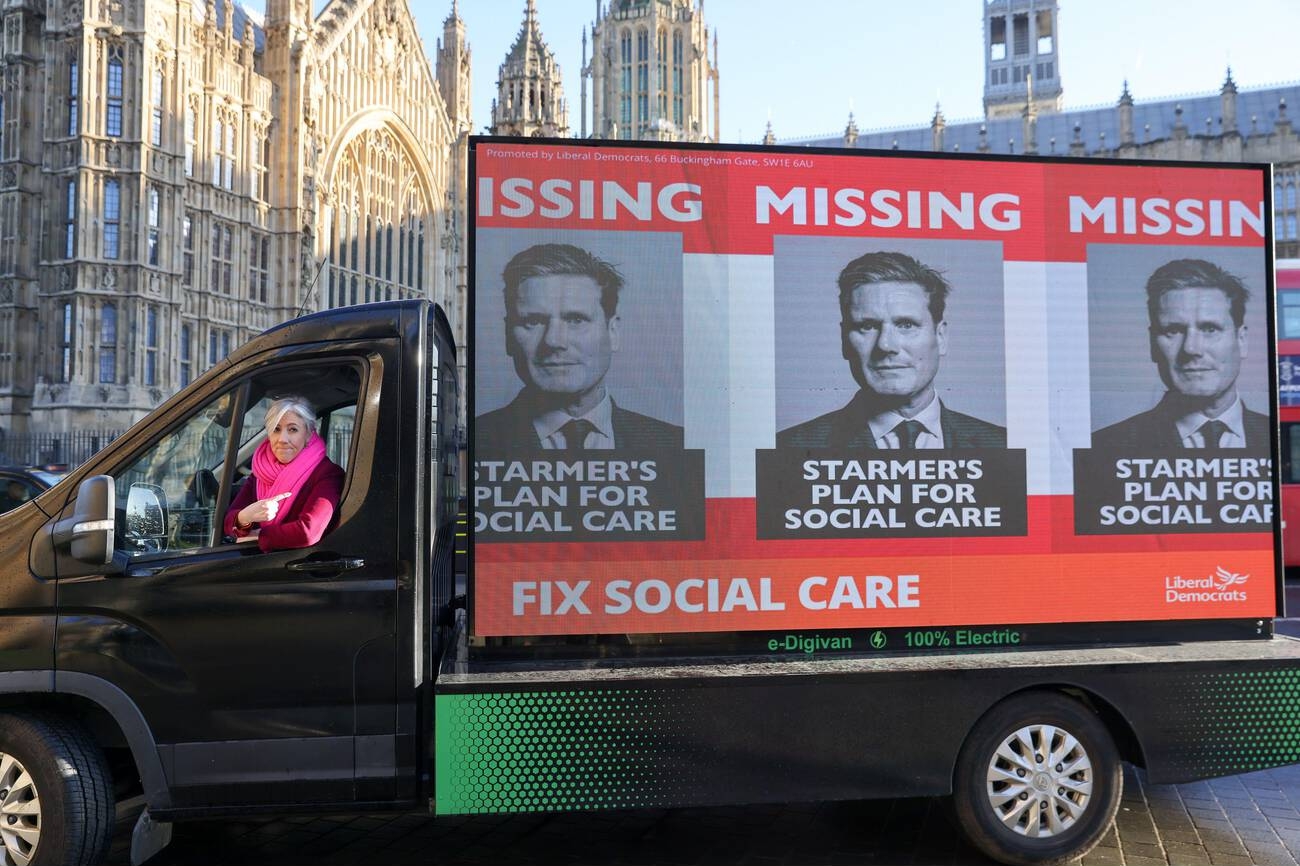
The UK government has been using the internet a lot to get its messages across. This approach is often described as the UK government’s social media campaign. They want to reach people, so they use social media. The UK government has spent over £500,000 on working with media influencers since 2024. They have worked with more than 215 social media influencers to spread important information.
The UK government and these social media influencers have discussed topics such as education, public health, getting a job, and being part of the community. People who like this way of doing things say it is like how we talk to each other. This article examines how the UK government uses social media to communicate with the public and the challenges this approach creates for transparency and trust.
The Growth of Government–Influencer Partnerships
Since 2024, government departments have worked with content creators to reach people with messages. The reports say the government has hired more than 215 online content creators to help with campaigns on education, getting a job, staying healthy, and being a good citizen. The Department for Education spent over £350,000 on content created by online content creators in one year.
The government thinks people trust online content creators, and that is something the government and other old institutions lack. The government wants to use online content creators to reach people because they are popular with young people, and the government is not. TikTok, Instagram, and YouTube are places to send messages that people under 30 can really understand.
Shifting Communication Strategies in Government and the UK Government’s Social Media Campaign
People who like this plan say that governments need to change because that is where people get their information now. Not many people read newspapers, and young adults do not watch the news on television as much as they used to. So digital platforms are where people talk about things. If the people who make policy do not use these platforms, they might not. Heard at all.
People who don’t like this plan say that when influencers send messages, it is hard to tell whether they’re information or just an advertisement. Influencers differ from journalists because they do not have to ask questions about what the government says. They also do not have to make sure the government is doing the thing. This is a worry because when people talk to the public, it only goes one way.
Concerns about Transparency and Accountability
The UK government is being criticized for not being transparent about its social media campaign. This criticism is often directed at the UK government’s social media campaign. When government officials talk to the press, journalists can ask them questions about what they are doing. When the government pays influencers to post, it does not always lead to a genuine discussion.
A lot of these posts do not consider all sides, which can make it hard for people to really understand what is going on. Some people who watch the media are also wondering whether the government is being honest about who’s paying for these posts. The government says influencers have to disclose when they are being paid to post. The UK government’s social media campaign remains a problem due to this lack of transparency.
Impact on Journalism and Public Debate
The UK government is using influencers a lot more now. At the time, they are not talking to the traditional press as much as they used to. Some people think this is a problem because journalists are not able to ask questions when they have fewer opportunities to talk to government officials. The UK government has a social media campaign. It makes it harder for journalists to keep an eye on the government.
This is because the government is only sharing the information it wants to share. Journalists and media organizations are worried that the government is only sharing information. When the government only shares information through the media, it is harder for journalists to ask tough questions. The UK government and influencers are actively reshaping how they share information with the public.
Supporters’ Perspective: Reaching the Unreachable
People who like this strategy say it is based on what’s really happening. These days, younger people get their information from videos, not from the news. So when the government works with people online, it is not trying to control what people think; it is just trying to get its message out. The people who support this strategy also say that when the government wants to tell people how to stay healthy or get a job, it needs to reach many people.
Famous people on the internet can help the government do this because they can reach millions of people in a few hours, making them very useful when the government wants to spread information quickly. The government intends to use these people to help people learn about things, like public health and education, and influencers can make this happen.
Financial and Ethical Considerations
The campaign’s cost is getting a lot of attention. They spent over half a million pounds on influencer partnerships. This has made people wonder whether it is worth the money, especially when finances are tough. The government could spend the money on services rather than on promotional activities. On the one hand, some people say that regular advertising campaigns usually cost much more, and using digital media to reach people might be a better way to get value for the money spent. If the UK government’s social media campaign teams up with online influencers, it could appear misleading to the public. Some people may feel they are being persuaded rather than informed.
Public Trust and the Future of Political Communication
The UK government’s social media campaign is still struggling to build trust with people. People need to trust the UK government’s media campaign. This trust thing is a deal. The UK government’s social media campaign needs to be honest and open with people. If the UK government’s social media campaign teams up with people on social media, it could raise concerns. Some may feel that the government is trying to mislead or manipulate the public.
This could hurt the UK government’s media campaign. Experts think the UK government’s social media campaign needs to find a balance. The UK government’s social media campaign can be held accountable through measures such as press scrutiny and parliamentary debates. The UK government’s social media campaign cannot replace these ways. To keep the public trusting, we need guidelines that everyone can understand.
Communication or Control?
The UK government is using the media a lot now. This is a change in how they talk to people. They can use media to get younger people interested and make their messages sound more modern. There are some problems with this. We need to make sure they are honest and that we can hold them accountable. The UK government’s social media campaign needs to be clear and fair. If it is not, then it will not be good for the country. The UK government’s social media campaign should help people understand what is happening and make informed decisions. If the UK government’s social media campaign changes the way they say things without being honest, then it is not a thing.