

ExxonMobil Scotland plant closure a threat to Scotland’s community
The ExxonMobil Scotland plant is expected to shut in February. The decision puts more than 400 jobs at risk,
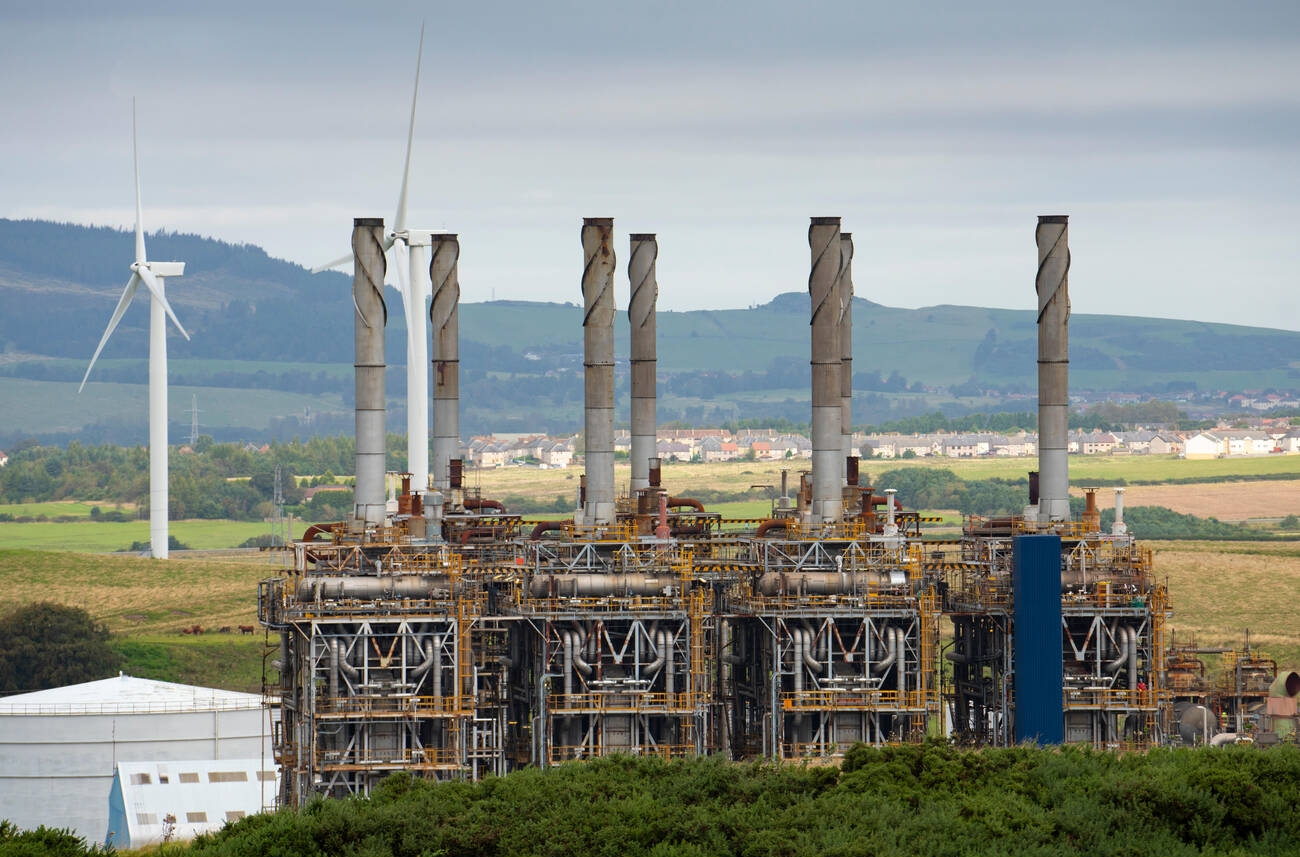
The ExxonMobil Scotland plant is expected to shut in February. The decision puts more than 400 jobs at risk, including 180 staff at the factory and 200 contractors. News spreads quickly in small towns, especially for something as big as this that has been such an integral part of daily life for so many years. When whispers of big changes at the ExxonMobil Scotland plant in Scotland leapt into the public arena, it was as if a single stitch had come loose on a fabric. The unease is obvious. News did not travel slowly—it moved through Fife as bad news tends to do, leaping from doorstep to workplace to café table. Some people heard it from a neighbor, while others learned about it through a quick phone call. This article examines the potential impact of changes at the ExxonMobil Scotland plant on Scotland’s community, economy, and industrial future.
The Emotional Impact of the ExxonMobil Scotland plant on the Community
People heard rumours that parts of the plant might close. The news affected them more deeply than a typical business announcement would. Individuals spoke with emotions not usually seen in economic discussions at the ExxonMobil Scotland plant. Their voices were thick with concern, and they paused for a long time before answering questions about “what may happen.” Parents would briefly lock eyes with their children during conversations, reflecting the uncertainty.
Unequal Treatment Across the UK
The Scottish Government has tried to point out that plants in other parts of the UK receive faster support. They have noticed that Westminster often acts more quickly when those industries face difficulties. This is how Fife residents felt, too. Some people have even started wondering if the UK government treats Scotland fairly. They question whether decisions about livelihoods receive the same attention here as in England. To many, it felt like familiar ground.
The Scots raise their concerns and receive a promise to consider them, yet weeks pass without any real clarity. People don’t need miracles; all they need is for things to remain unchanged to some extent. People in certain regions feel they must shout to make their concerns heard. This makes it difficult for them to trust that everyone is treated fairly. This perception resurfaced once again during the discussion surrounding the ExxonMobil Scotland plant.
Stability Required in Industries, yet Policies Continue to Change
At first, just like before, Scottish leaders disagreed with ExxonMobil’s explanation. The company had said the current economic climate was one of the reasons for this move. Those industries that require overall planning simply cannot invest if overall policy continues to shift every few years, they argued. Industries need predictability to carry out smooth business operations. This predictability or stability requires clear energy policies and environmental rules for industries. It also depends on reliable taxation policies and trustworthy regulations to ensure long-term business success. Without predictability or stability, industries will postpone their improvements or expansion plans. Some may even quietly move to new locations because of the surrounding uncertainty and instability.
Effects on Suppliers and Training Programs
All these processes have consequences for suppliers and contractors, who must continue to carry out their tasks successfully despite uncertainty. Suppliers often remain unsure about their performance for an entire year due to unpredictable events affecting industries worldwide. Similarly, colleges offering training programs for industrial workers face difficulty deciding how to prepare new trainees for future opportunities. This uncertainty makes planning for skills development, workforce growth, and local industrial support increasingly complicated.
Local Communities Seeking New Opportunities
In light of the announcement that the Mossmorran chemical site in Fife will be closed, local authorities and community leaders have emphasized the need to seek new economic directions beyond the petrochemical industry. There has been interest in renewable energy, green technology, and other small-scale innovation projects from groups around the region. Programs are also focused on providing training and skills enhancement for workers who will be impacted by the closure. Policymakers and organizations note that long-term industrial stability in Scotland is based not just on short-term support but also on investment in alternative industries. The uncertainty surrounding the future of the plant has reiterated the call to be led by the local community in shaping economic opportunities for this region.
Cooperation or Another Cycle of Frustration?
Analysts and local representatives suggest that if both levels of government cooperate by combining resources, coordinating a just‑transition plan, retraining workers, and investing in alternative industries, they could ease the impact of the shutdown. However, existing tensions, differing priorities, and slow responses raise doubts about whether such cooperation will occur in time.
the UK Government described the shutdown as a commercial decision. It argues that ongoing losses and global market conditions made the site unsustainable. The UK administration claims that it wants the best for Scotland. However, its approach to the crisis at ExxonMobil’s Mossmorran chemical plant will cause economic problems in Scotland. The Scottish Government has called the closure decision a devastating blow to local jobs and the economy and pledged support for affected workers and communities.
A Turning Point for Scotland’s Industrial Future
What Fife is facing right now is not just an industrial development project. It is mainly about control, trust, and the future structure of Scotland’s economy, MacLennan explains. Every new development adds to the concerns of families, workers, and local businesses, who want to know what is happening. Families also want clear signs that someone is actively guiding the situation. Whatever happens to the ExxonMobil Scotland plant will push Scotland to consider more deeply whether it should decide its own industrial destiny or continue waiting for others to do it.