
United Ireland Debate: Why Border Poll Probability Is Becoming a Political Problem for Britain
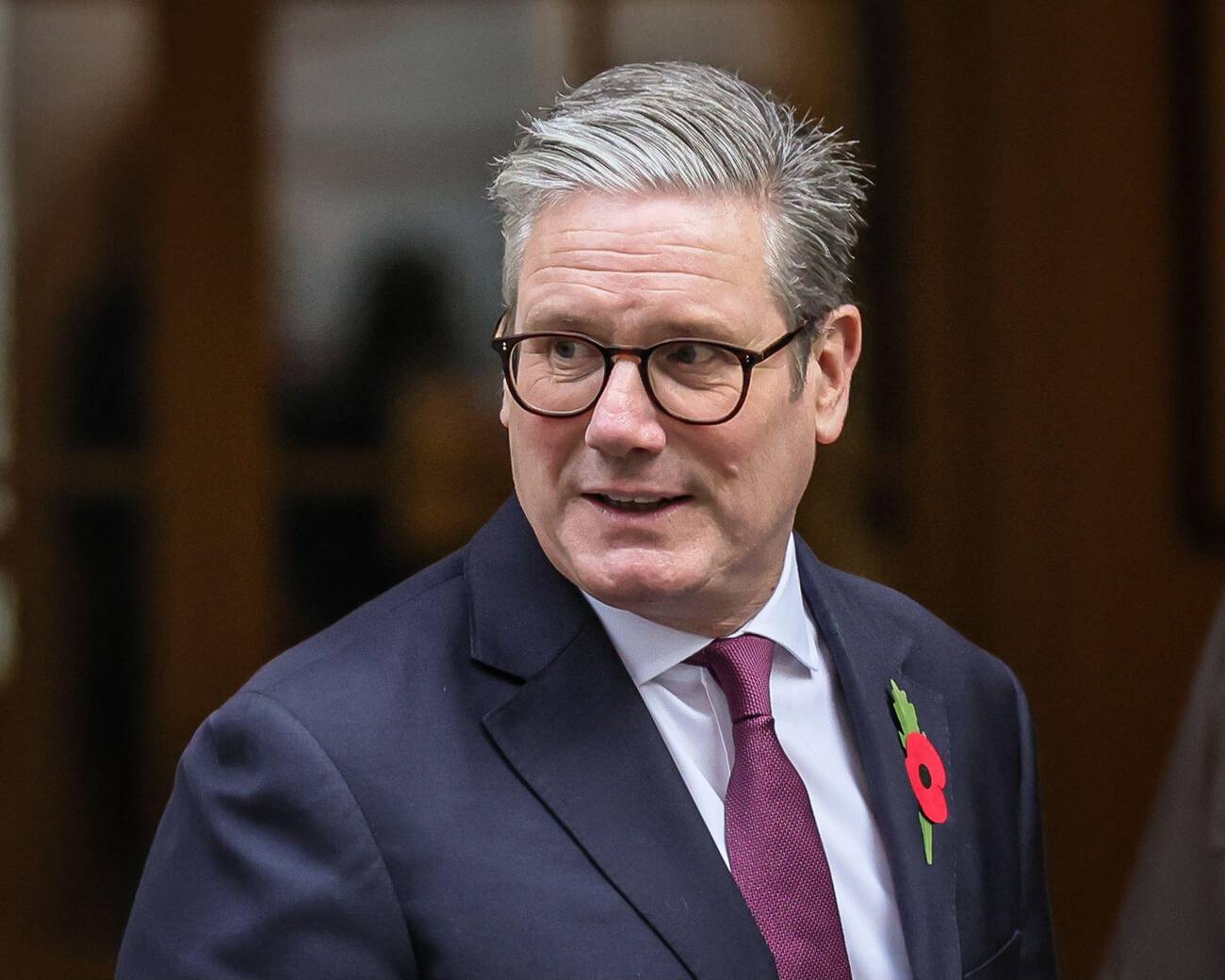
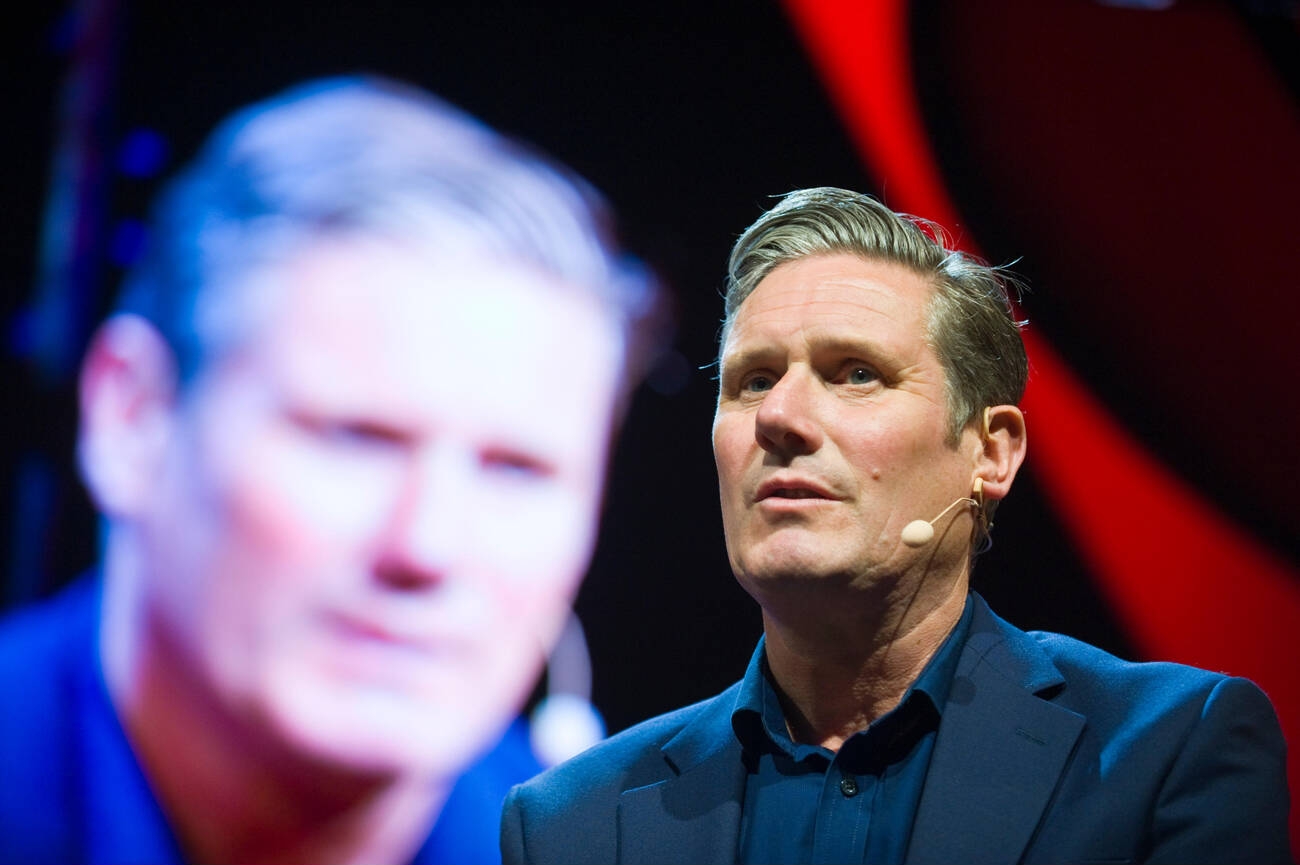
Recent remarks by the British Prime Minister Andy Burnham regarding the future of Northern Ireland have re-opened the issue
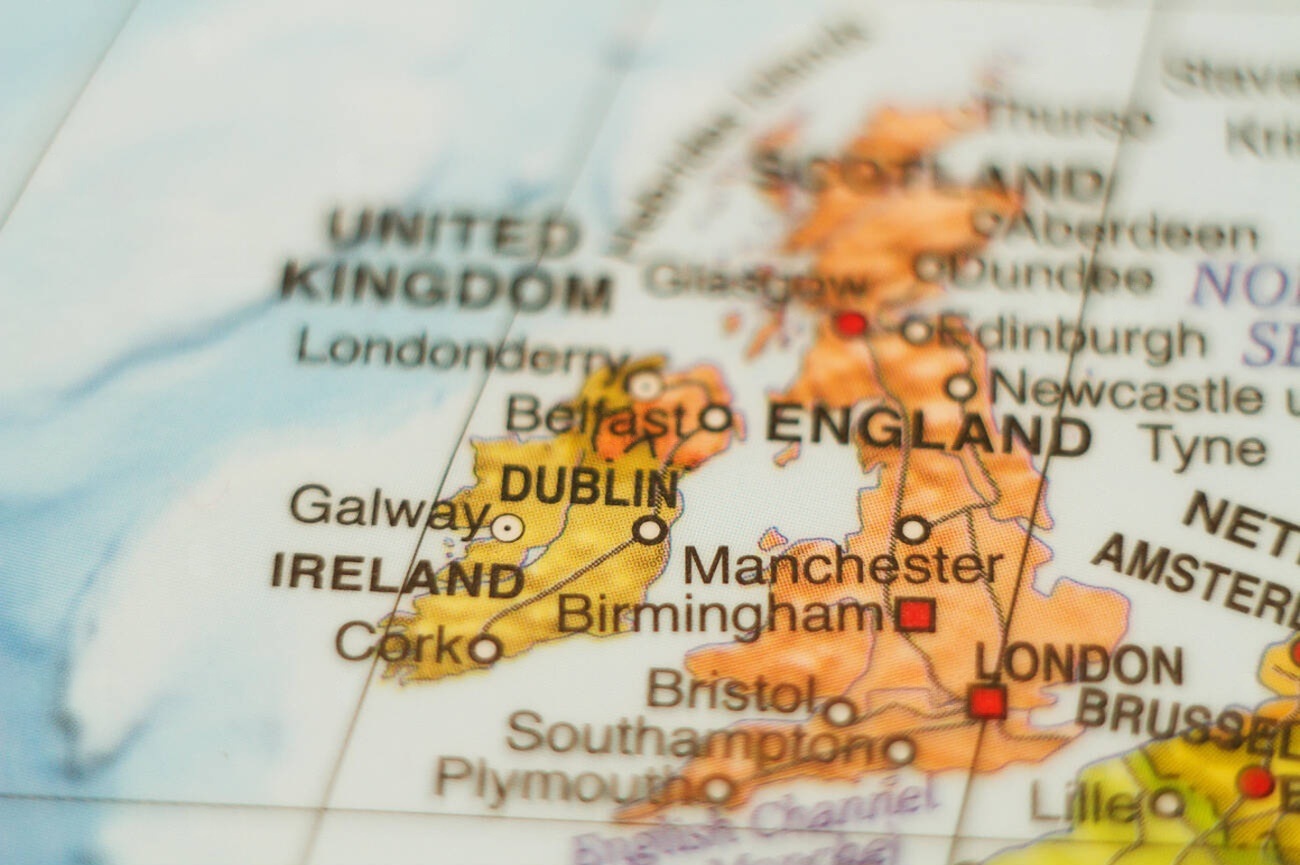
Recent remarks by the British Prime Minister Andy Burnham regarding the future of Northern Ireland have re-opened the issue of one of the most controversial debates in the UK. In his very first trip to Northern Ireland, Burnham stated that a referendum on the unification of Ireland was “off the table” because the government had to concentrate on bringing people together and resolving current issues. These statements immediately gave rise to various political responses. Opponents emphasise that, according to the Good Friday Agreement, such a referendum cannot be taken off the table. This paper discusses why the question of United Ireland is relevant today and the reason why Border poll probability has turned into a serious political problem for Britain.
Irish Partition’s Historical Background
Historical background to the issue of the Irish division dates back to the early twentieth century. Following the war for independence between 1919 and 1921 and the signing of the Anglo-Irish Treaty in 1921, British and Irish leaders divided the island of Ireland.
British and Irish political leaders created the Irish Free State in the southern parts of the island. They kept Northern Ireland within the UK, where Protestants formed the majority of the population.
From the very start, there were many nationalists in Ireland who found the division intolerable. This led to years of political trouble and even violence. The most violent period was the one when troubles raged between 1968 and 1998.
The Good Friday Agreement and the Principle of Consent
The Good Friday Agreement has transformed the political landscape of Northern Ireland. The agreement put an end to most armed conflicts and introduced the notion of agreement in the process of decision making.
According to the Good Friday Agreement, Northern Ireland should stay within the framework of the UK unless a majority of people in Northern Ireland agree to opt out of the UK in a referendum.
This principle continues to play a central role in the ongoing discussions. According to Irish unity supporters, the right to referendums was introduced by the agreement. Unionists see no justification for referendums under existing conditions.
United Ireland and the Changing Political Environment
The political environment has evolved quite a lot over the past few years. The Brexit process became one of the main determinants of attitudes in Northern Ireland.
The discussion on the status of Northern Ireland in relation to the EU gave rise to debates on constitutional matters. The attitude to the idea of United Ireland has improved compared to the previous years. Nevertheless, it still falls short of an absolute majority.
Some polls show that there was a growth in the level of support for unity from 27% to about 35-37% after the Brexit process. Changes in the demographic structure and strengthening of the influence of Sinn Féin have played their part in debates on constitutional issues. Yet, support for unity is still insufficient for a referendum to be held successfully.
Border Poll Probability and Political Uncertainties
The issue of Border poll probability has become one of the most disputed topics among London, Belfast, and Dublin. The fact is that a Border poll will not be held automatically if some political party asks for it.
The Good Friday Agreement established the principle of consent, while the Northern Ireland Act 1998 gives the Secretary of State for Northern Ireland responsibility for calling a border poll when it appears likely that a majority would support constitutional change.
The government must assess the possibility of such support before calling a referendum. It is evident that the task becomes difficult for British governments since they need to combine the commitments they made under the peace agreement and the political expectations. The statements of Burnham show that the London administration does not view the referendum as urgent.
Lessons to Learn from German Unification
A few specialists have drawn comparisons between a possible unification of Ireland and the situation of German reunification. The view is that unity is not only a constitutional arrangement but needs considerable economic planning and reorientation.
Creating a United Ireland would pose numerous challenges relating to issues of public service provision, tax arrangements, healthcare provision, welfare schemes and economic management.
The case of Germany has indicated that political consensus does not resolve all the practical challenges involved. It will call for considerable planning and cooperation of the governments concerned. In other words, even if the support for unity rises, it would still take time to come about.
Changes in Demographics and Politics
Demographic trends have been an important factor in reshaping political discourse in Northern Ireland. For many years, the unionist population represented a distinct majority.
Population trends have altered the dynamics between unionist and nationalist identities. Additionally, the political influence of Sinn Féin has been growing both in Northern Ireland and the Republic of Ireland. The party has been advocating the foundation of a United Ireland and has claimed that preparations for a future vote need to start.
Nonetheless, demographic trends do not necessarily translate into constitutional shifts. Many voters take into consideration not only politics but the economy as well.
Difficult Political Situation in London
The UK government finds itself in a difficult political situation. On the one hand, the British government wants to maintain stability and avoid reopening the conflicts that created divisions in the past. On the other hand, it must follow the democratic principles that the Good Friday Agreement established.
In his analysis, Burnham chooses to emphasise cooperation and current social issues over constitutional problems. Some analysts suggest that ignoring this problem might increase frustration among people who support a referendum.
For the UK, the task is to remain neutral and get ready for potential political changes in the future. The Border poll probability will remain an important factor in future political discussions.
Irish Unity as a Process and Not an Event
Irish unity will likely come in a very gradual way. While political decisions are important, they do not necessarily result in social agreement. Other factors such as economic planning, public trust, and cooperation are important too.
Thus, the idea of the United Ireland is not just about redrawing boundaries. It also involves the creation of structures that could help individuals adapt in a new political arrangement.
Irish Unity Debate Is No Longer Irrelevant for Britain
It is evident from Andy Burnham’s statements that the issue of Irish unity is still a very sensitive one for the UK. While a referendum does not seem like an imminent step, the debate is growing more heated due to Brexit, demographic shifts, and political changes.
The future Border poll probability will depend on a number of things, such as public opinion, political leadership, and the economic situation. Unification will probably be gradual and dependent on people’s will. And London will have to yield to the will of the people of Northern Ireland.