


UK manufacturing crisis and high energy prices in the UK
The UK has been at the forefront of industry and production. The Industrial Revolution was in Britain, and it
The UK has been at the forefront of industry and production. The Industrial Revolution was in Britain, and it changed manufacturing across the world. Factories in automotive, aerospace, medicines, and food industries still lead in exports and innovations. The manufacturing industry accounts for almost 45% of the UK’s total exports, and it also supports millions of jobs. However, with the situation being like this, the UK manufacturing crisis is a major concern for policymakers and business persons. High operational costs, international competition, and interruptions in supply chains compromise small and large-scale firms, and High energy prices in the UK have become one of the main challenges for manufacturers. There is now uncertainty among many companies as to future investments and expansion. This article deals with causes, risks and possible solutions regarding modern industrial crises in Britain.
Manufacturing Output and Economic Contribution
Manufacturing still forms a critical foundation of the British economy. The Office for National Statistics reported that the sector generated sales of about £452 billion in 2024. However, this figure registered a decline compared to the previous year. Output levels recorded marginal negative growth by late 2025. These signs attest to the depth of the UK’s manufacturing crisis, eliciting concern from investors.
Industrial productivity is decreasing, with some factories operating below their full output capacities. The problem affects multinational and smaller regional suppliers. At the same time, there is uneven global demand, so achieving a recovery is difficult for export-oriented businesses.
UK Manufacturing Crisis and Industrial Pressure
UK manufacturing crisis has left many regions with few industrial employers. Hence, when there is a disruption, its effects are felt in these areas first. High energy prices in the UK have added to these pressures and made production less competitive than in competing economies. They are now conducting supply chain reviews and opting for relocating infrastructures. Business leaders warn that continued decline weakens innovation capacity and drains economic resilience in the long term.
Energy Costs and Competitiveness Challenges
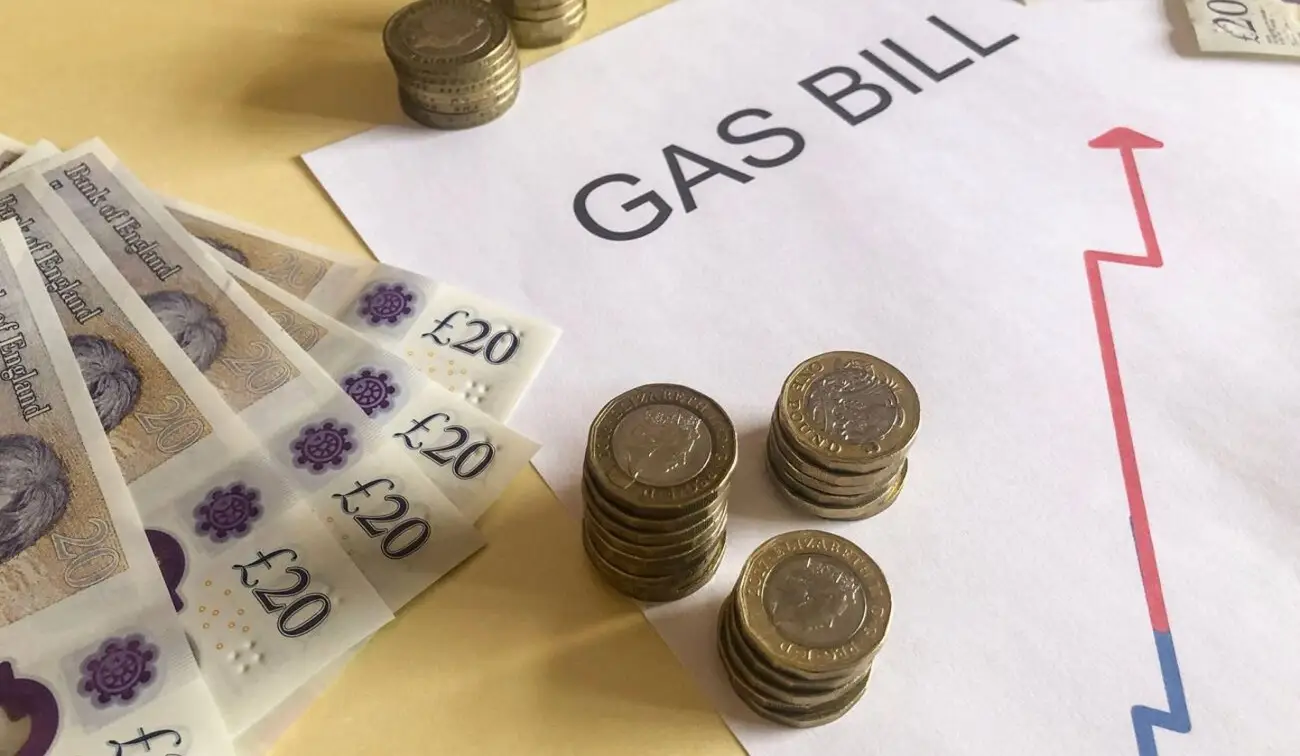
Energy costs are the most pressing problem for the industry. Reports from the Confederation of British Industry, Energy UK, and Make UK indicate that electricity and gas costs continue to be significantly higher compared to other G7 economies. According to some assessments, the industrial energy bills are higher than two-thirds of the average bills in competitor nations.
This situation deepens the UK manufacturing crisis while limiting profit margins. Many firms say that High energy prices in the UK hamper their capital expenditures on automation, workforce training, and sustainability upgrades.
Investment Decline and Business Uncertainty amid High Energy Prices in the UK
The energy shock that followed the geopolitical tensions led to a general rise in costs across Europe, but the effect was more noticeable among British manufacturers. This has seen nearly 90 percent of firms reporting very high energy costs, and some 40 percent of firms trimming down investment plans. These figures show how Industrial decisions are directly impacted by High energy prices in the UK. Smaller manufacturers are the most vulnerable due to a lack of long-term energy supply contracts. The UK manufacturing crisis today, therefore, has caused liquidity problems for vulnerable firms.
Factory Closures and Relocation Risks
Warnings from industry groups and coverage in the media are still calling attention to the potential consequences. Analyses published by The Guardian and Reuters indicate that persistent cost pressures may result in factory closures and job losses. Executives cite that high prices of energy in the UK cause an uneven competitive environment against international rivals.
This issue worsens the UK manufacturing crisis worse, and increases the risk that companies will move their operations abroad. De-industrialisation of the economy may result if production moves overseas because supply chains are undermined, and there could be more regional inequality. The long-term consequence can go beyond manufacturing to research and development activities.
Labour Market and Social Impact
The labour market shows the consequences of the present industrial crisis. Output reduction in factories means loss of purchasing power and tax revenues in local economies. Thus, the UK manufacturing crisis has social consequences as well as economic ones. The younger labour force may be unwilling to pursue industrial career paths where job security is doubtful. Meanwhile, high energy prices in the UK force companies to stop hiring employees or postpone wage increases. Such a pattern is likely to worsen existing skill shortages and delay the sector’s adoption of new technologies.
Global Competition and Productivity Pressure
Global competitiveness is another issue to watch. For instance, Germany, the United States, and South Korea invest much more in manufacturing industries and energy subsidies. The high energy prices in the UK weaken export competitiveness and limit pricing flexibility. As a result, the UK manufacturing crisis is likely to damage Britain’s credibility as a production base. Some multinational companies already review the location of future projects. Coordinated policy and infrastructure improvements are essential for maintaining industrial attractiveness.
Government policy and industrial support
Government intervention is considered necessary for the stability of the industry. Industry leaders are demanding subsidies, support for rising energy costs, and faster investment in infrastructure for renewables. Lower dependence on the unstable gas market could reduce high energy prices in the UK in the coming days. At the same time, strategic tax incentives could persuade businesses to increase production capacity in the domestic market rather than offshore production facilities elsewhere. The government must improve transport infrastructure, digital connectivity, and training infrastructure to overcome the manufacturing crisis.
Innovation and future opportunities
There is a chance for a new beginning despite the prevailing difficulties in the industry. Many British manufacturers are global leaders in robotics, clean tech, and aerospace engineering. If the government brings energy costs under control, the industry can gather momentum again. There could be new opportunities for the industry through collaboration with universities and new businesses. However, the prevailing high energy prices in the UK could slow down innovation and new investment in green technologies. There is a need for urgent intervention from the government to overcome the UK manufacturing crisis.
Protecting UK Manufacturing’s Future
The industrial legacy of the UK continues to be a source of economic strength, but current issues necessitate immediate action. A critical moment for the sector is indicated by rising costs, declining output, and uncertainty surrounding investment. Both structural changes and current energy pressures that jeopardise competitiveness are reflected in the UK manufacturing crisis.
Offshoring, factory closures, and job losses could increase in the absence of strong policy support. Important steps toward recovery include lowering the UK’s high energy prices, strengthening infrastructure, and promoting innovation. Future expansion, regional stability, and technological leadership all depend on the protection of manufacturing.