North Sea Offshore Wind Power: Europe’s Strategy to End Fossil Fuel Dependence
These days, there has been significant development in Europe’s energy sector, centered on the North Sea. Ministers and certain
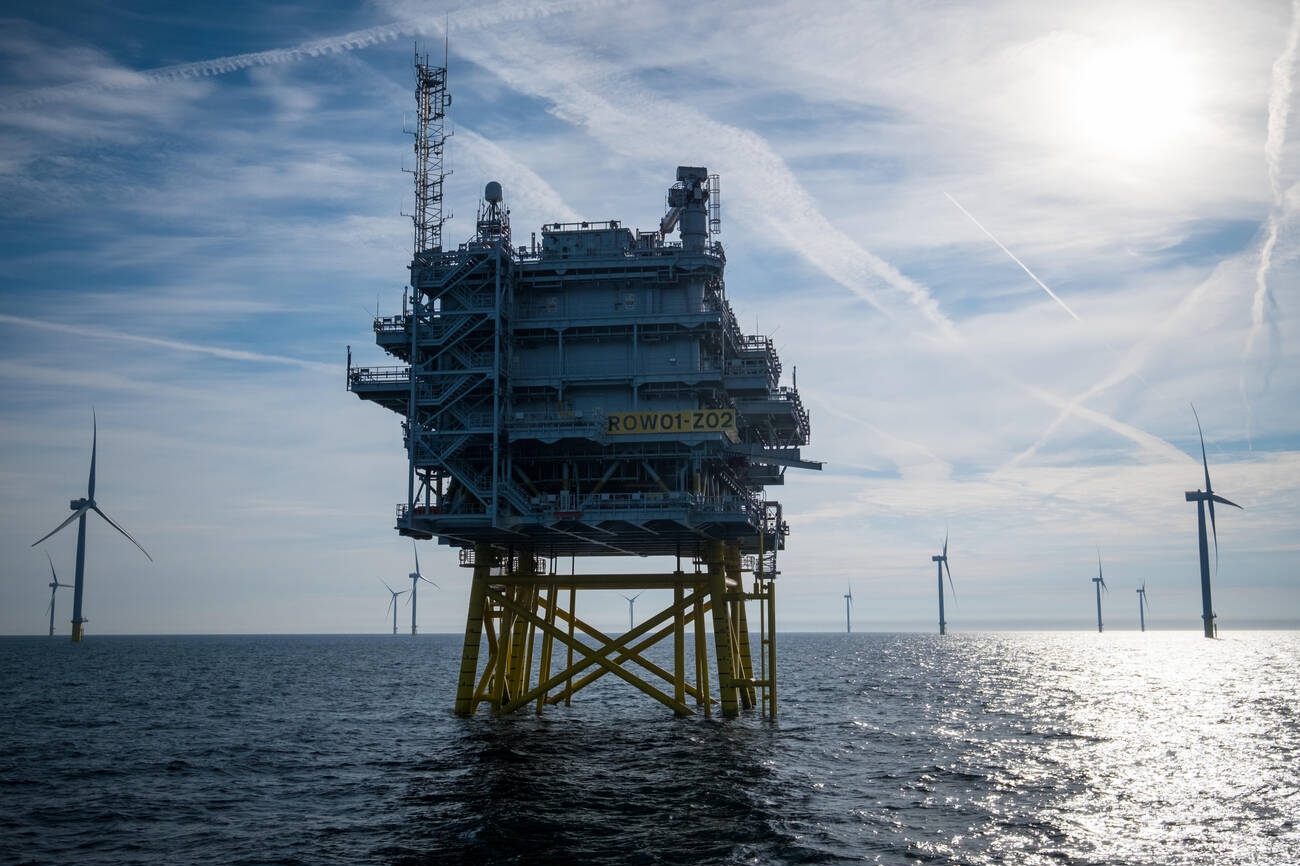
These days, there has been significant development in Europe’s energy sector, centered on the North Sea. Ministers and certain heads of government from ten countries convened in Hamburg on January 26, 2026. They executed a document that is now referred to as the Hamburg Declaration. The ten countries have reached an agreement to pursue up to 100 GW of offshore wind power by 2050.
What makes this plan unusual is that some of the wind farms won’t feed electricity into just one country’s grid. Instead, they’ll use shared undersea cables to send power to two or more nations at the same time — something that hasn’t really been done before on this scale. The project is part of a wider push to reach 300 GW of capacity by 2050. In many ways, the Hamburg agreement grew out of the turmoil that followed Russia’s war in Ukraine, which triggered sudden energy shortages across Europe. Prices surged, and a sense of energy insecurity spread throughout the continent.
The Hamburg Declaration: Really Pushing North Sea Offshore Wind Forward
European and UK Heads of State and Energy Ministers, as well as representatives of the European Commission and NATO, convened on 26 January 2026 for the third North Sea Summit in Hamburg.
The Hamburg Declaration unites Belgium, Denmark, France, Germany, Iceland, Ireland, Luxembourg, the Netherlands, Norway, and the UK.
Hamburg’s events were significant. These nations are dedicated to developing offshore wind in the North Sea, with a capacity of up to 100 GW. This amount of clean power is sufficient to power approximately 143 million homes.
The scale we’re talking about here is huge. The plan aims to add 15 GW of new capacity each year, reaching up to 300 GW by 2050, with tens of thousands of installed turbines.
Simultaneously, grid companies, or TSOs, must expedite the process and secure a minimum of 20 GW of feasible cross-border projects by 2027. In this manner, the construction process can commence in the 2030s.
This event is a significant turning point in Europe’s transition away from fossil fuels. It is expected to significantly reduce emissions, reduce our dependence on questionable imports, and finally give the continent the authority to regulate its own energy supplies, rather than perpetually responding to global market fluctuations.
A key feature is the concept of “hybrid assets.” These are offshore wind farms that connect to multiple countries’ grids. They use multi-purpose interconnectors (MPIs) to allow power to flow across borders. This makes better use of cables and platforms, reducing coastline clutter. It also allows countries to share surplus power when wind conditions vary.
Why the North Sea Really Works So Well for Offshore Wind Power
The North Sea has everything needed for massive offshore wind power. It has strong, steady winds most of the year. The water isn’t too deep, so fixed-bottom turbines are cost-effective.
Right now, heading into 2026, Europe as a whole has about 37 GW of offshore wind up and running, that’s more than 6,000 turbines spinning away. The North Sea accounts for the lion’s share of it. The UK ranks second, with almost 16 GW already generating power and plenty more farms under construction or ready to go.
Security and the Environmental Legacy of the North Sea
There’s more in the mix, too: they’re looking to ramp up offshore renewable hydrogen (producing green H₂ right at sea using wind power), and everyone’s talking a lot about beefing up security around all this new infrastructure. With everything going on geopolitically these days, nobody wants to leave critical cables or platforms vulnerable to sabotage or interference.
Oil and gas extraction in the North Sea is responsible for more than 9% of historical global greenhouse gas emissions, according to climate nonprofit 350.org, citing Oil Change International.
“Transforming the North Sea into a renewable energy hub would not erase that damage, but it could begin to correct it,” said Clémence Dubois, the group’s campaign manager.
Closer cooperation between countries may also help protect conservation areas, according to Felix Schmidt, policy adviser for WWF Germany.
“At the moment, biodiversity doesn’t have the priority in marine-protected areas in the North Sea, given the numerous economic uses that continue to take place within these areas,” he said.
Big Investments and Real Economic Wins from North Sea Offshore Wind Power
One of the coolest parts of the Hamburg Declaration is the Joint Offshore Wind Power Investment Pact. The offshore wind industry has pledged to invest €9.5 billion ($11.3 billion) in its supply chain by 2030.
The goal is to reduce the cost of offshore wind power by 30% by 2040. This will be achieved through larger, smarter projects, cheaper loans, and industrialized processes.
The industry, in return, pledges cost reductions and 91,000 additional jobs, and generates €1tn in economic activity.
Energy Security
A lot of what’s driving this big North Sea offshore wind power push comes straight from the shocks we’ve seen lately: Russia’s illegal war of aggression against Ukraine, and the ensuing energy crisis.
Leaders keep saying the same thing: this is about escaping the “fossil fuel rollercoaster“; Those wild ups and downs in prices that hit households and businesses hard.
Ed Miliband was pretty direct at the Hamburg signing. “We’re standing up for our national interest by driving for clean energy, which can get the UK off the fossil fuel rollercoaster; Also, give us energy sovereignty and abundance,” says UK Energy Secretary Ed Miliband.
“After our record renewables auction, we went further today by signing a clean energy security pact. With European allies to ensure we maximise the clean energy potential for the North Sea.”
In Germany, the ministers talk more about locking in industrial jobs for the long haul, and also, breaking their dependence on suppliers outside Europe.
Concerns Over Interconnectors and Electricity Exports
Cross-border wind projects in the new pact aim to balance supply when wind conditions vary between countries. They will also reduce the frequency of turbine shutdowns due to grid congestion and, ideally, lower long-term bills.
However, interconnectors have proved controversial in Norway. The concern is that too many exports could lead to higher prices or shortages when reservoirs are low. To prevent this, governments have introduced strict new rules banning electricity exports when domestic supply could be at risk.
That’s also why you’ve got NATO and the European Commission right there at the summit table. With tensions high and worries about sabotage or interference in undersea infrastructure growing, everyone’s stressing that these new cables and wind farms need serious protection.