

Why Homelessness Is Rising Among Ukrainian Refugees in the UK, An Interview with Harley Schlanger
Many Ukrainian refugees who came to the UK for safety are now struggling to find a place to live.
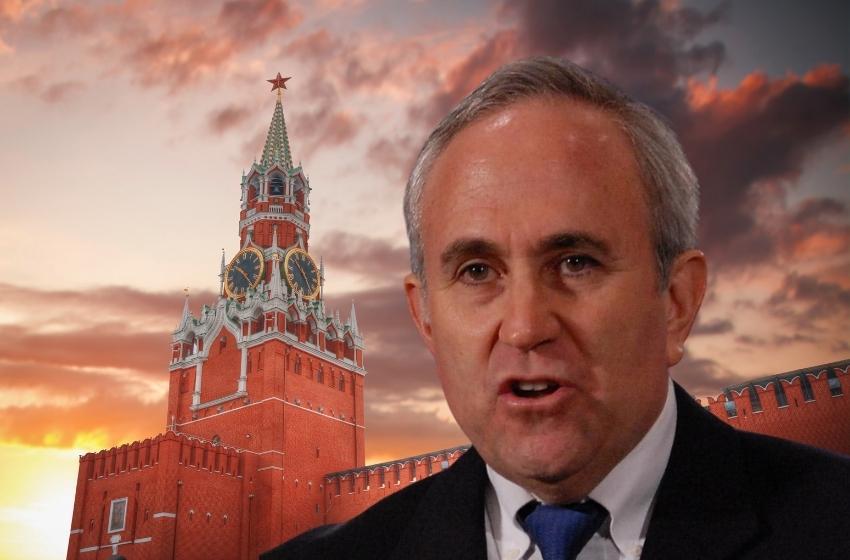
Many Ukrainian refugees who came to the UK for safety are now struggling to find a place to live. Rising costs, a shortage of affordable housing, and sponsorships that don’t last long enough are pushing more families into homelessness. In this interview, Harley Schlanger from the International Schiller Institute explains why current government support isn’t keeping up with the needs of refugees — and what changes could help protect them from ending up without a home.
1-What do you see as the main drivers se in homelessness among Ukrainian refugees in the UK?
There are many reasons for rising homeless rates among Ukrainian refugees, but two principle causes. The first one is the overall decline in the UK economy:
The government lacks funds to address the multiplicity of problems facing a refugee population, including overcoming language difficulties, different skill sets making gainful employment hard to find, cultural differences, etc. But don’t overlook the demoralization among refugees who were told they would be repatriated as soon as Putin’s army is defeated.
Studies show many of the refugees believed they would soon be able to return home, and postponed taking advantage of government aid which was available.
2- How have government policies—such as the Homes for Ukraine scheme and local authority funding— helped or failed to prevent homelessness among visa holders?
Despite government propaganda which underestimates the weakness of the economy, there is simply not enough funds to address the problems facing refugees. The UK agencies responsible for refugee services have acknowledged shortages of funds, as the number of homeless families are increasing.
At the end of July 2024, there were more than 260,000 Ukrainians with visas and as many as 4,800 families homeless, and that number expected to grow of both the total number of refugees and those who are homeless.
Government employees in social service programs assigned to address homelessness admitted they are frustrated by lack of funds and the refusal adopt innovative approaches to the problems.
3- To what extent is the UK’s wider housing shortage contributing to the vulnerability of Ukrainian families, compared to other groups in the population?
Lack of decent affordable housing is one part of the shrinkage of the UK economy which adds to the homeless crisis. There are only two sectors adding wealth in the UK; the Military-Industrial complex, which includes Big Tech; and the City of London speculative finance sector.
Neither of these produce a surplus which can be used to build the housing sector, except for the military and financial cartel bosses, who can afford luxury housing. As far as I could discover, the plans to add “affordable housing are woefully inadequate compared to need.
4-What are the most common reasons that sponsorship arrangements break down, and how could the system better support hosts and Ukrainian guests long-term?
Stop funding the anti-Russian NATO war which drains tax revenue from necessary physical economic expenditure. Putin will not attack Europe, unless NATO provokes him. Not only will this leave more revenue to help those in most dire need, such as refugees from war, but will also lessen the flow of immigrants who are seeking to escape the disasters of war.
5- How well are local councils, charities, and community organizations equipped to respond to the housing needs of Ukrainian arrivals?
Many churches, charities and community organizations are engaged in commendable services, but this cannot replace the role of the state. But the state is in the hands of war hawks and speculators who see their class more deserving of aid, such as tax relief and subsidies, than those who are poor. Without such private sector aid, the situation would be much more hopeless.
6- What practical policy changes or reforms would you recommend to reduce homelessness risk for Ukrainian refugees and improve long-term integration?
A February 2025 report, “Still at Risk: Homelessness among Displaced Ukrainians in the UK” said the present dynamic will worsen, with more immigrants coming in — both legal and illegal — and with a smaller base of resources to aid them.
Again, it should be obvious: STOP REGIME CHANGE WARS, such as Syria, Libya, Ukraine, Iran, etc., which the British establishment is committed to continue, and the flow of poor, desperate immigrants will slow down.
Second, instead of a new Cold War mentality, which on saw in BoJo and Sunak among the Tories, and now Starmer with his “Charge of the Light Brigade” mentality, work with the nations of the Global South for real economic development.
Homeless Ukrainians should not be seen as a burden, but as a responsibility, to be treated well and with dignity, while ending the war.