
Britain’s Waste Crisis: Government Blind to Illegal Waste Sites
Britain’s waste crisis needs severe attention. Thousands of landfill sites are present in floodplains in the UK and other
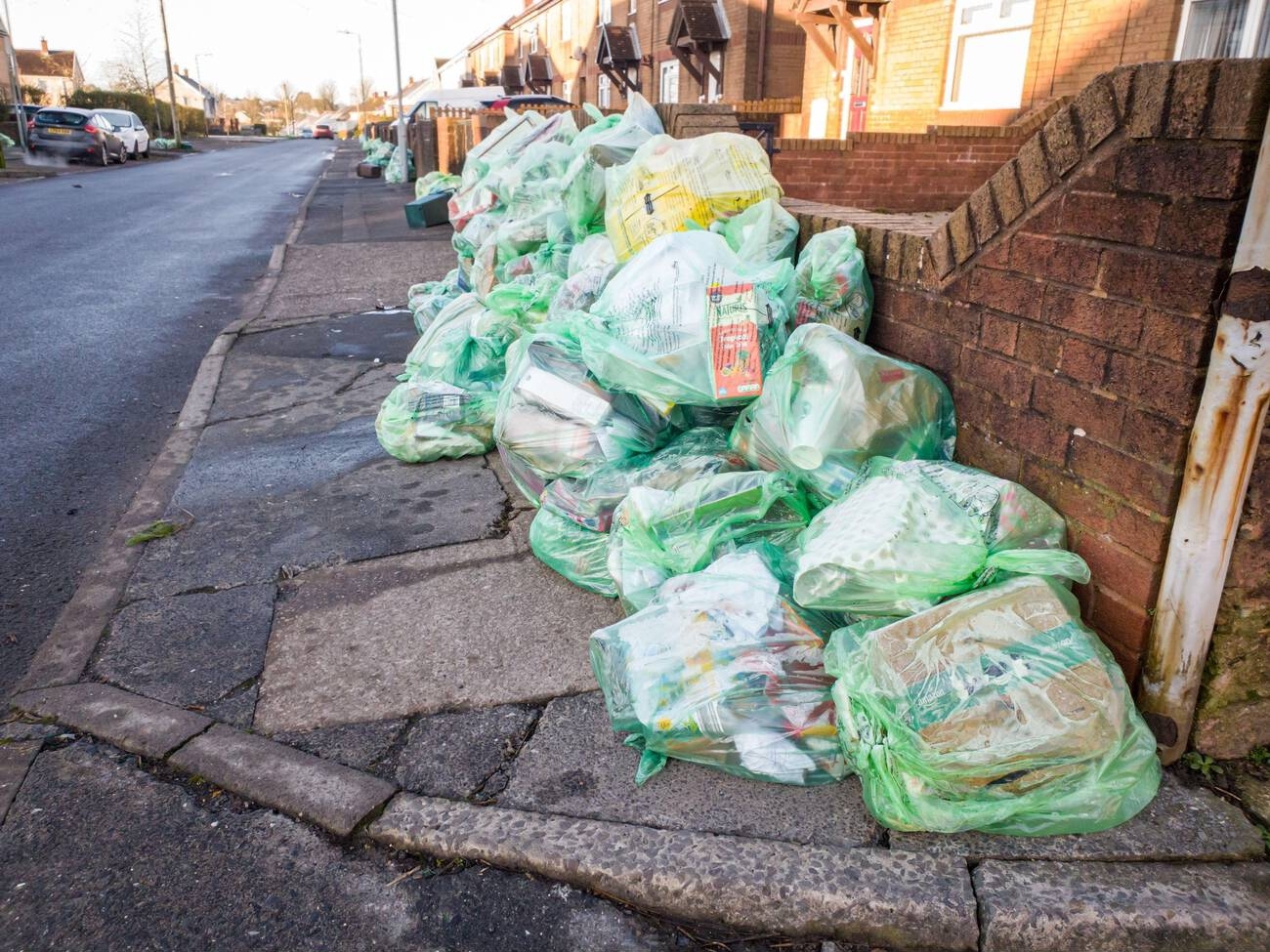
Britain’s waste crisis needs severe attention. Thousands of landfill sites are present in floodplains in the UK and other parts of Europe. Toxic substances in rivers, soils, and ecosystems threaten potential conservation areas and even drinking water.
There are at least 8,000 illicit landfill sites in the UK. They contain almost 13 million tons of waste. In 2024-2025, Environment Agency (EA) in England closed 743 illegal landfill sites. However, the data from waste investigations reported 1,143 live fly-tipping cases. Environmental experts highlight that costs are only the tip of the iceberg.
Britain’s Waste Crisis: A Threat to Drinking Water
Britain’s Waste Crisis is tied with the landfills. Thousands of landfill sites are present in floodplains in the UK and other parts of Europe. Toxic waste in rivers, soils, and ecosystems poses a potential threat to drinking water and conservation areas. The findings are the result of the first continent-wide landfill mapping. The Guardian, Watershed Investigations, and Investigate Europe conducted the research.
Patrick Byrne, of Liverpool John Moores University, said: “With increasing frequency and magnitudes of floods and erosion from climate change, there’s a greater risk of these wastes washing into our environment. “This includes physical waste like plastics and building materials, but also toxic metals and chemicals such as PFAS [‘forever chemicals’] and PCBs [polychlorinated biphenyls].”
Rotten Egg Odour: People Suffering in the UK
“I just kept smelling this horrible, nasty smell … like animal excrement, and I was wondering what it was,” says Jess Brown, from Fleetwood, Lancashire. Brown’s mother suffers from chronic obstructive pulmonary disease, and she believes the smells make it worse. She also worries for her eight-year-old daughter, whose asthma worsens when the smell gets into the house. The stench comes from the Jameson Road landfill. Transwaste Recycling & Aggregates Limited reopened it in late 2023, after the previous owners, Suez, stopped accepting waste in 2017.
The Environment Agency says that when inactive landfills are reopened, they release gases. One of the gases is hydrogen sulphide, releasing a “rotten egg” odour. Thousands of odour complaints led to a ban on hydrogen sulphide emissions in April 2024.The complaints were about health problems, including respiratory and eye irritation, as well as neurological and cardiovascular effects. These were associated with various illnesses, including respiratory, eye, and nervous system problems, as well as cardiovascular problems.
Britain’s Waste Crisis: Tip of the Iceberg
Britain’s waste crisis requires serious attention. In the UK, water companies undertake risk assessments and monitor their public water abstractions in accordance with regulatory guidelines. Landfills that are most visibly at risk of exposure are those along the coast. The analysis found 346 landfills in coastal erosion zones in England, Wales, and France. In addition, it found 258 landfills across Europe within 200 metres of the coast, which could be at risk of erosion or exposure from storm surges.
“This is the tip of the iceberg,” said Spencer. She is helping the Department for Environment, Food and Rural Affairs (Defra). They want to rank the highest-risk landfills out of 1,200 identified priority sites in England and Wales. She tested two eroding landfills on the coast and found Lynemouth in the north-east released elevated concentrations of arsenic, and Lyme Regis in the south-west discharged high levels of lead, both of which could cause ecological harm.
Illegal Waste Dumping: the UK Organized Crime
Britain’s Waste Crisis includes illegal waste dumping as a significant problem. Europol has identified it as one of Europe’s fastest-growing areas of organised crime. In February, Croatian authorities arrested 13 people suspected of illegally dumping at least 35,000 tonnes of waste from Italy, Slovenia, and Germany in Croatia, generating a profit of at least €4 million for the criminals.
Environment Agency data in England shows 137 open investigations into illegal dumps, involving more than 1 million cubic metres of material. In England and Wales, at the current pace of use, our remaining landfill capacity could run out in about 2050. New sites often face environmental concerns and public opposition.
Illegal Waste Sites: No Control, No Stop
The UK has at least 8,000 illegal waste sites containing almost 13 million tonnes of rubbish, research has revealed. The scale of the criminal dumping means at least £1.63bn of landfill taxes have been avoided. In fact, it is according to an analysis of data from the satellite company Air & Space Evidence, shared with the Guardian and Watershed Investigations. “The major concern is that, by avoiding landfill tax, they also bypass the regulations that control what can go into landfill and that protect people and the environment,” said Prof Kate Spencer, a landfill expert at Queen Mary University of London. “We have illegal waste sites in Essex that regularly catch fire with the potential to harm local air quality and human health.”
Illegal Sites in the UK: Environment Agency Ignores
Researchers produced the UK figures by examining satellite imagery from multiple locations—including London, Brussels, Bucharest and parts of New Zealand—and then used those findings to project likely nationwide totals.
Researchers used detailed satellite images of London, Brussels and Bucharest to estimate the number of sites in the UK. Moreover, they used the estimate to model the average number of sites nationwide. The figure of 8,000 sites is at the lower end of the estimate; the researchers found there could be as many as 13,000. The high estimated number of illegal sites suggests the authorities are only scratching the surface of the crisis. In 2024-2025, the Environment Agency (EA) shut down 743 illegal waste sites in England, and its waste investigations data showed 1,143 ongoing cases of illegal dumping.
If the Environment Agency finds more illegal waste sites, then they feel they will have to do something about them. So, they would rather not know.Air & Space Evidence reports that authorities in New Zealand tested its detection tool, and law enforcement confirmed waste at all 125 suspected landfill sites—58% of which were previously unknown. Despite the scale and seriousness of the crimes raised by the members of the public in many cases, we have found multiple failings by the Environment Agency and other agencies, from slow responses to repeated public reports (as in the case of Hoad’s Wood, Kent), through to a woeful lack of successful convictions.
Waste Crisis: More Serious than Just Revenue
Environmental specialists warn that the consequences extend far beyond lost revenue. Prof Kate Spencer of Queen Mary University of London said that communities living beside such sites feel the impact daily. There’s nothing to stop pollutants from being washed into nearby rivers or soils. Evidently, illegal waste disposal can create a big concern for local communities. They produce smells, eyesores, and litter.