


A Critical Assessment of UK Nuclear Energy Policy, Regulation, and Development
Historically, the UK has been a leader in nuclear energy, with the first nuclear power station being commissioned as
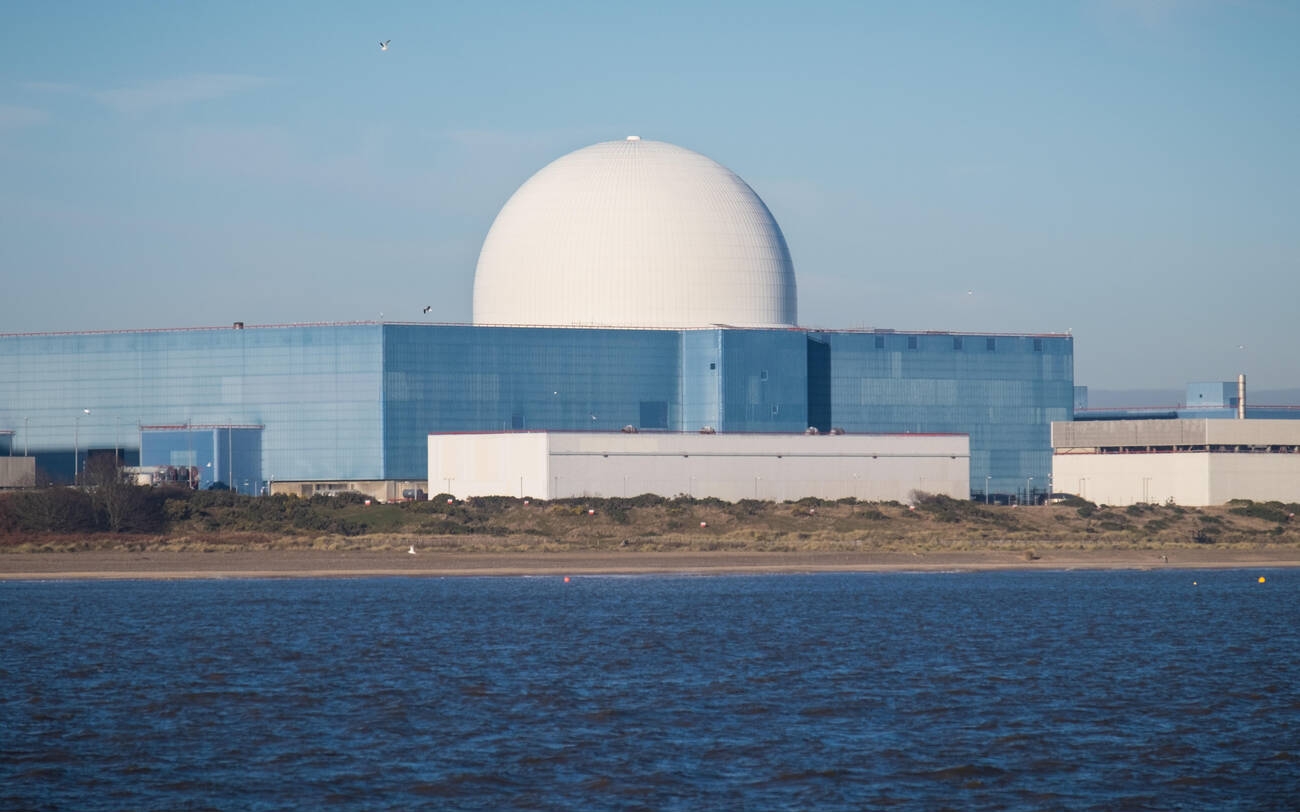
Historically, the UK has been a leader in nuclear energy, with the first nuclear power station being commissioned as early as 1956. Since then, the UK has remained at the cutting edge of nuclear energy research and development, making many contributions to the field as a whole. Nevertheless, the UK is currently facing many challenges in developing new nuclear power stations. Red tape, regulations, and other factors associated with the development of UK Nuclear Energy have driven the cost of creating such stations to skyrocket. This report will highlight the many issues related to nuclear energy in the UK. It will also address the challenges associated with nuclear energy.
Historical Role of UK Nuclear Energy
The UK’s nuclear program has existed for more than six decades. It was the first country in the world to commission a commercial nuclear reactor. The Atomic Energy Authority, established in the 1950s, was instrumental in shaping the global nuclear industry. Over the last century, the UK has consistently been at the forefront of nuclear research. Many significant events marked this period, including the construction of AGR (Advanced Gas-cooled Reactor) designs. These were soon followed by the development of pressurized water reactors, which are still widely used today. The UK’s nuclear energy program faced some difficulties. The pace of new reactor designs was slower, and costs associated with expansion continued to rise. But the use of nuclear energy was always highlighted as a priority component in the energy program.
Contemporary Issues Surrounding Nuclear Energy in the UK
Recently, the establishment of new nuclear facilities in the UK has faced many challenges. One of the main reasons for this slow pace is that nuclear technology is associated with many bureaucratic issues. Projects involving nuclear technology are often caught up in bureaucracy, so many years elapse before they are completed. Although bureaucracy related to nuclear technology was necessary for environmental sustainability, its impact has significantly increased costs. There is no doubt that the UK government takes nuclear safety seriously. However, the measures taken to achieve this objective led to project delays and rising costs. Currently, the main challenge in establishing new nuclear facilities in the UK is the cost. Other energy sources, such as natural gas, wind, and solar, are cheaper.
The Cost of Nuclear Power in the UK
One of the most pressing issues the UK nuclear industry is currently facing is the cost of constructing new nuclear reactors. The 2025 report reveals that building a new nuclear reactor in the UK presently costs the most in the world. According to this report, the UK has the most expensive nuclear reactor construction costs globally. The slow approval processes and reliance on foreign services contribute to the high costs. Additionally, inflation is adding further difficulties, with many projects remaining on hold. Thus, this would indicate that the UK nuclear industry is lagging behind other nations that can afford to build new nuclear reactors.
Future of Nuclear Power in the UK
Despite the above challenges, nuclear power is a critical component of the UK’s nuclear energy future. Nuclear electricity is a low-carbon energy source that will significantly contribute to meeting the UK’s climate goals, such as achieving net-zero carbon emissions by 2050. Nuclear power provides a constant source of electricity that complements other weather-dependent renewable energy sources, such as wind and solar. Although the cost of nuclear electricity production is higher, the UK Government understands the strategic value of a balanced energy mix with nuclear energy as one component. However, there is a pressing need to simplify the approval process that will minimize costs.
Role of Small Modular Reactors (SMRs)
A solution that might address some of the nuclear issues facing the UK is the development of Small Modular Reactors (SMRs). Small Modular Reactors (SMRs) are flexible and modular. They offer a more cost-effective construction option than traditional nuclear reactors. SMRs would effectively meet the UK’s nuclear requirements. They provide a cost-effective alternative to the conventional large reactors previously associated with nuclear power. At the moment, the UK Government views SMRs as a crucial component of its nuclear program, with many companies developing prototypes of these reactors. With such technology, the UK will be able to address some issues associated with large nuclear reactors, such as high costs.
The Environmental and Economic Benefits of Nuclear Energy
Apart from its role in mitigating carbon emissions, nuclear energy offers other advantages for the UK. Nuclear energy is a reliable source of electricity, providing base-load power that is imperative to the UK’s energy security. Nuclear energy is not intermittent, as with wind and sunlight, because it can generate power day and night regardless of weather conditions. This is essential, as nuclear energy will form the backbone of other renewable energy sources if the UK wishes to meet its entire energy requirements. Moreover, nuclear energy creates high-quality jobs for the people of the UK through the construction, operation, and maintenance of these projects. Also, technological development related to nuclear technology may be spurred by the establishment of nuclear projects.
The Political and Regulatory Roadblocks
Although many recognize the importance of UK nuclear energy for energy diversification, regulatory barriers remain a major hindrance. As mentioned earlier, regulatory issues in UK nuclear energy are among the key reasons for delays and cost increases. Indeed, the approval stage for new investment takes considerable time and involves multiple government departments, such as BEIS and the Office for Nuclear Regulation (ONR). Of course, assessing new schemes for achieving higher levels of safety and environmental protection may take time. However, political resistance, most notably from environmental movements, might worsen this scenario.
Preface: The Context of Finance
To achieve more widespread adoption of nuclear energy and reduce associated costs, the UK must modernize its regulatory system. This modernization is essential for making nuclear energy more competitive and efficient. Easing the regulatory requirements for the approval system will help reduce costs. This will also enable nuclear facilities to be constructed more quickly. Improving the long-term regulatory environment for nuclear energy would increase investor confidence. Currently, the UK Government has established measures such as the Nuclear Energy (Financing) Bill and a task force on regulation. However, the UK nuclear energy program must take further action if it hopes to remain competitive in the global industry.
Future Direction for Nuclear Power in the UK
The UK has a strong history of nuclear innovation and remains a leader in nuclear research. However, it still faces many obstacles in establishing new nuclear facilities. These difficulties, including cost, regulatory, and political challenges, must be addressed. Only then can nuclear energy remain a vital component of the UK’s energy future. Nuclear energy provides a constant, low-carbon fuel source. Together with other alternative fuel sources, it will help the UK meet its climate requirements. With easier regulations, more focus on the development of Small Modular Reactors, and further nuclear innovation, the UK will ensure that nuclear energy remains a vital component of its nuclear energy landscape for decades to come. Although the path forward may be difficult, there is absolutely no doubt that nuclear energy will remain a defining force in the UK nuclear landscape.