




Understanding the Disappearance of Child Asylum Seekers in the UK Immigration Crisis
The UK immigration crisis shows a disquieting reality that even when under official care, children who arrive all alone
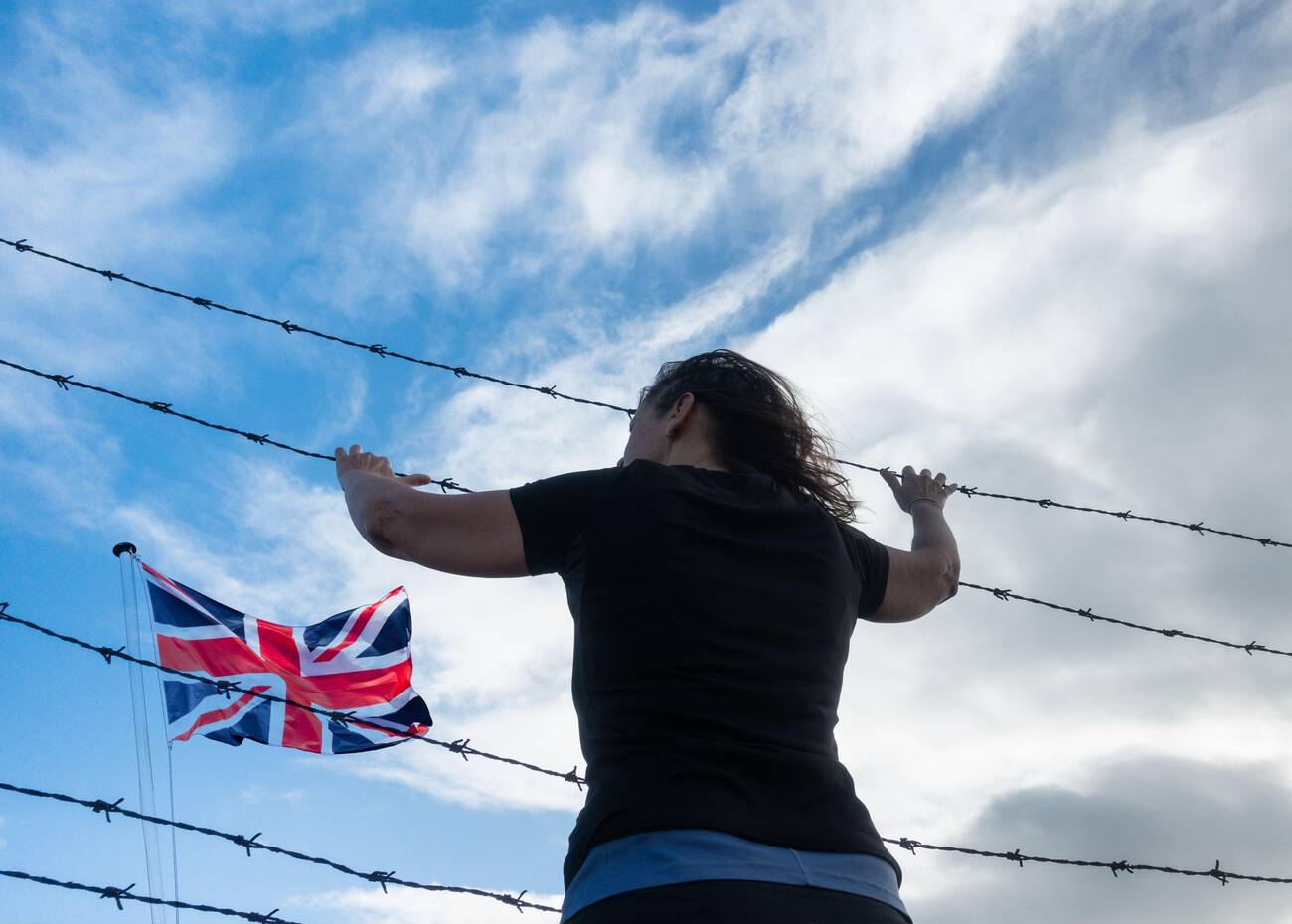
The UK immigration crisis shows a disquieting reality that even when under official care, children who arrive all alone in Britain are sometimes at risk. The children who come to Britain dream of safety, protection, and guidance, yet some vanish from government facilities. In recent years, dozens of children have gone missing in Kent. Experts say human traffickers may be responsible for some of the missing children. Missing children have included ones from Afghanistan, Albania, and Iran, among others. Weak supervision, limited international attention, and inconsistent reception conditions pose significant risks. This article examines why these children go missing, the common patterns behind such incidents, and what measures might help increase their safety and well-being.
Kent: The First Stop
Unaccompanied minors often arrive first in Kent, and the county has repeatedly recorded children going missing within days or weeks after placement in temporary care. Many will have traveled alone for days or weeks, risking unsafe transport, perilous border crossings, and exploitation en route. Without family, friends, or guidance, they are exceptionally vulnerable. Temporary accommodation, often in hotels or hostels, provides the first stop for such children. Weak monitoring, staff shortages, and inconsistent enforcement allow children to leave care without being noticed. The first weeks most definitely present a critical period. Minors who are not well cared for and closely monitored during that period could easily disappear, further exacerbating the immigration crisis in the UK.
Overview Challenges
Government agencies are responsible for protecting these children, but they have repeatedly failed to fulfill this responsibility. Staff often keep incomplete records, work under heavy workloads, and provide minimal follow-up. Sometimes, staff do not update records promptly when children leave a care facility, which makes it difficult to locate them quickly and efficiently. These breakdowns in monitoring leave children vulnerable to trafficking, exploitation, and other forms of abuse. International agencies have also been behind the curve in putting pressure on authorities to take concrete action to ameliorate the system of care. Thus, the immigration crisis in the UK is not only a policy issue but also a growing humanitarian crisis. Authorities need to implement stronger monitoring, maintain clear records, and report promptly to prevent harm to children.
Threats by Traffickers
Children who arrive alone are particularly at risk of traffickers. Traffickers usually target unaccompanied minors because these children lack a support network. Traffickers promise to provide work, shelter, or to reunite the child with family abroad, but in most cases, these promises are false. Children often trust traffickers, which can lead traffickers to force them into labor or sexual exploitation. Separated minors fall victim because they have absolutely no one to advocate for them. Suspicious disappearances of children in their dozens prove that it is not all a statistical idea in the UK immigration crisis, but real human suffering. Any effective action against traffickers requires both monitoring and prevention programs.
Patterns in Disappearances
Several trends are reflected in the available data. Many children disappear shortly after they arrive in temporary homes. Some individuals do this voluntarily, often as a result of poor living conditions or a sense of isolation. Traffickers persuade many through false promises. Afghan, Albanian, and Iranian children make up a considerable percentage of the victims. Worse still, repeated incidents suggest that local tracking systems may not be effective. Overworked personnel, temporary facilities, and a lack of reporting all exacerbate the problem. Taking measures that help ensure stronger supervision and implementing policies coordinated among different agencies can only help prevent disappearances and improve results, especially during the UK immigration crisis.
International Governance
These have been less acknowledged and acted upon by relevant international organizations. UN agencies and child protection groups have voiced concern, yet authorities have taken little action to enforce regulations or improve oversight. NGOs report on abuses and keep counts of disappearances, while official monitoring is usually scant. The general lack of global attention allows the problem to persist. More international oversight would go a long way toward ensuring children’s safety, even as national authorities are primarily responsible for this task. Agencies enhance protection for unaccompanied minors by conducting transparent reporting, performing independent reviews, and coordinating audits to ensure accountability and transparency.
Practical Steps to Reduce Risks
Concrete measures can improve child safety. Each placement must be accompanied by a risk assessment and daily welfare checks until a stable plan is in place. Authorities will establish rapid alert mechanisms to respond immediately when a child goes missing. Workers need training on trauma, child development, and identification of exploitation. Schools, health services, and local charities can further strengthen these efforts through active partnerships. Not having specific numbers does not detract from the fact that repeated reports of missing children indicate a continuing problem. Policies have to deal with both the prevention of disappearance and the support of already missing children. These steps will go a long way in mitigating risks associated with the UK immigration crisis.
Mental Health and Trauma Support
Most of these unaccompanied children arrive in the country having suffered violence, persecution, or extreme poverty. Without professional psychological help, they are very likely to run away from care or be in hazardous situations. Counseling, safe spaces, structured routines, and educational activities can replace feelings of safety and stability for children. From a child’s perspective, physical safety is just one component; emotional and psychological needs must also be met for the environment to be considered safe. If comprehensive mental health services were implemented for all facilities, this could reduce disappearances and help children recover from trauma. Therefore, addressing mental health will be an important response to the UK immigration crisis and possible vulnerability.
Community Involvement
Local communities also play a very important role in protecting children. Additional monitoring and support are provided by schools, charities, volunteers, and neighbors. Community programs can provide safe spaces and quick avenues for reporting if a child disappears. Local engagement strengthens systems and builds trust between authorities and children. Children who are supported and less isolated are less likely to fade. Active community engagement is one very practical method through which disappearances can be prevented and the risks associated with the UK immigration crisis can be addressed.
Evidence and Scale
Although exact numbers are hard to come by, there have been reports that dozens of children have gone missing from Kent alone, while hundreds of unaccompanied minors have disappeared across the country in the last few years. These numbers are indicative of the magnitude of the problem and the failures in care that occur more broadly. Each missing child represents a failure of protection and serious jeopardy. Precise data is vital for understanding risk, framing policy, and supporting advocacy. Each disappearance needs to be understood as a structural failure if responses to the UK immigration crisis are to succeed.
Addressing the Human Cost of the UK Immigration Crisis
The UK immigration crisis is leaving unaccompanied child asylum seekers incredibly vulnerable. Many have disappeared, and there are countless others facing risks associated with exploitation, trafficking, and abuse. Governments have shown patchy oversight, and international pressure has been low. Absent reforms in supervision, mental health support, and community engagement, disappearances will continue. Protection of unaccompanied minors is both a moral, legal, and social imperative; ensuring the safety of such children must always be the first order of business in all efforts to address the UK immigration crisis. It is only through concerted, practical steps that this self-perpetuating cycle of disappearances and exploitation can be broken.