
Keir Starmer’s Gambit to Regain Top Spot at Labour Annual Conference 2025 __An Interview with Stephen Sizer
At the 2025 Labour Annual Conference, Keir Starmer ’s strategy appears less a genuine policy revolution and more a
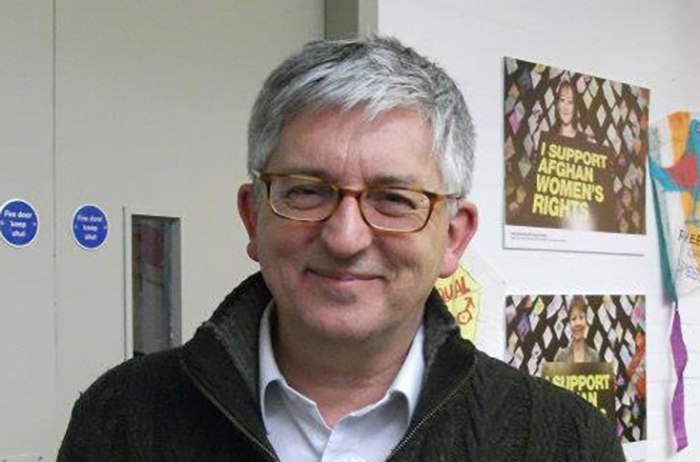
At the 2025 Labour Annual Conference, Keir Starmer ’s strategy appears less a genuine policy revolution and more a calculated rebranding effort to manage internal dissent and declining poll numbers. According to Dr. Stephen Sizer, Founder of the Peace Maker Trust, Starmer’s cautious leadership style, fiscal challenges, and reluctance to tackle divisive issues such as immigration and protest laws risk deepening Labour’s internal rifts while failing to counter the rise of populist movements like Reform UK. With growing pressure from the party’s left and figures like Andy Burnham, Starmer’s gamble may determine not just Labour’s electoral fortunes — but its very unity and relevance in a rapidly shifting political landscape.
1. To what extent does Starmer’s conference strategy reflect a genuine policy shift versus a tactical rebranding to manage internal dissent and polling pressure?
Precisely the latter. Starmer and the Labour party are unpopular and behind Your Party, the Greens, and Reform in the polls. There’s no sign that his conference strategy is about a genuine transformation of policy — it’s more about recalibrating his image to hold off growing dissent within the party and manage the increasing pressure from both the left and right.
Labour’s current position in the polls makes it clear that Starmer needs to show movement, even if that movement is more about optics and trying to win back lost ground rather than pushing a radical policy agenda.
2. Given Labour’s current economic promises, how credible are Starmer’s pledges in light of fiscal constraints, inflation, and IMF warnings about the UK economy?
Don’t know, I’m not an economist, but they are projecting a deficit that will require unpopular tax rises. The challenge for Starmer is that, while Labour’s promises may sound appealing, the reality is that the economic situation is bleak.
Inflation is still high, and the IMF’s warnings about the UK’s economy create a difficult backdrop for any government. The fiscal constraints are going to force Labour to make tough decisions, and that means higher taxes or austerity measures, which will inevitably lead to significant pushback from voters and possibly from within the party itself.
3. How significant is the internal pressure from figures like Andy Burnham and the Labour left — and could this gambit backfire by widening factional divisions?
It depends on how many jump ship and join Corbyn and Your Party. Burnham and other figures on the left are raising valid concerns, and their influence could become a real problem if Starmer’s approach alienates too many within the party. If a significant number of Labour’s core left-wing supporters, or even moderate members, decide they’ve had enough, it could open the door for a splintering of Labour’s vote.
The risk is that some of these disgruntled figures might align with Corbyn’s ideas or even defect to new parties like Your Party, which could make Labour’s task of winning back power even more difficult.
4. With Reform UK gaining traction and public trust in major parties declining, is Starmer’s current messaging strong enough to counter populist narratives?
No. He is a cautious plodder, not a charismatic leader. Starmer’s approach might win him some support from centrist voters, but it’s far from the sort of bold, dynamic leadership that can challenge the populist rhetoric coming from Reform UK and others. The country is craving change, and Starmer’s cautious nature simply isn’t cutting through. In an era of growing disillusionment with traditional politics, Starmer doesn’t have the fire or the energy to counter the populist narratives effectively. Reform UK’s ability to capitalize on this could very well further marginalize Labour’s appeal.
5. In terms of public perception, does Starmer come across as a transformational leader — or more of a crisis manager trying to hold Labour together?
A safe pair of hands for the Zionist lobby. When it comes to public perception, Starmer doesn’t appear as a transformational figure — he’s largely seen as someone who is managing Labour through a difficult period rather than driving a new vision for the country.
His focus seems more on maintaining stability within the party and keeping the various factions from completely unraveling. This doesn’t lend itself to the kind of bold leadership people are looking for. And the perception of him as someone in line with specific interest groups doesn’t help when trying to broaden his appeal.
6. What risks does Starmer face by avoiding controversial positions on key issues like immigration, protest laws, and trans rights — and could this ‘cautious’ approach hurt Labour’s activist base?
Populism and nationalism are being exploited by Reform and the Tories. Blaming external factors such as immigrants is an easy win. Starmer wants to appear tough, but it’s a lose-lose because he cannot appease the factions in the Labour Party, even though he has expelled much of the left wing. By steering clear of controversial issues, Starmer risks alienating the Labour activist base, who are often more passionate about these issues.
The polls already show that Labour and the Conservatives are trailing parties like Your Party, Reform, and the Greens, despite the latter having fewer MPs. Starmer’s reluctance to engage directly with these issues means Labour is failing to build momentum, and his strategy to delay a General Election in hopes of a political turnaround might not work if he continues to avoid taking a clear stance on these contentious issues.